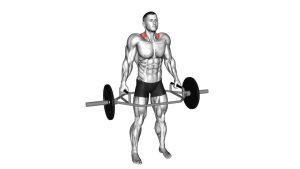
Barbell Upright Row: Proper Form, Muscles Worked, Sets, Tips & FAQ
Learn how to do the Barbell Upright Row with proper form to target the side delts and upper traps. Includes setup, step-by-step execution, sets and reps by goal, common mistakes, FAQs, and recommended equipment.
Barbell Upright Row
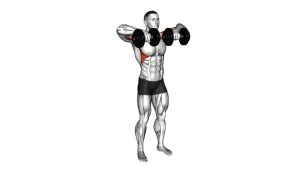
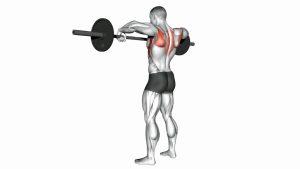
This movement works best when you stay tall, keep the core braced, and raise the bar with control instead of momentum. A moderate grip and a clean bar path usually feel better on the shoulders than trying to yank the bar as high as possible. Focus on lifting the elbows up and out while keeping the wrists under control and the bar close to your torso.
Quick Overview
| Body Part | side shoulders |
|---|---|
| Primary Muscle | Lateral deltoids |
| Secondary Muscle | Upper trapezius, rear deltoids, biceps, forearms |
| Equipment | Barbell or EZ curl bar, weight plates, collars |
| Difficulty | Intermediate |
Sets & Reps (By Goal)
- Muscle growth: 3–4 sets × 8–12 reps with controlled tempo and 60–90 seconds rest
- Strength-focused shoulder work: 4–5 sets × 5–8 reps with 90–120 seconds rest
- Technique and shoulder control: 2–3 sets × 10–15 reps with lighter weight and clean form
- Finisher / pump work: 2–3 sets × 12–15 reps with moderate weight and short rest
Progression tip: Add load gradually only when you can keep the elbows leading, the torso steady, and the shoulders comfortable through every rep.
Setup / Starting Position
- Stand tall: Place your feet about hip- to shoulder-width apart and keep your chest up.
- Grip the bar: Use an overhand grip with hands slightly narrower than shoulder width or a comfortable medium grip.
- Let the bar hang naturally: Start with the bar resting in front of your thighs and your arms fully extended.
- Brace your torso: Tighten your abs and keep your spine neutral to avoid swinging.
- Set your shoulders: Keep them down and controlled before starting the pull.
Many lifters find an EZ curl bar more comfortable than a straight bar because the angled grip can reduce wrist and shoulder stress.
Execution (Step-by-Step)
- Start the pull: Raise the bar straight up along the front of your body.
- Lead with the elbows: Think about driving your elbows up and out rather than curling the weight with your hands.
- Keep the bar close: Let it travel near your torso from the thighs toward the mid- to upper-chest area.
- Stop at a controlled top position: Lift until your elbows reach about shoulder height or slightly above, as long as it feels pain-free.
- Pause briefly: Hold the top for a moment without shrugging aggressively or jerking the weight.
- Lower slowly: Bring the bar back down under control to the starting position.
- Repeat smoothly: Maintain the same posture and bar path on every rep.
Pro Tips & Common Mistakes
- Use a comfortable grip width: Too narrow can make the movement feel cramped at the shoulder joint.
- Do not yank the bar: Momentum shifts tension away from the shoulders and increases sloppy reps.
- Keep the bar close to the torso: A drifting bar path often leads to poor leverage and shoulder irritation.
- Do not force extra height: More range is not always better if it creates pain or pinching.
- Stay tall: Avoid leaning back or using hip drive to finish the rep.
- Control the lowering phase: The eccentric helps build muscle and keeps the set cleaner.
- Try an EZ curl bar if needed: It often feels better on the wrists and shoulders than a straight bar.
FAQ
What muscles does the barbell upright row work most?
The barbell upright row mainly targets the lateral deltoids and upper traps. The rear delts, biceps, and forearms also assist during the movement.
Is the barbell upright row a shoulder or trap exercise?
It is both, but most people use it primarily for side shoulder development with secondary emphasis on the upper traps.
Should I use a straight bar or an EZ curl bar?
Either can work, but many lifters prefer an EZ curl bar because the angled grip often feels more natural on the wrists and shoulders.
How high should I lift the bar?
Lift until your elbows reach about shoulder height or a little higher if it feels comfortable. There is no need to force the bar as high as possible.
What if upright rows hurt my shoulders?
Reduce the range of motion, lighten the load, try an EZ curl bar, or adjust grip width. If discomfort continues, choose a different shoulder exercise that feels better.
Recommended Equipment
- Body-Solid Olympic EZ Barbell Curl Bar — a practical EZ-style bar option for lifters who want a more comfortable grip position
- SPART Olympic Weight Plates — 2-inch Olympic plates that fit common EZ curl bars and barbells for progressive loading
- Clout Fitness Olympic Barbell Clamps — quick-release collars to keep plates secure during upright rows and other barbell lifts
- Gymreapers Lifting Wrist Straps — useful if grip fatigue limits your shoulder work before the target muscles are challenged
- Fractional Olympic Plates — helpful for small, steady progression when larger jumps feel too aggressive
Pick equipment that supports clean form first. For upright rows, a comfortable bar path and stable plate setup matter more than loading heavy too soon.