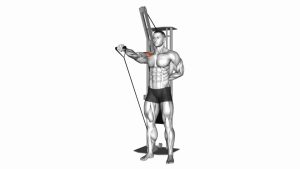
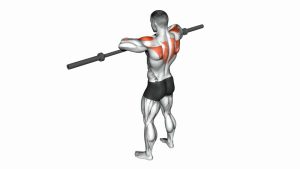
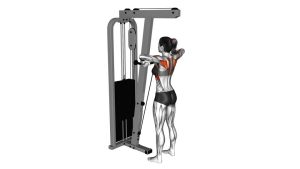
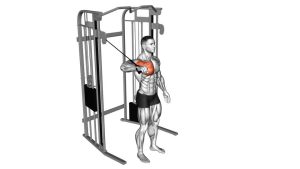
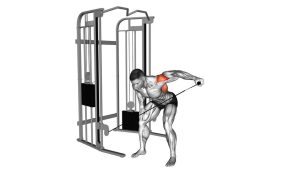
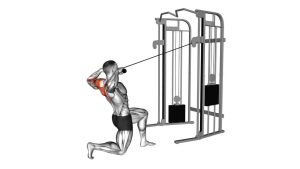
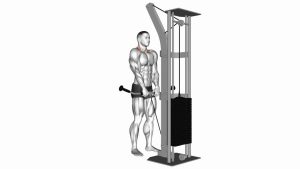
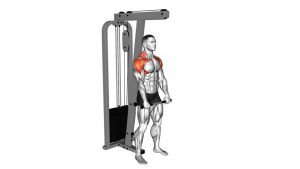
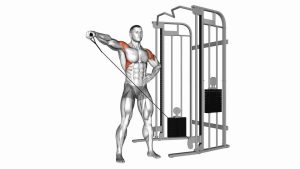
Cable Upright Row: Proper Form, Sets, Tips & FAQ
Learn how to do the Cable Upright Row with proper form to build stronger shoulders and upper traps. Includes setup, step-by-step execution, sets by goal, common mistakes, FAQs, and recommended equipment.
Cable Upright Row
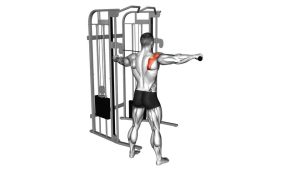
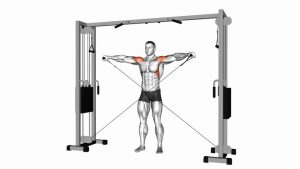
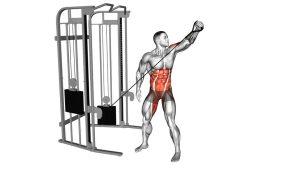
This variation works best when you stay tall, brace the core, and lift with deliberate control rather than momentum. The cable keeps the shoulders loaded from the start, which makes it useful for hypertrophy-focused training. You should feel the exercise primarily through the side delts and upper traps, with assistance from the biceps and upper back. A moderate range of motion is usually more joint-friendly than pulling excessively high.
Quick Overview
| Body Part | Shoulders |
|---|---|
| Primary Muscle | Lateral deltoids |
| Secondary Muscle | Upper trapezius, rear deltoids, biceps |
| Equipment | Cable machine with single handles or suitable attachment |
| Difficulty | Beginner to Intermediate |
Sets & Reps (By Goal)
- Muscle growth: 3–4 sets × 8–15 reps with controlled form and 45–75 seconds rest
- Shoulder-focused accessory work: 2–4 sets × 10–15 reps after pressing or lateral raises
- Strength-oriented assistance: 3–4 sets × 6–10 reps using a moderate load and strict technique
- Pump / finisher work: 2–3 sets × 12–20 reps with lighter weight and smooth tempo
Progression rule: Add reps before increasing weight. Once you can hit the top of your rep range with clean elbow-driven motion and no shoulder irritation, increase the load slightly.
Setup / Starting Position
- Set the pulley low: Attach single handles to the low cable position so the line of pull starts from below your hands.
- Stand tall: Position yourself facing the machine with feet about hip-width to shoulder-width apart.
- Grip the handles securely: Hold one handle in each hand with a neutral grip and let the handles rest near the thighs.
- Brace the torso: Keep the chest up, ribs stacked, and core engaged so the body stays steady.
- Relax the shoulders: Start with the traps quiet and the arms straight but not locked hard at the elbows.
Tip: Taking a small step back from the machine can help create smoother cable tension at the bottom of the rep.
Execution (Step-by-Step)
- Begin from a stable stance: Keep the handles near your thighs with tension on the cables and your posture tall.
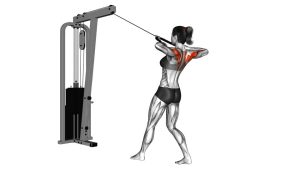
- Lead with the elbows: Pull the handles upward by driving the elbows out and up, keeping them higher than the wrists.
- Lift to a comfortable top position: Raise the handles toward mid-chest or upper-chest level without forcing the shoulders into an uncomfortable range.
- Pause briefly: Hold the top for a moment to feel the delts and traps working.
- Lower under control: Return the handles to the starting position slowly, maintaining tension instead of letting the weight drop.
Pro Tips & Common Mistakes
- Use a smooth tempo: Avoid jerking the weight up with momentum or leaning back.
- Do not pull excessively high: A moderate top position is often more comfortable for the shoulders than forcing the elbows too far up.
- Keep the wrists neutral: Let the elbows do the leading instead of over-flexing the wrists.
- Stay upright: Excessive torso swing turns the movement into a cheat rep and reduces shoulder focus.
- Don’t overload too early: Heavy weight often causes shrugging, shortened range, and sloppy mechanics.
- Use dual handles if possible: They usually feel more natural than a fixed straight bar for many lifters.
- Watch shoulder comfort: If a certain range causes irritation, shorten the rep slightly and keep it controlled.
FAQ
What muscles does the Cable Upright Row work most?
The exercise mainly targets the lateral deltoids and upper traps. The rear delts, biceps, and upper back also contribute during the pull.
Is the cable version better than the barbell upright row?
For many people, yes. The cable version often feels smoother because it provides constant tension and allows a more natural arm path, which can be more comfortable for the wrists and shoulders.
How high should I pull during an upright row?
Pull only as high as you can while keeping the movement comfortable and controlled. Many lifters do well stopping around mid-chest to upper-chest height rather than forcing the elbows excessively high.
Can beginners use the Cable Upright Row?
Yes, as long as the load is light enough to learn strict technique. Beginners should focus on posture, smooth reps, and shoulder comfort before trying heavier sets.
Should I do this on shoulder day or back day?
It fits best on shoulder day or upper-body sessions where delt and trap development are priorities. It can also work as an accessory after pressing movements.
Recommended Equipment
- Cable Machine Single Handles — useful for a more natural grip and smoother shoulder-friendly pulling path
- Triceps Rope Cable Attachment — a versatile cable attachment that can also be used for upright row variations
- Adjustable Weightlifting Belt — optional support for lifters who want extra trunk stability during heavier accessory work
- Lifting Straps — helpful if grip becomes a limiting factor during higher-volume cable training
- Loop Resistance Bands — useful for warming up the shoulders and pairing with delt activation drills
Tip: Choose attachments that let your wrists and shoulders move naturally. Comfort and clean mechanics matter more than using the heaviest option available.