Lever Shoulder Press (Plate-Loaded): Form, Sets, Tips & FAQ
Learn how to perform the plate-loaded lever shoulder press with proper form. Discover muscles worked, sets and reps by goal, setup tips, common mistakes, FAQs, and recommended equipment.
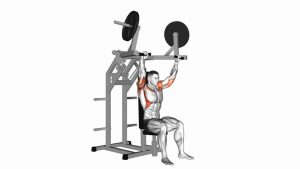
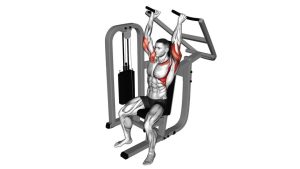
Lever Shoulder Press (Plate-Loaded)
This exercise is excellent for building shoulder size and pressing strength while reducing balance demands. It works well for beginners learning overhead mechanics, intermediate lifters chasing hypertrophy, and anyone who wants to train hard with a stable machine path. The best reps are controlled, full-range, and free from excessive back arching or shoulder shrugging.
Quick Overview
| Body Part | Shoulders |
|---|---|
| Primary Muscle | Anterior deltoid |
| Secondary Muscle | Lateral deltoid, triceps |
| Equipment | Plate-loaded lever shoulder press machine |
| Difficulty | Beginner to Intermediate |
Sets & Reps (By Goal)
- Muscle growth: 3–4 sets × 8–12 reps with 60–90 seconds of rest
- Strength focus: 4–5 sets × 4–8 reps with 90–150 seconds of rest
- General shoulder development: 3 sets × 10–15 reps with controlled tempo
- Beginner machine practice: 2–3 sets × 8–10 reps using moderate weight and clean form
Progression rule: Add reps first, then increase plate load once you can complete all target reps with stable posture, full control, and no excessive arching.
Setup / Starting Position
- Adjust the seat: Set the seat height so the handles begin around shoulder level or slightly below.
- Sit tall: Keep your upper back against the pad, chest up, and feet planted firmly on the floor.
- Grip the handles evenly: Use a secure grip with wrists stacked and neutral, not bent backward.
- Set your shoulder position: Pull the shoulders down and back lightly without over-squeezing.
- Brace your torso: Tighten your core gently so you can press without leaning back excessively.
Tip: Before your first working set, test the range of motion with a lighter load to make sure the bottom position feels smooth and pain-free.
Execution (Step-by-Step)
- Start from the bottom: Begin with elbows bent and handles near shoulder height.
- Press upward: Drive the handles overhead in a smooth, controlled arc while keeping your chest tall.
- Extend without slamming: Reach the top with the arms nearly straight, but do not lock the elbows aggressively.
- Pause briefly: Hold the top for a moment to stay in control and keep tension on the shoulders.
- Lower slowly: Return the handles to the starting position under control instead of letting the weight drop.
- Repeat with consistent form: Each rep should look the same from start to finish.
Pro Tips & Common Mistakes
- Keep wrists stacked: Bent wrists reduce pressing efficiency and can create unnecessary discomfort.
- Do not over-arch: Avoid turning the movement into an incline chest press by leaning too far back.
- Use full control on the negative: The lowering phase is a major part of the shoulder-building stimulus.
- Do not shrug at the top: Keep the traps from taking over the movement.
- Choose a manageable range: If the bottom feels pinchy, reduce depth slightly and improve seat position.
- Match both arms: Press evenly through both handles so one side does not dominate the machine path.
- Avoid ego loading: Clean reps with tension beat sloppy partial reps with too much weight.
FAQ
What muscles does the lever shoulder press work most?
The main target is the anterior deltoid. The movement also trains the lateral deltoid and triceps, with the upper body stabilizing throughout the press.
Is a plate-loaded shoulder press good for beginners?
Yes. The guided path makes it easier to learn pressing mechanics and focus on shoulder effort without the balance demands of dumbbells or barbells.
Should I lock out fully at the top?
You can reach near full extension, but avoid snapping the elbows into a hard lockout. Stay controlled and keep tension on the shoulders.
Why do I feel this more in my triceps than my shoulders?
That often happens when the weight is too heavy, your elbows track poorly, or your setup turns the movement into a shortened press. Lower the load and focus on a controlled shoulder-driven path.
Can I use this instead of dumbbell shoulder presses?
Yes, especially for hypertrophy. Machine presses are excellent for pushing close to failure with more stability, though free weights still have value for coordination and balance.
Recommended Equipment
- Olympic 2-Inch Weight Plates — essential if you use a plate-loaded machine in a home or private gym setup
- Fractional Weight Plates — useful for small, steady progression when standard jumps feel too heavy
- Wrist Wraps — helpful for extra wrist support during hard pressing sets
- Weight Lifting Belt — useful for advanced lifters who want extra torso bracing on heavier sets
- Workout Log Book — helps track load, reps, and progression over time
Tip: Good accessories should improve comfort, support progression, or help with consistency. They should never replace proper setup and controlled technique.