Sumo Deadlift High Pull: Proper Form, Sets, Tips & FAQ
Learn how to do the Sumo Deadlift High Pull with proper form. Discover muscles worked, setup, execution, sets and reps by goal, common mistakes, FAQs, and recommended equipment.
Sumo Deadlift High Pull
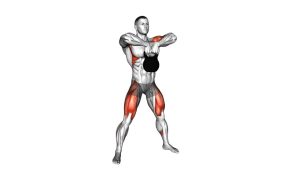
This exercise works best when the lower body starts the movement and the upper body finishes it. A strong rep begins with a controlled hip hinge and wide sumo stance, then transitions into an aggressive hip extension that helps drive the weight upward. Done properly, the movement develops lower-body strength, shoulder endurance, and full-body coordination without turning into a loose swing or an arm-dominant pull.
Quick Overview
Sets & Reps (By Goal)
- Strength-endurance: 3–4 sets × 8–12 reps with 60–90 seconds rest
- Conditioning / fat loss circuits: 2–4 sets × 12–20 reps with 30–60 seconds rest
- Power development: 4–5 sets × 4–6 reps with 90–120 seconds rest using crisp, explosive reps
- Technique practice: 2–3 sets × 6–8 reps with light load and full control
Progression rule: Increase load only when you can keep the weight close to the body, finish with elbows high, and control the lowering phase without rounding the back.
Setup / Starting Position
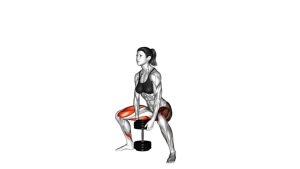
- Take a wide sumo stance: Place your feet wider than shoulder-width and turn the toes slightly outward.
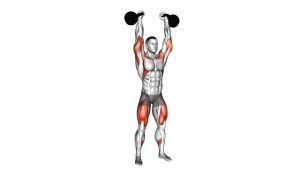
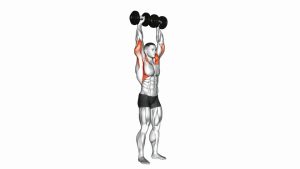
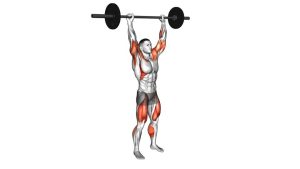
- Position the weight: Hold the kettlebell, dumbbell, or barbell with both hands so the load hangs centered between the legs.
- Hinge at the hips: Push the hips back, bend the knees slightly, and keep the chest lifted.
- Brace the core: Tighten the midsection before the rep starts and keep the spine neutral from head to hips.
- Let the arms stay long: Start with straight arms and relaxed shoulders so the hips can initiate the movement.
Tip: Keep the weight over the midfoot at the start. If it drifts too far forward, the rep usually turns into a loose swing.
Execution (Step-by-Step)
- Drive through the floor: Push through the heels and midfoot as you extend the knees and hips together.
- Stand up explosively: Snap the hips forward and rise tall while keeping the weight close to the body.
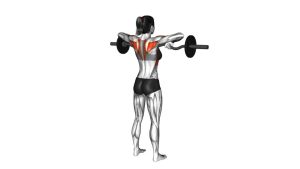
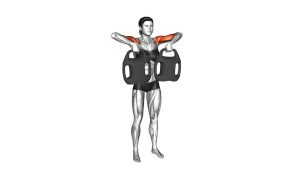
- Pull high after hip extension: Once the hips have generated momentum, guide the elbows up and out until they rise above the wrists.
- Reach the top position: Bring the weight to roughly upper-abdomen, chest, or collarbone height depending on your equipment and mobility.
- Lower with control: Extend the arms down, hinge the hips back, and return the weight between the legs for the next rep.
Pro Tips & Common Mistakes
- Lead with the hips: The lower body should create the momentum, not the arms.
- Keep the weight close: A tight path improves leverage and reduces unnecessary shoulder strain.
- Elbows go high and wide: Think about lifting the elbows rather than curling the hands upward.
- Do not over-squat it: This is primarily a hinge-driven movement, not a deep squat.
- Avoid shrugging excessively: Let the shoulders assist naturally, but do not jam them upward aggressively.
- Control the return: Dropping too fast can pull you out of position and reduce tension.
- Use a manageable load: Heavy weights often make the movement sloppy before they make it productive.
FAQ
What muscles does the Sumo Deadlift High Pull work most?
It mainly trains the inner thighs (adductors) and shoulders (deltoids), while also involving the glutes, hamstrings, traps, upper back, and core.
Is this more of a leg exercise or a shoulder exercise?
It is both, but the movement starts from the lower body. The hips and legs generate the force, and the shoulders finish the pull.
Can beginners do the Sumo Deadlift High Pull?
Beginners can learn it, but it is usually better to master the sumo deadlift and upright row pattern separately first. Start light and focus on timing and posture.
Should I use a kettlebell, dumbbell, or barbell?
A kettlebell or dumbbell is often the easiest option for learning control and rhythm. A barbell can work well too, but it usually demands more attention to path and posture.
What is the biggest mistake people make?
The most common mistake is pulling with the arms too early. That reduces power from the hips and often turns the rep into an awkward upright row instead of a coordinated full-body movement.
Recommended Equipment
- Adjustable Kettlebell — versatile option for sumo high pulls, swings, and full-body conditioning
- Bumper Plate Set — useful if you want to perform the movement with a barbell and train explosive pulls safely
- Resistance Bands Set — great for warm-ups, shoulder activation, and accessory work before pulling sessions
- Workout Gloves — helpful for grip comfort during higher-rep kettlebell or dumbbell work
- Weightlifting Shoes — optional support if you want a more stable base for powerful pulls from the floor
Choose equipment that helps you stay stable, move explosively, and keep the load traveling close to the body.