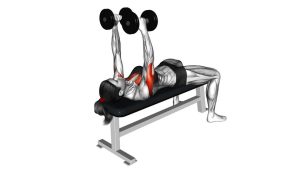
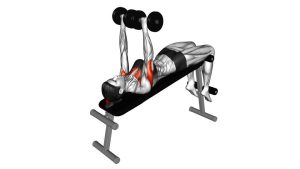
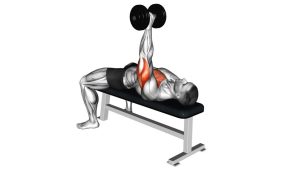
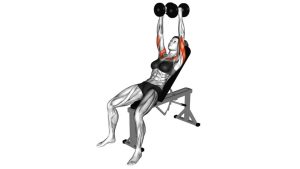
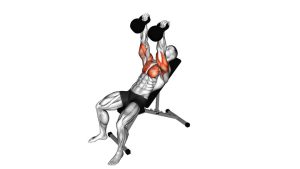
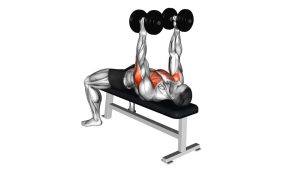
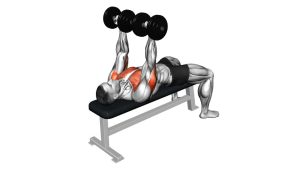
Dumbbell Bench Press (Flat): Proper Form, Sets & Reps, Tips & FAQ
Learn how to perform the flat dumbbell bench press with perfect form to build chest size and strength. Includes step-by-step technique, sets & reps by goal, common mistakes, FAQs, and recommended equipment.
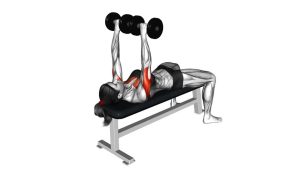
Dumbbell Bench Press (Flat)
Dumbbells make it easier to train each side evenly and adjust your elbow angle for a more shoulder-friendly press. The best reps feel stable: feet planted, upper back tight, and the dumbbells moving smoothly with no bouncing at the bottom.
Quick Overview
| Body Part | Chest |
|---|---|
| Primary Muscle | Pectoralis major (mid / sternal fibers) |
| Secondary Muscle | Triceps brachii, anterior deltoids, serratus anterior (stability) |
| Equipment | Dumbbells + flat bench (or floor press as a substitute) |
| Difficulty | Beginner–Intermediate (progresses well with load and tempo) |
Sets & Reps (By Goal)
- Hypertrophy (muscle growth): 3–5 sets × 8–12 reps (60–120 sec rest)
- Strength focus: 4–6 sets × 4–6 reps (2–3 min rest)
- Endurance / pump: 2–4 sets × 12–20 reps (45–75 sec rest)
- Beginner technique: 2–3 sets × 6–10 reps (slow tempo, perfect control)
Progression rule: Add reps first (within the target range), then add load in small jumps. Keep the last 1–2 reps challenging while maintaining a stable shoulder position and controlled depth.
Setup / Starting Position
- Set the bench and dumbbells: Place dumbbells at the sides of the bench where you can safely pick them up.
- Feet and base: Plant feet firmly on the floor (slightly behind knees if comfortable) for full-body stability.
- Upper back tight: Pull shoulder blades back and down to create a stable “shelf.” Keep chest lifted.
- Grip and wrists: Hold dumbbells with wrists neutral and stacked—no bending back.
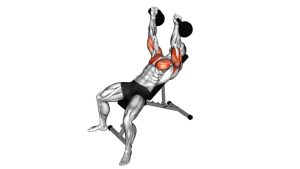
- Start position: Dumbbells above the chest with elbows softly bent; inhale and brace before lowering.
Tip: If getting dumbbells into position is hard, rest them on your thighs, lie back, then “kick” one knee at a time to guide them up safely.
Execution (Step-by-Step)
- Lower under control: Inhale and bring the dumbbells down toward mid-chest with elbows at roughly 30–60° from your torso (not straight out).
- Stay stacked: Keep wrists over elbows and forearms mostly vertical. Don’t let the dumbbells drift too wide.
- Reach consistent depth: Lower until you feel a strong chest stretch without shoulder pinch. Upper arms are usually near parallel to the floor (varies by mobility).
- Press smoothly: Drive the dumbbells up while exhaling, pressing in a slight inward arc toward the midline.
- Finish strong: Stop just short of a hard lockout, keep shoulders down, and maintain tension in the chest before the next rep.
Pro Tips & Common Mistakes
- Think “chest up, shoulders down”: Keep the shoulder blades gently retracted to protect the front of the shoulder.
- Use a slight inward press: Dumbbells typically come a bit closer together at the top—avoid pressing straight out wide.
- Control the bottom: No bouncing. A 2–3 second eccentric (lowering) boosts chest tension.
- Don’t over-flare elbows: Extremely flared elbows can irritate shoulders and shift stress away from chest control.
- Avoid wrist collapse: Wrists should stay neutral; stack knuckles over elbows.
- Don’t lose your base: Feet stay planted—if you’re shifting around, the load is too heavy or setup is unstable.
FAQ
Where should I feel the dumbbell bench press?
You should feel most of the tension in the chest, especially during the lowering phase and mid-press. You’ll also feel the triceps near the top. If you feel mostly front-shoulder pain, reduce depth and re-check elbow angle.
Should the dumbbells touch at the top?
Not necessary. Bringing them close is fine, but smashing them together can reduce chest tension and change your pressing path. Focus on a smooth lockout with stable shoulders.
Is a neutral grip (palms facing each other) better for shoulders?
Often yes. A neutral or slight angle can feel more comfortable for many lifters. Choose the grip that lets you press pain-free while keeping wrists stacked and elbows controlled.
How low should I go?
Lower until you get a solid chest stretch without shoulder pinch. Depth varies by shoulder mobility and arm length. If the bottom position feels unstable, shorten the range slightly or use a floor press variation.
What’s a good substitute if I don’t have a bench?
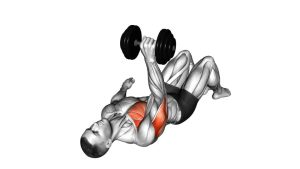
Use a dumbbell floor press (limits depth and is often shoulder-friendly) or do push-up variations for chest volume.
Recommended Equipment
- Adjustable Dumbbells — space-saving way to progress load for pressing and full-body training
- Adjustable Weight Bench — supports flat, incline, and decline pressing variations
- Dumbbell Rack / Storage Stand — keeps dumbbells organized and makes setup safer
- Lifting Straps (Optional) — helpful if grip fatigue limits heavier dumbbell sets (more useful for pulling, optional here)
- Resistance Bands (Warm-up) — great for shoulder prep (band pull-aparts, external rotations) before pressing
Tip: If you train at home, adjustable dumbbells + an adjustable bench cover almost every chest press variation.