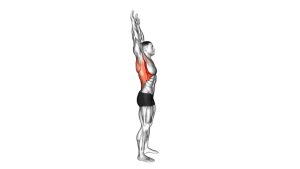
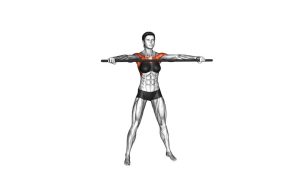
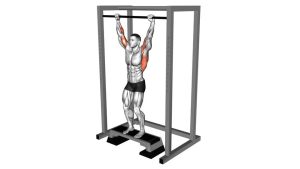
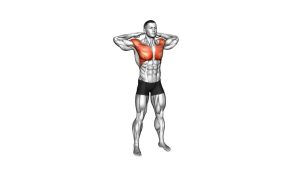
Rotation Shoulder Stretch: Proper Form, Benefits, Tips & FAQ
Learn how to perform the Rotation Shoulder Stretch with proper form to improve shoulder mobility, open the chest, and reduce front-delt tightness. Includes setup, execution, tips, FAQ, and recommended equipment.
Rotation Shoulder Stretch
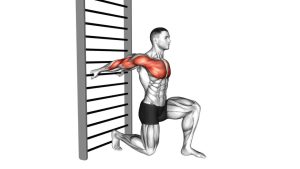
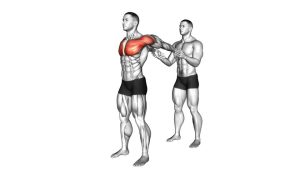
This stretch works best when you stay tall, keep the shoulder relaxed, and let the torso rotation create the stretch instead of forcing the arm backward. It can be useful after pressing workouts, during upper-body mobility sessions, or as part of a posture-focused routine for people who spend long hours at a desk.
Quick Overview
| Body Part | Shoulders |
|---|---|
| Primary Muscle | Anterior deltoid |
| Secondary Muscle | Pectoralis major (upper fibers), biceps long head, front-shoulder soft tissues |
| Equipment | Wall or stable upright surface |
| Difficulty | Beginner |
Sets & Reps (By Goal)
- Daily mobility: 2–3 sets per side × 20–30 sec holds
- Post-workout recovery: 2–4 sets per side × 20–45 sec holds
- Posture-focused routine: 2–3 sets per side × 30–40 sec holds
- Warm-up prep: 1–2 lighter sets per side × 10–20 sec holds
Progression rule: Increase time under stretch gradually before increasing intensity. Better breathing and cleaner position matter more than forcing extra range.
Setup / Starting Position
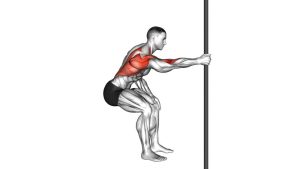
- Stand next to a wall: Position yourself side-on beside a wall or sturdy vertical support.
- Raise one arm: Bring the working arm to about shoulder height with a soft bend in the elbow.
- Place the hand or forearm on the wall: Make light contact without shrugging the shoulder upward.
- Set posture: Stand tall with ribs stacked, core lightly braced, and neck neutral.
- Relax the shoulder: Keep the shoulder down and avoid excessive tension in the neck or traps.
Tip: A slight elbow bend is fine, but avoid collapsing the arm too much or you may lose the stretch.
Execution (Step-by-Step)
- Anchor the arm: Keep the hand or forearm lightly fixed against the wall.
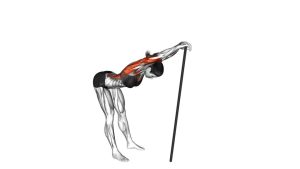
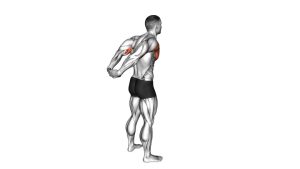
- Rotate the torso away: Slowly turn your chest away from the wall until you feel a gentle stretch in the front shoulder.
- Keep the arm quiet: Let the body rotation create the stretch rather than pushing the arm backward.
- Hold the end position: Breathe slowly and keep the stretch smooth for the target hold time.
- Return with control: Rotate back to neutral slowly, then repeat on the same side or switch arms.
Pro Tips & Common Mistakes
- Rotate from the torso: Don’t force the arm deeper by pushing through the wall.
- Keep the shoulder depressed: Avoid shrugging the shoulder toward the ear.
- Use moderate intensity: A 5–7/10 stretch is usually enough.
- Adjust arm height: Shoulder-height is a good default, but slightly lower may feel better for sensitive shoulders.
- Don’t over-arch the lower back: Keep the ribs controlled as you rotate.
- Pair it wisely: This stretch works well with band pull-aparts, rows, and thoracic mobility drills.
FAQ
Where should I feel the Rotation Shoulder Stretch?
Most people feel it in the front of the shoulder, especially the anterior deltoid, and sometimes into the upper chest. You should not feel a sharp pinch inside the joint.
Should my arm stay completely straight?
Not necessarily. A slight bend in the elbow is fine as long as the shoulder stays open and relaxed. The key is to avoid excessive tension and keep the stretch comfortable.
Is this stretch good after chest or shoulder training?
Yes. It can be especially helpful after pressing workouts, front-delt-heavy sessions, or long periods of sitting with rounded shoulders.
What if I feel pinching in the front of my shoulder?
Reduce the torso rotation, lower the arm slightly, and keep the shoulder from rolling forward. If pinching continues, stop and use a gentler variation.
How often can I do this stretch?
Many people can perform it several times per week or even daily at low intensity, especially in short mobility routines. Keep the effort controlled and avoid aggressive stretching.
Recommended Equipment (Optional)
- Yoga Stretch Strap — useful for gentle mobility work and assisted upper-body stretching
- Foam Roller — helps with upper-back mobility and soft-tissue prep before stretching
- Massage Ball / Mobility Ball — useful for pec, front-shoulder, and upper-back trigger-point work
- Over-the-Door Shoulder Pulley — optional tool for gentle shoulder range-of-motion and rehab-style mobility work
- Light Resistance Bands — great for pairing with posture drills, band pull-aparts, and shoulder activation work
Tip: Optional tools should support better movement quality, not replace good technique. Use light resistance and comfortable ranges.