Cable Upright Row : Proper Form, Sets, Muscles Worked & FAQ
Learn how to perform the Cable Upright Row with proper form for stronger shoulders and upper traps. Includes setup, execution, sets and reps by goal, common mistakes, FAQ, and recommended equipment.
Cable Upright Row
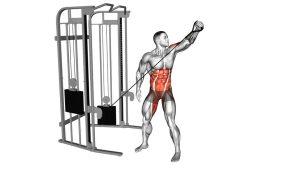
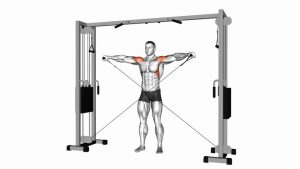
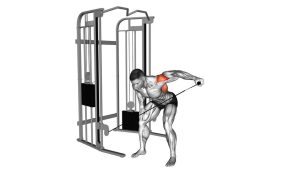
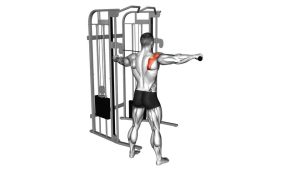
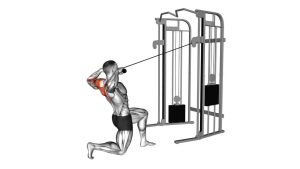
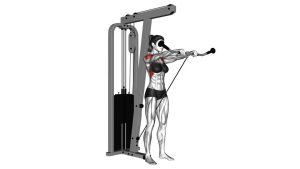
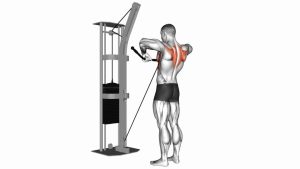
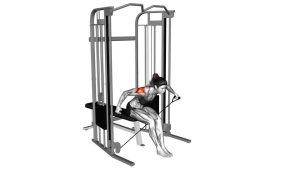
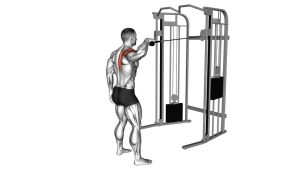
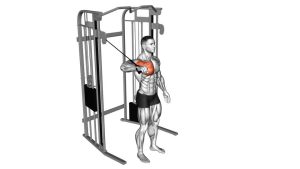
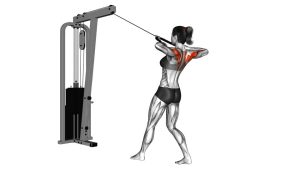
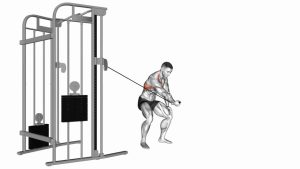
The Cable Upright Row works best when the weight is controlled and the range of motion matches your shoulder comfort. The goal is to raise the handle upward along the torso while keeping the chest tall, core braced, and elbows moving out and up. You should feel the movement mostly in the shoulders, with the upper traps assisting. If you feel pinching at the front of the shoulder, excessive wrist discomfort, or the need to jerk the weight upward, reduce the load and shorten the top range slightly.
Quick Overview
| Body Part | Shoulders |
|---|---|
| Primary Muscle | Lateral deltoids |
| Secondary Muscle | Upper trapezius, biceps, forearms |
| Equipment | Cable machine with low pulley and straight bar, rope, or close-grip cable attachment |
| Difficulty | Beginner to Intermediate |
Sets & Reps (By Goal)
- Muscle growth: 3–4 sets × 8–15 reps, 60–90 sec rest
- Shoulder accessory work: 2–4 sets × 10–15 reps, 45–75 sec rest
- Technique practice: 2–3 sets × 10–12 reps with light load and slower tempo
- Finisher / pump work: 2–3 sets × 12–20 reps with strict form and controlled lowering
Progression rule: Add reps before adding weight. If the elbows stop leading, the wrists bend excessively, or you need to swing the cable stack, the load is too heavy.
Setup / Starting Position
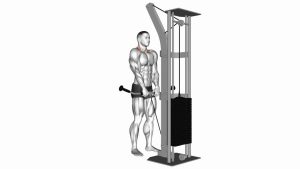
- Set the pulley low: Attach a straight bar, rope, or close-grip handle to the low cable pulley.
- Take your stance: Stand tall facing the machine with feet about hip-width apart.
- Grip the attachment: Use a comfortable overhand or neutral grip, usually around shoulder-width or slightly narrower depending on the handle.
- Brace your torso: Keep your core engaged, chest up, and shoulders down before starting the pull.
- Start with arms extended: Let the handle hang in front of your thighs with tension already on the cable.
Tip: A rope or slightly wider grip can feel more natural for lifters who experience discomfort with a narrow straight-bar path.
Execution (Step-by-Step)
- Initiate with the elbows: Pull the handle upward close to the body while letting the elbows travel out and up.
- Keep the torso still: Avoid leaning back, bouncing, or using hip drive to move the weight.
- Lift to a comfortable top position: Bring the handle to mid-chest or upper-chest height only if your shoulders stay comfortable.
- Pause briefly: Squeeze the shoulders at the top without aggressively shrugging.
- Lower under control: Return the handle slowly to the start position and keep tension on the cable.
- Repeat smoothly: Every rep should look the same—steady, controlled, and shoulder-led.
Pro Tips & Common Mistakes
- Lead with the elbows: This helps keep the emphasis on the delts instead of the hands and wrists.
- Do not yank the cable: Momentum reduces shoulder tension and makes the rep less consistent.
- Stay within pain-free range: You do not need to pull extremely high to make the exercise effective.
- Keep wrists neutral: Avoid excessive wrist curling at the top.
- Do not over-shrug: Some trap involvement is normal, but excessive shrugging can take over the movement.
- Use moderate weight: Upright rows usually respond better to controlled reps than heavy cheating.
- Try attachment variations: A rope attachment can allow a more shoulder-friendly path than a fixed straight bar.
FAQ
What muscles does the Cable Upright Row work most?
The exercise mainly targets the lateral deltoids, with the upper traps assisting strongly. The biceps and forearms also help maintain the pull and grip.
Is the cable version better than the barbell upright row?
For many lifters, the cable version feels smoother because the resistance stays consistent and the movement path is easier to control. It can also be easier to adjust with different handles.
How high should I pull the handle?
Pull only as high as your shoulders stay comfortable. For many people, stopping around mid-chest to upper-chest height works well. You do not need an extreme top position.
Can beginners use this exercise?
Yes, as long as the load is light to moderate and the focus stays on form. Beginners should start with a controlled range of motion and avoid jerking the cable upward.
What attachment is best for cable upright rows?
A straight bar is the classic option, but many people also like a rope attachment because it allows the hands to separate at the top and can feel more natural on the shoulders.
Recommended Equipment
- Body-Solid Tools Pro-Grip Revolving Straight Bar — classic straight-bar attachment for cable upright rows, curls, and press-down work
- SYL Fitness Tricep Rope Cable Attachment — useful if you prefer a more shoulder-friendly rope path and freer hand position
- Single D Handle Cable Attachment — useful for unilateral cable shoulder work and one-arm upright row variations
- Toosci Cable Attachment Set — a versatile set if you want multiple handle options for shoulders, back, and arm training
- Gymreapers Lifting Straps — optional grip support for lifters whose hands fatigue before the shoulders do
Use attachments that let you keep a smooth pulling path and comfortable shoulder position. A straight bar is the classic choice, while rope and single-handle options can offer a more natural feel for some lifters.