Barbell Skier : Proper Form, Muscles Worked, Sets, Tips & FAQ
Learn how to perform the Barbell Skier with proper form to train the shoulders, rear delts, and upper back. Includes setup, execution, sets by goal, common mistakes, FAQ, and recommended equipment.
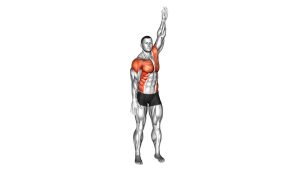
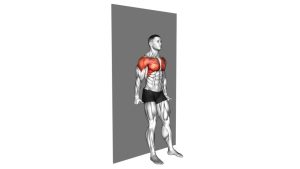
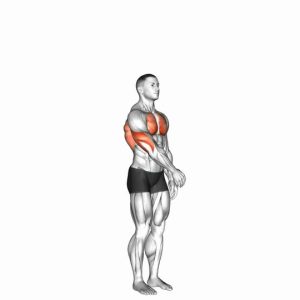
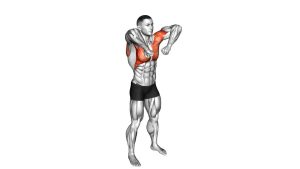
Barbell Skier
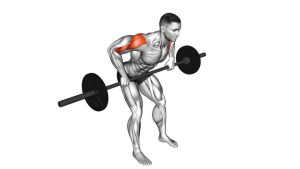
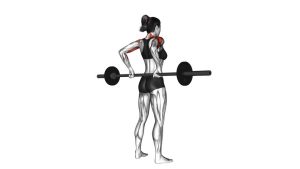
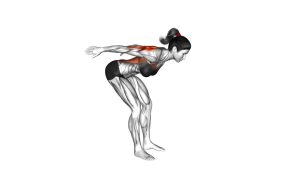
This exercise works best with a light-to-moderate load and strict control. The goal is to move the bar with the shoulders, not by jerking the torso or aggressively bending the elbows. You should feel the rear shoulders and upper back working while your core helps stabilize the body.
Quick Overview
| Body Part | Shoulders |
|---|---|
| Primary Muscle | Posterior deltoids (rear delts) |
| Secondary Muscle | Latissimus dorsi, rhomboids, middle traps, triceps (stabilizing), core |
| Equipment | Barbell |
| Difficulty | Beginner to Intermediate |
Sets & Reps (By Goal)
- Technique practice: 2–3 sets × 10–12 reps with light weight and slow control
- Muscle endurance: 2–4 sets × 12–20 reps with steady tempo and short rest
- Hypertrophy / shoulder development: 3–4 sets × 8–15 reps with controlled form
- Warm-up / activation: 1–2 sets × 12–15 reps before rows, presses, or rear-delt work
Progression rule: Increase load only after you can keep the arms controlled, avoid torso swinging, and maintain the same bar path across all reps.
Setup / Starting Position
- Stand tall: Place your feet about hip-width to shoulder-width apart for balance.
- Grip the barbell: Use a comfortable overhand grip with hands roughly shoulder-width apart.
- Soften the elbows: Keep a slight bend, but do not turn the lift into an arm-driven movement.
- Brace your torso: Engage your core and keep a slight forward lean from the hips.
- Set the shoulders: Keep them down and controlled, not shrugged toward the ears.
Tip: Start with a light fixed-weight barbell or training bar if you are learning the movement pattern.
Execution (Step-by-Step)
- Begin from the front: Let the bar rest around thigh level or slightly in front of the body.
- Drive the arms back: Move the bar backward in a smooth arc by extending through the shoulders.
- Keep the arms long: Maintain only a slight elbow bend so the shoulders stay the focus.
- Pause briefly: At the back of the motion, squeeze the rear delts and upper back without shrugging.
- Return with control: Bring the bar back to the start position slowly, resisting momentum.
- Repeat evenly: Use the same tempo and range on every rep.
Pro Tips & Common Mistakes
- Use a controlled arc: Smooth movement keeps the rear delts and upper back under tension.
- Keep the neck neutral: Do not crane the head forward during the backward swing.
- Stay braced: The torso should remain steady rather than rocking to move the bar.
- Do not overbend the elbows: Too much elbow flexion shifts the exercise toward a row.
- Avoid excessive range: Stop before shoulder position becomes sloppy or painful.
- Keep shoulders depressed: Do not shrug as the bar travels backward.
- Choose load carefully: This exercise usually works better with moderate resistance than with very heavy weight.
FAQ
What muscles does the Barbell Skier work most?
It primarily trains the rear delts and also involves the lats, rhomboids, middle traps, and the core for stability.
Is the Barbell Skier a shoulder or back exercise?
It is mainly a shoulder-focused movement, especially for the posterior delts, but the upper back helps support and control the motion.
How heavy should I go?
Start light. This is a form-sensitive movement, so clean control matters more than heavy loading. If you need momentum to move the bar, reduce the weight.
Can beginners do this exercise?
Yes, especially with a light barbell or technique bar. Beginners should focus on posture, shoulder control, and consistent tempo before increasing resistance.
What is the most common mistake?
The most common mistake is using the whole body to swing the bar. That reduces shoulder tension and increases the chance of lower-back compensation.
Recommended Equipment
- Technique Barbell — ideal for learning the movement pattern with lighter loading
- Resistance Bands Set — useful for shoulder warm-ups, activation drills, and accessory work
- Barbell Collars — helps keep plates secure during training
- Lifting Straps — optional grip support if forearms fatigue before the shoulders
- Foam Roller — useful for upper-back mobility and recovery between training sessions
Tip: For this exercise, a lighter barbell and good shoulder control are usually more valuable than aggressive loading.