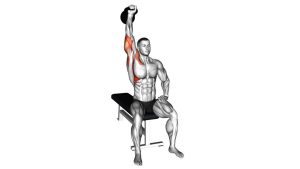
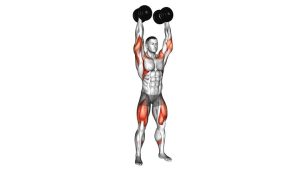
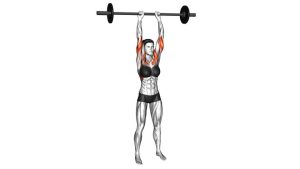
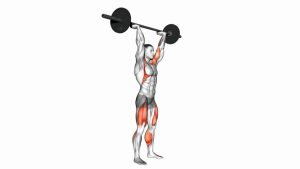
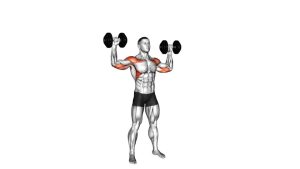
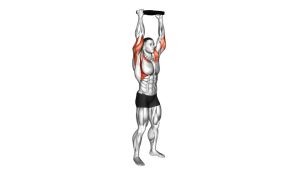
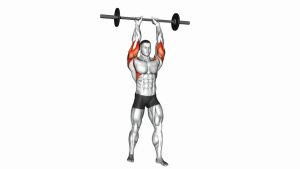
Barbell Military Press with Hanging Band Technique: Form, Muscles Worked, Sets, Tips & FAQ
Learn how to perform the Barbell Military Press with Hanging Band Technique for overhead strength, shoulder stability, and core control. Includes setup, execution, sets and reps by goal, mistakes, FAQs, and recommended equipment.
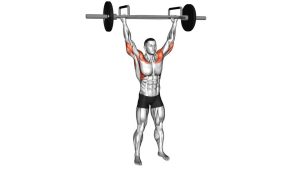
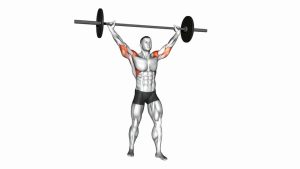
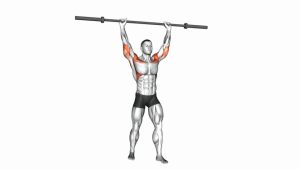
Barbell Military Press (Hanging Band Technique)
This variation is best used by experienced lifters who already own solid overhead pressing mechanics. The suspended bands make the load move unpredictably, so every rep demands tighter bracing, better shoulder positioning, and a straighter bar path than a standard military press. Keep the ribs down, glutes engaged, and press smoothly rather than aggressively jerking the bar overhead.
Quick Overview
| Body Part | Shoulders |
|---|---|
| Primary Muscle | Anterior deltoids |
| Secondary Muscle | Triceps, lateral delts, upper chest, rotator cuff, traps, serratus anterior, core |
| Equipment | Barbell, weight plates, resistance bands, rack or press station |
| Difficulty | Advanced (best for skilled lifters focused on shoulder stability and control) |
Sets & Reps (By Goal)
- Shoulder stability & control: 3–4 sets × 4–6 reps with light oscillating load and 90–120 sec rest
- Strength skill work: 4–5 sets × 3–5 reps with crisp technique and 2–3 min rest
- Athletic coordination / reactive stability: 2–4 sets × 5–8 reps with moderate tempo and full control
- Accessory press variation: 2–3 sets × 6–8 reps after your main overhead press work
Progression rule: Add stability before load. First improve bar control, reduce swinging, and own the lockout. Then increase the barbell weight or hanging load in very small jumps.
Setup / Starting Position
- Set the rack height: Position the bar around upper-chest height so you can unrack safely without wasting energy.
- Attach the bands evenly: Hang bands from both sleeves and suspend light plates or kettlebells equally on each side.
- Grip the bar just outside shoulder width: Keep wrists stacked and forearms nearly vertical.
- Unrack into a strong front-rack position: Bar starts near the upper chest with elbows slightly forward of the bar.
- Brace hard: Stand tall with feet about hip- to shoulder-width apart, glutes tight, abs braced, and ribs down.
- Set your head neutral: Eyes forward, chin slightly tucked, and shoulders ready to rotate upward naturally.
Tip: The hanging implements should be light enough to create instability without destroying bar control. This is a precision drill, not a max-effort press.
Execution (Step-by-Step)
- Take a full brace before each rep: Lock in your trunk so the torso does not overextend as the bar moves.
- Press straight up: Drive the bar vertically from the upper chest while keeping the forearms stacked under the bar.
- Move the head slightly back, then through: Clear the bar on the way up, then bring the head back under once the bar passes the forehead.
- Control the oscillation: Do not rush. The hanging load will sway, so press with smooth force and steady timing.
- Reach a stable lockout: Finish with elbows extended, shoulders active, and the bar centered over the mid-foot.
- Lower under control: Bring the bar back to the upper chest slowly while resisting any extra swinging.
- Reset between reps if needed: Let the bands settle slightly before the next press when technique is the priority.
Pro Tips & Common Mistakes
- Use less hanging weight than you think: Even very small suspended loads can feel dramatically harder overhead.
- Press smoothly, not explosively: Too much speed often magnifies oscillation and throws off alignment.
- Keep ribs down: Avoid turning the movement into a standing incline press by over-arching the lower back.
- Stay stacked: Wrists over elbows, bar over shoulders, and bar over mid-foot at lockout.
- Do not shrug early: Let the shoulders rotate naturally instead of yanking the traps upward too soon.
- Do not let the knees dip: This is a strict military-press pattern, not a push press.
- Reset your breath: Re-brace before each rep if the instability makes the set sloppy.
- Use this as a quality tool: It works best for stability, coordination, and skill—not for chasing maximal loading.
FAQ
What is the purpose of the hanging band technique?
The hanging setup creates oscillation, which forces your shoulders, arms, and core to stabilize the bar in real time. It turns a standard military press into a much more demanding control-based movement.
Is this better than a regular barbell military press for building size?
Not necessarily. A regular military press is usually better for straightforward progressive overload. The hanging band version is more specialized for shoulder stability, motor control, and bracing quality.
How heavy should the hanging loads be?
Very light at first. The instability effect builds fast, so small suspended loads are usually enough to make the movement challenging. Start conservatively and increase only when every rep stays clean.
Can beginners do this exercise?
Most beginners should master the regular standing barbell press first. This variation is better suited to intermediate and advanced lifters who already have solid overhead mechanics.
What muscles should I feel the most?
You should primarily feel the front delts and triceps driving the press, while the rotator cuff, upper back, and core work hard to keep the bar stable.
Where should I place this in a workout?
Most lifters do best using it after their main heavy press work or as a dedicated shoulder stability variation on a pressing day. Keep the volume moderate and prioritize form quality.
Recommended Equipment
- 7-Foot Olympic Barbell — the foundation for strict overhead pressing and compatible with standard 2-inch plates
- Resistance Bands Set — useful for creating the hanging instability setup and for warm-up or accessory shoulder work
- Squat Rack / Power Rack — makes unracking and reracking overhead press variations safer and more practical
- Olympic Fractional Micro Plates — ideal for making very small progressions in barbell load or hanging load
- Band Set with Handles — helpful for rotator cuff prep, shoulder activation, and extra stability work before pressing
Tip: For this exercise, prioritize bar quality, rack safety, and small load jumps over piling on unstable weight.