Smith Machine Seated Shoulder Press: Form, Muscles Worked, Sets & Tips
Learn how to do the Smith Machine Seated Shoulder Press with proper form. Discover muscles worked, setup, step-by-step execution, sets and reps by goal, common mistakes, FAQs, and recommended equipment.
Smith Machine Seated Shoulder Press
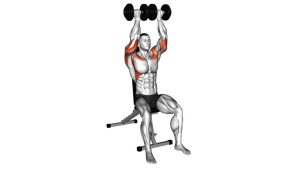
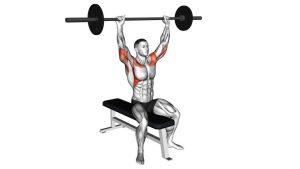
This exercise is excellent for lifters who want to build shoulder size and pressing strength with more stability than a free-weight overhead press. The bench support helps you stay upright, while the Smith machine reduces balance demands so you can concentrate on clean pressing mechanics. You should feel the shoulders doing most of the work, with the triceps assisting through the top half of each rep.
Quick Overview
| Body Part | Shoulders |
|---|---|
| Primary Muscle | Anterior deltoids (front shoulders) |
| Secondary Muscle | Lateral deltoids, triceps, upper chest (light assistance), upper traps (stabilization) |
| Equipment | Smith machine, adjustable bench set upright, weight plates |
| Difficulty | Beginner to Intermediate |
Sets & Reps (By Goal)
- Muscle growth: 3–5 sets × 8–12 reps, 60–90 sec rest
- Strength focus: 4–6 sets × 4–8 reps, 2–3 min rest
- Technique practice: 2–4 sets × 8–10 reps with a controlled tempo, 60–75 sec rest
- Shoulder workout finisher: 2–3 sets × 12–15 reps, moderate load, short rest
Progression rule: Add reps first, then increase load in small jumps once you can complete all sets with stable shoulders, smooth lockout, and no back overextension.
Setup / Starting Position
- Set the bench upright: Place an adjustable bench inside the Smith machine at or near a 90-degree angle so your back is fully supported.
- Align your body: Sit tall with your head neutral, upper back against the pad, and feet planted firmly on the floor.
- Set bar height: Position the bar so it starts around chin to upper-chest level when unracked.
- Grip the bar: Use a pronated grip slightly wider than shoulder width. Wrists should stay stacked over elbows.
- Brace before unracking: Tighten your core, keep the ribs down, and maintain a natural spine without arching hard into the bench.
Tip: Your forearms should be close to vertical from the front view at the bottom position. If your elbows are too far out or too tucked in, adjust grip width slightly.
Execution (Step-by-Step)
- Unrack the bar carefully: Rotate the bar out of the hooks and stabilize it over the shoulders.
- Lower under control: Bring the bar down toward chin or upper-chest level while keeping your elbows under the bar and your back supported.
- Pause briefly at the bottom: Stop in a comfortable range where the shoulders stay stable and pain-free.
- Press straight up: Drive the bar upward along the fixed path until your arms are nearly straight overhead.
- Control the top position: Reach full extension without slamming into lockout or shrugging excessively.
- Repeat with tempo: Lower again smoothly and keep each rep consistent from start to finish.
Pro Tips & Common Mistakes
- Keep your ribcage down: Do not turn the press into a leaning incline press by over-arching the back.
- Do not lower too deep: Stop where the shoulders still feel strong and centered.
- Press through the palms: Keep wrists neutral instead of letting them bend too far back.
- Stay seated tall: Avoid sliding forward on the bench or losing upper-back contact.
- Use a controlled eccentric: The lowering phase builds stability and shoulder tension.
- Do not bounce off the bottom: Each rep should start from muscular control, not momentum.
- Avoid overly wide elbows: Excessive flaring can stress the shoulders and reduce pressing efficiency.
FAQ
What muscles does the Smith Machine Seated Shoulder Press work?
It mainly targets the anterior deltoids, while the lateral deltoids and triceps assist. The upper chest and traps may contribute slightly depending on setup and bar path.
Is the Smith machine shoulder press good for beginners?
Yes. The fixed path provides more stability than a free-weight overhead press, which can help beginners learn pressing mechanics and focus on shoulder effort without balancing the bar.
How low should I bring the bar?
Lower the bar to a comfortable depth, usually around chin or upper-chest level, as long as your shoulders stay stable and pain-free. There is no need to force extra depth.
Should I lock out fully at the top?
You can reach near full elbow extension, but avoid aggressively slamming the joints into lockout. Stay controlled and keep tension on the shoulders.
Is this better than a dumbbell shoulder press?
Not necessarily better, just different. The Smith machine offers more stability and easier progression, while dumbbells demand more coordination and independent shoulder control.
Recommended Equipment
- Adjustable Weight Bench — essential for setting a solid upright seated pressing position
- Weightlifting Wrist Wraps — useful if heavy pressing irritates the wrists or you want more support
- Resistance Bands Set — great for shoulder warm-ups, activation drills, and extra delt volume
- Fractional / Micro Weight Plates — ideal for making smaller strength jumps on overhead pressing movements
- Workout Gloves or Grip Gloves — optional comfort tool for lifters who prefer extra grip or palm protection
Tip: Prioritize a stable bench and good wrist position first. Extra accessories should improve comfort and control, not compensate for poor pressing mechanics.