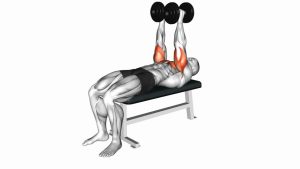
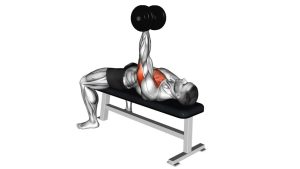
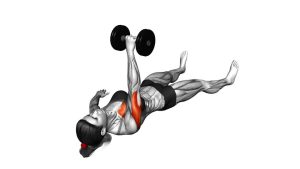
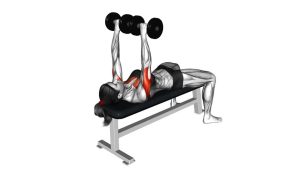
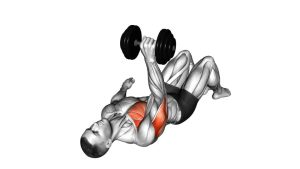
Dumbbell Lying Hammer Press: Neutral-Grip Chest Press Form, Sets & Tips
Learn the Dumbbell Lying Hammer Press (neutral-grip dumbbell press) for chest and triceps strength with shoulder-friendly form. Step-by-step execution, sets by goal, mistakes, FAQs, and recommended gear.
Dumbbell Lying Hammer Press
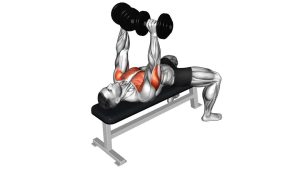
This exercise rewards clean alignment: wrists stacked over elbows, shoulder blades stable on the bench, and dumbbells moving on a consistent path. Keep your ribcage controlled and avoid excessive arching. You’ll typically feel the work most in the mid-chest with a strong assist from the triceps.
Quick Overview
| Body Part | Chest |
|---|---|
| Primary Muscle | Pectoralis major (mid-chest emphasis) |
| Secondary Muscle | Triceps, anterior deltoids, scapular stabilizers |
| Equipment | Dumbbells + flat bench (or floor as a regression) |
| Difficulty | Beginner–Intermediate (excellent for shoulder-friendly pressing) |
Sets & Reps (By Goal)
- Strength focus: 3–5 sets × 4–8 reps (2–3 min rest, controlled eccentric)
- Muscle growth (hypertrophy): 3–4 sets × 8–12 reps (60–90 sec rest, full control)
- Endurance / pump: 2–4 sets × 12–20 reps (45–75 sec rest, steady tempo)
- Beginner technique: 2–3 sets × 8–10 reps (light load, perfect alignment)
Progression rule: Add reps first (same form), then add small weight jumps. If your shoulders shift forward or your wrists bend back, reduce load and rebuild control.
Setup / Starting Position
- Set the bench: Use a flat bench with enough space to press freely without hitting the rack or posts.
- Get stable: Feet planted, glutes on the bench, core lightly braced. Keep your ribs down—avoid over-arching.
- Shoulder position: Pull shoulder blades slightly back and down to create a stable base (don’t over-squeeze).
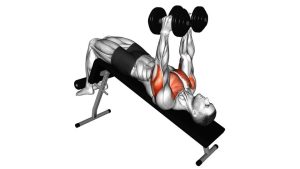
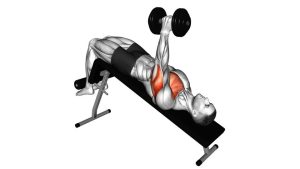
- Grip: Hold dumbbells with palms facing each other (neutral grip). Wrists straight and stacked.
- Start over chest: Dumbbells above mid-chest, elbows tucked ~30–45° from your torso.
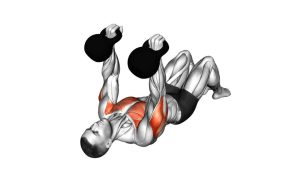
Tip: If you’re new or shoulder-sensitive, start with the dumbbell floor press to limit depth and build confidence.
Execution (Step-by-Step)
- Inhale and brace: Keep your torso steady and your shoulders packed (no shrugging).
- Lower with control: Bring dumbbells down toward the sides of your chest with elbows slightly tucked. Keep forearms close to vertical and wrists stacked.
- Hit a comfortable depth: Lower until you feel a strong chest stretch without shoulder pain. Avoid forcing extra range if your shoulders roll forward.
- Press up smoothly: Drive dumbbells upward to above mid-chest. Keep the neutral grip and avoid banging dumbbells together.
- Finish strong: Reach near full extension with soft elbows, maintaining shoulder stability.
Pro Tips & Common Mistakes
- Keep wrists stacked: Don’t let wrists bend back—stack knuckles over elbows.
- Elbows slightly tucked: Avoid extreme flare; neutral grip works best with a natural tuck.
- Control the eccentric: A 2–3 second lower builds chest tension and keeps shoulders safer.
- No bouncing: Don’t rebound off the bottom—pause briefly if you lose control.
- Don’t press “too high”: Press above mid-chest, not toward your face, to keep the line of force on the chest.
- Stay symmetrical: Dumbbells should rise evenly; if one arm lags, reduce load and rebuild balance.
FAQ
What’s the main benefit of the neutral (hammer) grip?
The neutral grip often feels more shoulder-friendly because it reduces excessive shoulder rotation and encourages a slightly tucked elbow path. It also increases triceps contribution while still heavily training the chest.
Where should I feel the Dumbbell Lying Hammer Press?
Most lifters feel it in the mid-chest with strong support from the triceps. If you feel mostly the front of the shoulder, reduce depth, slow down, and re-set your shoulder blades.
Can I do this exercise on the floor instead of a bench?
Yes—use the dumbbell floor press as a regression. The floor limits range of motion, which can be helpful for shoulder comfort and for learning stable pressing mechanics.
Should the dumbbells touch at the top?
Not necessary. Keep them close and stable, but don’t collide them. Think “press up and slightly in” only if it feels natural—control matters more than squeezing together.
How do I progress this exercise safely?
Add reps first (with identical form), then add small weight increases. If your shoulders shift forward, your wrists bend, or your range becomes sloppy, reduce load and tighten technique.
Recommended Equipment (Optional)
- Adjustable Dumbbells Set — convenient progression for home training without needing multiple pairs
- Flat Weight Bench — stable base for pressing with consistent range of motion
- Fat Grip / Dumbbell Grip Handles — adds a grip challenge and can improve dumbbell control
- Lifting Straps (Optional) — helpful if grip limits your pressing setup with heavy dumbbells
- Resistance Bands Set — great for warm-ups (band pull-aparts, shoulder prep) and chest finishers
Tip: If shoulder discomfort appears, try a slightly shorter range or switch to a floor press. The goal is strong pressing with stable shoulders, not maximum depth at any cost.