Dumbbell Lying One-Arm Press: Form, Benefits, Sets & Mistakes (Chest)
Learn the Dumbbell Lying One-Arm Press for chest strength, stability, and imbalance correction. Step-by-step form, sets & reps by goal, tips, FAQs, and recommended equipment.
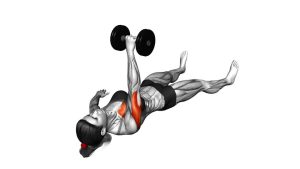
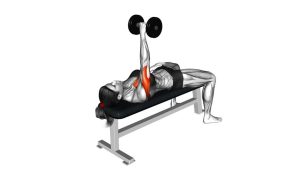
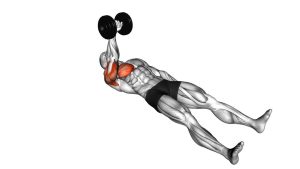
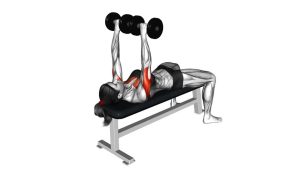
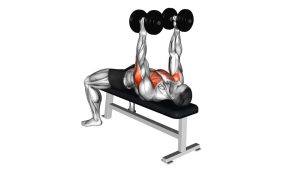
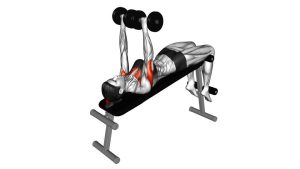
Dumbbell Lying One-Arm Press
This variation is perfect for lifters who want more chest stimulus with lighter loads, want to fix left-right strength differences, or need a press that teaches better control. The key challenge is resisting rotation: your core and glutes keep the ribcage and hips steady while your pressing arm does the work.
Quick Overview
| Body Part | Chest |
|---|---|
| Primary Muscle | Pectoralis major (chest) |
| Secondary Muscle | Triceps, anterior deltoid, core stabilizers (obliques / TVA) |
| Equipment | Dumbbell + flat bench (or floor). Optional: wrist wraps. |
| Difficulty | Beginner–Intermediate (form is simple, stability demand is higher) |
Sets & Reps (By Goal)
- Muscle growth (hypertrophy): 3–5 sets × 8–12 reps/side (60–90 sec rest)
- Strength + control: 4–6 sets × 4–8 reps/side (90–150 sec rest)
- Stability / imbalance focus: 2–4 sets × 10–15 reps/side (45–75 sec rest, strict tempo)
- Shoulder-friendly option (floor press): 3–4 sets × 6–10 reps/side (moderate load)
Progression rule: Add reps first while keeping your torso completely still. When you can hit the top of the rep range on both sides with clean control, increase the dumbbell by a small amount.
Setup / Starting Position
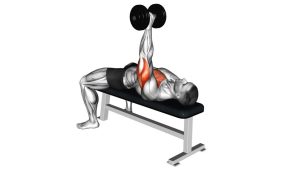
- Lie flat: Set your upper back on a flat bench (or lie on the floor). Plant feet firmly for stability.
- Brace your torso: Ribs down, light glute squeeze, abs tight—your job is to resist twisting.
- Press start position: Hold one dumbbell over your chest/shoulder line with the wrist stacked over the elbow.
- Shoulder packing: Gently pull shoulder blade “down and back” (stable, not extreme arching).
- Non-working arm: Keep it relaxed by your side or lightly on the bench for balance (don’t push hard).
Tip: If your shoulder feels cranky at the bottom, use the floor press version to limit range and increase stability.
Execution (Step-by-Step)
- Lower under control: Inhale and bring the dumbbell down toward the mid-to-lower chest area.
- Elbow path: Keep the elbow about 30–60° from your torso (avoid extreme flare).
- Stay square: Don’t rotate your ribcage or hips—keep your chest facing the ceiling.
- Press up: Exhale and press the dumbbell up to near full extension, finishing stacked over the shoulder/chest line.
- Reset and repeat: Pause briefly at the top, then repeat with the same path and tempo for all reps.
Pro Tips & Common Mistakes
- Press “up and slightly in”: Keep the dumbbell path smooth—don’t drift out wide.
- Keep wrist stacked: Neutral wrist alignment improves force transfer and protects the joint.
- Don’t chase a deep stretch: Stop where the shoulder stays packed and pain-free.
- Avoid torso rotation: The core challenge is the point—brace and stay square.
- No bouncing: Control the bottom and use a steady tempo (2–3 sec down works great).
- Match both sides: Start with your weaker side and let it set the reps/weight for both sides.
FAQ
Where should I feel the one-arm dumbbell press?
Mostly in the chest, with support from the triceps and front deltoid. You’ll also feel your core working to prevent your torso from twisting.
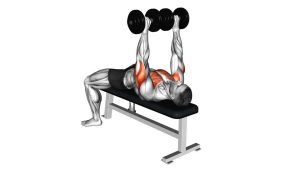
Is this better than a two-arm dumbbell bench press?
It’s not “better” for everything, but it’s excellent for fixing imbalances, improving stability, and getting a strong chest stimulus with lighter loads. For maximum loading, two-arm pressing is usually easier to progress.
Bench or floor—what should I choose?
Use a bench for full range of motion and more chest stretch. Use the floor press if you want a more shoulder-friendly option or you lose control at the bottom.
How do I stop my body from twisting?
Plant your feet, brace your abs like you’re preparing for a punch, and squeeze your glutes lightly. Lower slower and reduce load until you can keep the torso completely still.
Should I lock out at the top?
You can reach near full extension, but avoid a harsh lockout if it makes your shoulder shrug or your ribcage flare. Keep the top position stable, stacked, and controlled.
Recommended Equipment
- Adjustable Weight Bench — stable flat setup for pressing (and incline options for chest variety)
- Adjustable Dumbbells — fast progression without needing multiple pairs
- Rubber Hex Dumbbell Set — durable, easy to control, and safer to rest on the thigh/bench
- Wrist Wraps (Optional) — helpful if wrists fatigue before your chest does
- Thick Exercise Mat (For Floor Press) — improves comfort and stability if you train on the floor
Tip: If your bench feels unstable, your form will suffer. Prioritize a solid setup and controlled reps over heavier weight.