Band Front Lateral Raise: Proper Form, Sets, Tips & FAQ
Learn the Band Front Lateral Raise for stronger, better-shaped shoulders. Discover proper form, setup, sets and reps by goal, common mistakes, FAQs, and recommended equipment.
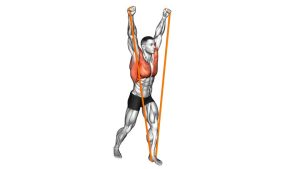
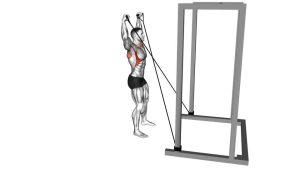
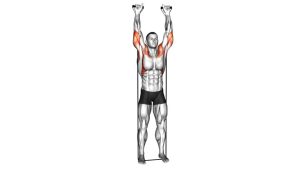
Band Front Lateral Raise
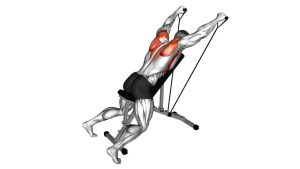
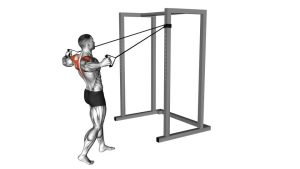
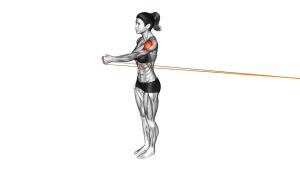
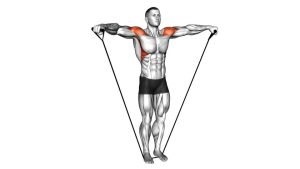
This movement is ideal for lifters who want a joint-friendly way to build shoulder size, improve front-delt control, and add variety to dumbbell raises. The band provides smooth, progressive tension, so the exercise feels easier near the bottom and more demanding as the arm approaches shoulder level. That makes it especially useful for higher-rep hypertrophy work, warm-ups, and home workouts.
Quick Overview
| Body Part | Front Shoulders |
|---|---|
| Primary Muscle | Anterior deltoid (front deltoid) |
| Secondary Muscle | Lateral deltoid, upper chest, upper traps (stabilizing), core |
| Equipment | Resistance band with handle or grip point, low anchor point optional |
| Difficulty | Beginner to Intermediate |
Sets & Reps (By Goal)
- Muscle growth: 3–4 sets × 10–15 reps per arm with 45–75 seconds rest
- Shoulder endurance: 2–4 sets × 15–20 reps per arm with 30–45 seconds rest
- Warm-up / activation: 2–3 sets × 10–12 smooth reps per arm with light tension
- Technique practice: 2–3 sets × 8–10 controlled reps focusing on tempo and shoulder position
Progression rule: First improve control, then add reps, then increase band tension. The goal is smooth shoulder work, not body swing.
Setup / Starting Position
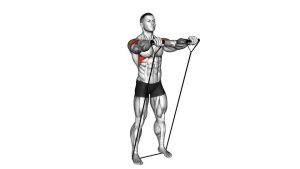
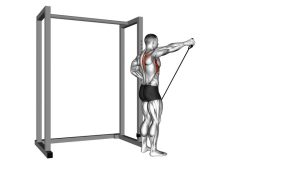
- Anchor the band low: Fix the band low behind your body or step on it securely, depending on the variation you use.
- Take your stance: Stand tall with feet about hip-width apart and knees softly bent.
- Grip the handle: Hold the band in one hand with the working arm down by your side or slightly in front of the thigh.
- Set the shoulder: Keep the chest up, ribs stacked, and shoulder blade controlled without shrugging.
- Brace your core: Tighten your midsection so the torso stays stable during the lift.
Tip: A staggered stance can make it easier to stay balanced and prevent leaning backward as the band tension increases.
Execution (Step-by-Step)
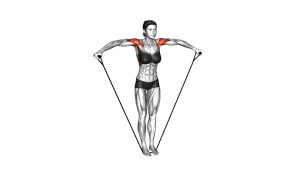
- Start from the bottom: Begin with the arm down, elbow slightly bent, palm facing inward or slightly down.
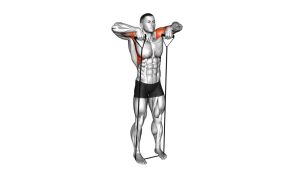
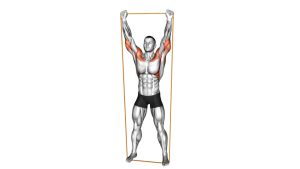
- Raise on a diagonal path: Lift the arm forward and slightly outward until it reaches about shoulder height.
- Keep the elbow soft: Maintain the same slight elbow bend throughout the rep instead of locking the arm straight.
- Pause briefly at the top: Squeeze the front delt without lifting the shoulder toward the ear.
- Lower slowly: Return the arm under control along the same path until you reach the starting position.
- Repeat evenly: Keep the tempo consistent and avoid letting the band snap you back down.
Pro Tips & Common Mistakes
- Raise only to shoulder height: Going much higher often shifts tension away from the target muscles and can irritate the shoulder.
- Use a slight diagonal path: This often feels more natural than a perfectly straight front raise and helps involve the side delt a bit more.
- Do not shrug: Keep the upper trap from taking over by keeping the neck long and shoulder relaxed.
- Avoid swinging: If you need momentum, reduce the band tension.
- Control the lowering phase: The eccentric portion helps build more tension and improves shoulder control.
- Keep the wrist neutral: Don’t let the hand curl backward as the band gets tighter.
- Train one side at a time if needed: Single-arm work can help you focus on cleaner mechanics and even shoulder development.
FAQ
What muscles does the Band Front Lateral Raise work?
The main target is the anterior deltoid. The lateral deltoid, upper chest, and core also assist depending on your arm path and setup.
Is this better than a dumbbell front raise?
It is not always better, but it offers a different resistance curve. Bands become more challenging as you lift, which can make the top portion feel especially effective.
Should I do this with one arm or both arms?
Both work well. A single-arm version often makes it easier to control posture, fix side-to-side imbalances, and focus on shoulder mechanics.
Why do I feel my traps more than my shoulders?
That usually happens when the band is too heavy, the shoulders shrug upward, or the torso starts helping. Lighten the resistance and slow the rep down.
Can beginners use this exercise?
Yes. Beginners usually do well with light resistance, smaller ranges of motion, and strict reps focused on shoulder control.
Recommended Equipment
- WHATAFIT Resistance Bands Set with Handles — versatile full set with handles and a door anchor for home shoulder training
- RitFit Single Resistance Exercise Band with Comfortable Handles — useful if you want a simpler single-band option for single-arm raises
- Resistance Band Door Anchor — helps create a stable low anchor point for cleaner setup and more repeatable reps
- LEEKEY Resistance Bands for Working Out — a good option if you prefer loop-style power bands for variable shoulder work
- ProsourceFit Tube Resistance Bands Set — includes door-anchor functionality and multiple resistance choices for progression
Choose a band that lets you reach shoulder height with clean control. Sets with handles and door anchors are especially practical for this exercise pattern.