BOSU Ball Push-Up (Chest Focus): Proper Form, Sets, Benefits & Tips
Build chest strength, shoulder stability, and core control with the BOSU Ball Push-Up. Learn correct form, step-by-step execution, sets by goal, common mistakes, FAQs, and equipment tips.
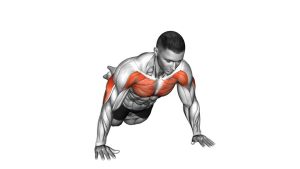
BOSU Ball Push-Up (Chest Focus)
This movement is best performed with clean, controlled reps rather than speed. Your goal is to keep the BOSU as steady as possible while maintaining a strong plank. If the BOSU shakes aggressively, widen your stance, shorten the range slightly, or regress to an incline.
Quick Overview
| Body Part | Chest |
|---|---|
| Primary Muscle | Pectoralis major (chest) |
| Secondary Muscle | Triceps, anterior deltoids, serratus anterior, core stabilizers |
| Equipment | BOSU ball (dome-side down / flat-side up) |
| Difficulty | Intermediate (advanced if tempo is slow or reps are high) |
Sets & Reps (By Goal)
- Chest strength (controlled reps): 3–5 sets × 4–8 reps (90–150 sec rest)
- Hypertrophy (chest + triceps): 3–4 sets × 8–15 reps (60–90 sec rest)
- Stability & core control: 2–4 sets × 6–12 reps (2–3 sec lower, 45–75 sec rest)
- Finisher / pump set: 1–2 sets × AMRAP leaving 1–2 reps in reserve
Progression rule: Add reps first while keeping the BOSU steady. Next, slow the tempo (3 seconds down) or add a 1–2 second pause near the bottom before increasing difficulty.
Setup / Starting Position
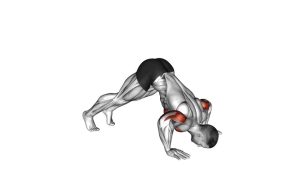
- Place the BOSU: Set it dome-side down so the flat platform is on top.
- Hand position: Put hands on the flat platform about shoulder-width (adjust for comfort).
- Foot stance: Start with feet slightly wider than hips for stability. Narrow later for more challenge.
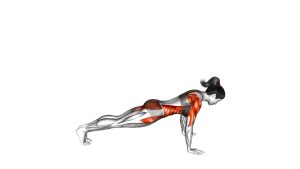
- Full-body plank: Squeeze glutes, brace abs, and keep a straight line from head to heels.
- Shoulders set: Think “push the floor away” with the upper back active, shoulders away from ears.
Tip: If wrists feel stressed, try turning hands slightly out, gripping the platform edges, or using push-up handles.
Execution (Step-by-Step)
- Inhale & brace: Tighten your core and keep your ribs down.
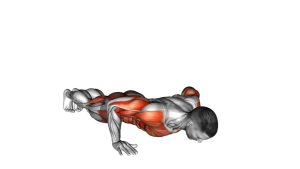
- Lower under control: Bend elbows and descend until your chest is close to the platform.
- Elbow path: Keep elbows about 30–45° from the torso (avoid extreme flare).
- Stay steady: Press evenly through both hands to minimize BOSU wobble.
- Press up: Exhale as you push back to the top plank without losing body alignment.
Pro Tips & Common Mistakes
- Press “through the palm”: Keep weight balanced across the whole hand, not just wrists.
- Control the descent: A slow eccentric increases chest tension and improves stability.
- Don’t let hips drop: Sagging shifts stress to the lower back and reduces chest loading.
- Avoid extreme elbow flare: Too wide often irritates shoulders and reduces power.
- Don’t bounce off the BOSU: Use muscle control, not momentum.
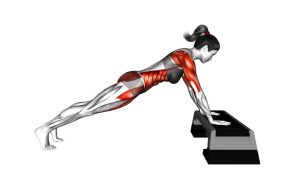
- Regress smartly: Use an incline (hands on bench + BOSU) before chasing max reps.
FAQ
Which side of the BOSU should be used for push-ups?
For this variation, place the BOSU dome-side down so the flat platform is on top. This gives a stable hand surface while still creating instability through the base.
Is the BOSU push-up better for chest or shoulders?
It’s still a chest-driven press, but the instability increases the demand on shoulder stabilizers and the serratus anterior. If you want more chest emphasis, keep elbows at 30–45° and use a slow eccentric.
How do I make it easier?
Widen your foot stance, shorten the range slightly, or perform an incline BOSU push-up (hands on BOSU, feet on floor with hands elevated via a bench/box).
How do I progress it?
Narrow the stance, slow the tempo (3 seconds down), add a pause near the bottom, or use a weighted vest once you can keep the BOSU steady for clean reps.
What if my wrists hurt during BOSU push-ups?
Try a slightly wider grip, rotate hands outward a little, warm up wrists, or use push-up handles. If pain persists, switch to dumbbell floor push-ups or a neutral-grip setup.
Recommended Equipment (Optional)
- BOSU Balance Trainer — the main tool for unstable push-ups, planks, and balance work
- Push-Up Handles (Neutral Grip) — reduces wrist stress and helps keep pressing mechanics clean
- Weighted Vest — easy progression once stability is solid (add load without changing form)
- Resistance Bands Set — great for warm-ups (band pull-aparts, face pulls) to support shoulder stability
- Non-Slip Exercise Mat — improves comfort and grip under knees/hands and helps keep the BOSU from sliding
Tip: Stability progressions work best when you keep reps clean. If a tool makes you wobble aggressively, regress and rebuild control before pushing volume.