Kettlebell Seated Shoulder Press: Proper Form, Sets, Benefits & FAQ
Learn the Kettlebell Seated Shoulder Press with proper form, setup, execution tips, sets by goal, common mistakes, FAQs, and recommended Amazon equipment for stronger, more stable shoulders.
Kettlebell Seated Shoulder Press
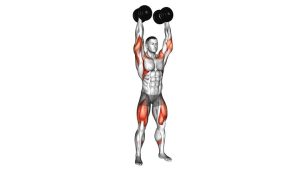
This exercise is ideal for lifters who want to improve shoulder size, overhead pressing strength, and joint control. The seated setup helps reduce cheating and encourages a cleaner movement path. Each rep should be pressed with control from the rack position to a stacked overhead finish, then lowered smoothly back to shoulder level without collapsing posture or overextending the lower back.
Quick Overview
| Body Part | Shoulders |
|---|---|
| Primary Muscle | Deltoids (especially front delts, with strong support from side delts) |
| Secondary Muscle | Triceps, upper traps, serratus anterior, upper chest, core stabilizers |
| Equipment | Kettlebells and a flat bench or stable seat with back unsupported or lightly supported |
| Difficulty | Intermediate |
Sets & Reps (By Goal)
- Muscle growth: 3–4 sets × 8–12 reps
- Strength: 4–5 sets × 4–6 reps
- Shoulder stability and control: 2–4 sets × 6–10 controlled reps
- General fitness: 2–3 sets × 10–15 reps
Progression rule: Increase weight only after you can complete all reps with a full range of motion, smooth lockout, and no excessive torso lean or loss of shoulder position.
Setup / Starting Position
- Sit tall on a bench: Plant both feet flat on the floor and keep your torso upright.
- Clean or bring the kettlebells to rack position: Hold one kettlebell in each hand at shoulder level with wrists neutral.
- Set the elbows: Keep them slightly in front of the body rather than flared straight out to the sides.
- Brace the core: Tighten your abs and glutes lightly to prevent excessive back arching.
- Start with shoulders packed: Keep the chest proud, neck neutral, and shoulder blades controlled.
Tip: A firm seated position helps you isolate the press and minimize momentum, making this variation excellent for technique work and balanced shoulder development.
Execution (Step-by-Step)
- Start from the rack: Hold the kettlebells at shoulder height with forearms vertical.
- Press upward: Drive the kettlebells overhead in a controlled arc while keeping the torso upright.
- Stack the top position: Finish with arms nearly straight and kettlebells balanced over the shoulders.
- Avoid shrugging excessively: Let the shoulders rotate naturally upward, but do not jam the neck.
- Lower under control: Bring the kettlebells back down slowly to shoulder level and reset before the next rep.
Pro Tips & Common Mistakes
- Keep the ribs down: Avoid turning the press into a standing-style backbend while seated.
- Press through a stable wrist: Don’t let the kettlebells fold your wrists backward.
- Use full-body tension: Even seated presses benefit from braced abs and active leg pressure into the floor.
- Control the eccentric: Lowering the kettlebells too fast can reduce shoulder tension and stability training.
- Don’t flare the elbows too wide: A slightly forward pressing angle is usually more shoulder-friendly.
- Pick the right load: Too much weight often leads to shortened range, wobbling lockouts, and poor overhead mechanics.
FAQ
What muscles does the kettlebell seated shoulder press work most?
The main target is the deltoids, especially the front delts, while the triceps help extend the elbows and the core stabilizes the torso throughout the press.
Why use kettlebells instead of dumbbells for seated shoulder presses?
Kettlebells have an offset center of mass, which increases the demand on shoulder stability, wrist control, and overall pressing coordination.
Should I use a bench with back support?
You can, but a more upright unsupported or lightly supported seat usually increases core involvement. Just make sure you can maintain proper posture and avoid leaning back excessively.
How heavy should I go?
Start with a weight you can press smoothly for clean reps without arching your back or losing control at lockout. Build volume and technique first, then increase the load gradually.
Is this exercise good for shoulder size?
Yes. When performed with sufficient volume and progressive overload, it is excellent for developing shoulder strength and upper-body pressing muscle, especially in the deltoids.
Recommended Equipment
- Adjustable Kettlebell — versatile option for progressive overload without buying multiple kettlebells
- Cast Iron Kettlebell Set — ideal for lifters who want dedicated weights for pressing and accessory work
- Flat or Adjustable Weight Bench — provides a stable seat for strict overhead pressing mechanics
- Weightlifting Chalk — helps improve grip security when kettlebells feel slick during pressing
- Resistance Bands Set — useful for shoulder warm-ups, activation drills, and upper-back support work
Tip: Pair your seated presses with mobility work and rear-delt or upper-back training for better overhead mechanics and more balanced shoulder development.