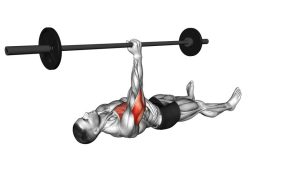
Barbell Leg Twist Press: Chest, Core Stability, Form & Tips
Learn the Barbell Leg Twist Press for chest strength, oblique control, and full-body stability. Step-by-step form, sets, mistakes, FAQs, and equipment.
Barbell Leg Twist Press
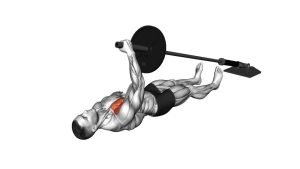
This exercise works best when the upper body and lower body move with discipline. Your chest should press the barbell smoothly while your core controls the legs from side to side. Because the legs are elevated, the abs must resist excessive extension. Because the legs twist, the obliques must slow the rotation and bring the body back to center. This makes the movement useful for advanced athletes who want a chest press variation with extra coordination and core demand.
Quick Overview
| Body Part | Chest |
|---|---|
| Primary Muscle | Pectoralis major |
| Secondary Muscle | Obliques, rectus abdominis, transverse abdominis, triceps, anterior deltoids, hip flexors |
| Equipment | Barbell, flat bench or exercise mat |
| Difficulty | Advanced |
Sets & Reps (By Goal)
- Technique practice: 2–3 sets × 4–6 reps per side using a very light barbell
- Core stability: 3–4 sets × 6–8 controlled reps per side with a slow tempo
- Chest and core strength: 3–4 sets × 6–10 total reps with moderate load
- Conditioning finisher: 2–3 sets × 8–12 total reps using light weight and strict control
Progression rule: Add reps before adding weight. The barbell should stay stable above the chest, and the legs should rotate without swinging or pulling the lower back off the bench or floor.
Setup / Starting Position
- Lie on your back: Set up on a flat bench or on the floor. Keep your head, upper back, and hips controlled throughout the movement.
- Grip the barbell: Hold the bar slightly wider than shoulder-width. Your wrists should stay stacked over your elbows, not bent backward.
- Set your shoulders: Pull your shoulder blades gently back and down. This creates a stable base for the press.
- Raise your legs: Lift both legs off the ground with knees slightly bent. Keep the thighs together and brace your abs before rotating.
- Brace before moving: Exhale lightly, tighten your core, and keep your ribs from flaring. The body should feel locked in before the first press or twist.
Start with an unloaded barbell or a very light fixed bar. This exercise becomes much harder when the legs are elevated because the core must stabilize the pelvis while the chest controls the bar.
Execution (Step-by-Step)
- Begin at the top: Hold the barbell above your chest with your arms extended but not forcefully locked. Keep the bar stacked over the mid-chest.
- Lower the bar with control: Bend your elbows and bring the bar down toward the chest. Keep your elbows slightly tucked instead of flaring them straight out.
- Press the bar up: Drive the bar upward until your arms return to the top position. Keep your chest engaged and avoid shrugging your shoulders.
- Rotate the legs to one side: With the bar stable above the chest, slowly move both legs to one side. Let the obliques control the descent.
- Stop before losing control: Do not force the legs to the floor. Stop when you can still keep your ribs down and your lower back controlled.
- Return to center: Pull the legs back to the middle using your abs and obliques. Avoid swinging or jerking the hips.
- Repeat on the other side: Perform the same controlled twist to the opposite side while keeping the barbell steady.
Pro Tips & Common Mistakes
- Use a slow leg twist: The core benefit comes from resisting momentum, not from throwing the legs side to side.
- Keep the bar over the chest: Do not let the bar drift toward your face or stomach. A steady bar path protects the shoulders and improves pressing mechanics.
- Avoid excessive lower-back arching: If your back lifts strongly, bend your knees more or reduce the range of the leg twist.
- Do not overload the bar: This is not a max-strength bench press. The rotation makes balance and control more important than heavy weight.
- Control your breathing: Exhale during the press and breathe lightly during the twist. Do not hold your breath so long that your body becomes rigid and shaky.
- Keep the shoulders packed: If your shoulders roll forward at the bottom of the press, reduce the weight and improve your setup.
- Shorten the range when needed: A smaller, cleaner twist is better than a large rotation that pulls the spine out of position.
FAQ
Is the Barbell Leg Twist Press a chest exercise or a core exercise?
It is both. The press mainly trains the chest, triceps, and front shoulders, while the leg twist strongly challenges the obliques and deep core. The exercise is best used as a chest-and-core stability movement.
Is this exercise good for beginners?
It is usually better for intermediate to advanced trainees. Beginners should first learn a standard barbell floor press, dead bug, lying leg raise, and controlled trunk rotation before combining them into one exercise.
How heavy should I go on the Barbell Leg Twist Press?
Start very light. Use a weight that allows the bar to stay steady while your legs rotate. If you need to swing the legs or fight the barbell, the load is too heavy.
Can I do this exercise on the floor?
Yes. The floor version may feel safer because the range of motion is slightly limited during the press. However, you still need enough space to rotate the legs without losing control.
What muscles should I feel working?
You should feel the chest during the press and the obliques during the leg twist. You may also feel your triceps, front shoulders, hip flexors, and deep abs working to stabilize the movement.
Why does my lower back lift during the twist?
Your legs may be moving too far, too fast, or too straight. Bend your knees slightly, reduce the rotation range, and brace your abs before each twist.
Recommended Equipment
- Standard Barbell — the main tool for performing the pressing portion of the movement
- Adjustable Weight Bench — provides a stable surface for controlled pressing and core work
- Thick Exercise Mat — useful for floor-based practice and lower-back comfort
- Barbell Collars / Clips — helps keep plates secure during pressing and rotation-based stability work
- Light Fixed Barbell — a safer option for learning the movement before progressing to heavier loading
Tip: Choose equipment that helps you control the movement, not equipment that encourages heavier loading too soon. Stability, smooth reps, and safe bar control matter most for this exercise.