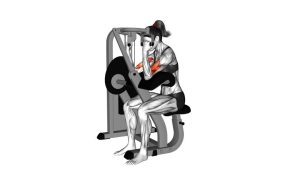
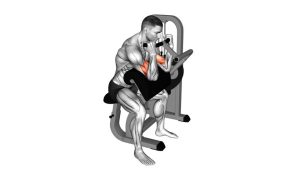
Barbell Prone Incline Curl: Form, Muscles Worked, Sets, Tips & FAQ
Learn how to do the Barbell Prone Incline Curl with strict form to isolate the biceps through a deep stretch. Includes muscles worked, setup, step-by-step execution, sets and reps, common mistakes, FAQs, and recommended equipment.
Barbell Prone Incline Curl
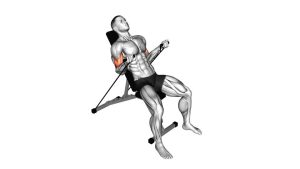
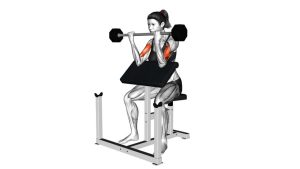
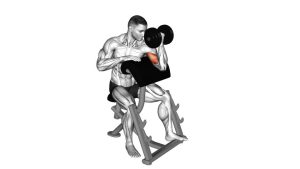
This variation is especially useful for lifters who want a stricter curl pattern than standing barbell curls. Because the chest stays supported on the bench, it is harder to swing the weight or recruit the hips and lower back. The result is a cleaner elbow-flexion pattern that emphasizes the biceps brachii, with extra value for lifters trying to improve mind-muscle connection and tension through the full range of motion.
Quick Overview
| Body Part | Biceps |
|---|---|
| Primary Muscle | Biceps brachii |
| Secondary Muscle | Brachialis, brachioradialis, forearms |
| Equipment | Barbell, incline bench |
| Difficulty | Intermediate (strict positioning makes lighter loads feel harder) |
Sets & Reps (By Goal)
- Muscle growth: 3–4 sets × 8–12 reps with controlled lowering
- Strength-focused isolation: 4–5 sets × 5–8 reps with strict form and full recovery
- Technique / mind-muscle connection: 2–3 sets × 10–15 reps with lighter weight and slower tempo
- Finisher after back or arm training: 2–3 sets × 12–15 reps with short rest
Progression rule: First improve form, then add reps, then add small amounts of load. The exercise works best when the bar moves smoothly without torso help.
Setup / Starting Position
- Set the bench: Adjust an incline bench to roughly 30–45 degrees.
- Lie prone: Position yourself chest-down with your sternum supported and your head in a neutral position.
- Plant your feet: Keep both feet stable on the floor for balance and body control.
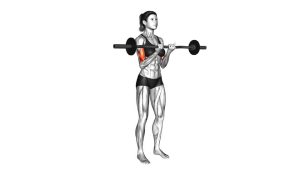
- Grip the barbell: Use a shoulder-width underhand grip with wrists kept as neutral as possible.
- Let the arms hang: Start with the arms extended toward the floor and the elbows pointing down, not flaring wide.
Tip: Before the first rep, lightly brace your torso into the bench and keep the shoulders relaxed so the curl starts from the elbows—not from shrugging or swinging.
Execution (Step-by-Step)
- Start from a dead hang: Let the bar settle under your shoulders with the elbows extended and the chest supported.
- Curl the bar upward: Flex at the elbows and bring the bar up in a smooth arc toward the upper chest.
- Keep the upper arms steady: Avoid turning the movement into a front raise or letting the shoulders take over.
- Squeeze at the top: Pause briefly when the biceps are fully contracted without losing position on the bench.
- Lower under control: Return the bar slowly to the starting position until the elbows are fully extended again.
- Repeat cleanly: Maintain the same bar path and tempo for every rep instead of chasing heavier weight with sloppy form.
Pro Tips & Common Mistakes
- Use less weight than standing curls: This version is stricter, so a lighter load is normal.
- Control the eccentric: The lowering phase is where a lot of the growth stimulus comes from.
- Don’t jam the wrists back: Keep the grip firm but natural to reduce unnecessary forearm strain.
- Avoid shoulder lifting: The bar should move because the elbows flex, not because the shoulders roll forward.
- Don’t bounce out of the bottom: Pause briefly in the stretched position if needed to remove momentum.
- Keep your chest connected to the bench: Lifting off the pad defeats the purpose of the exercise.
FAQ
What makes the Barbell Prone Incline Curl different from a regular barbell curl?
The incline bench support removes most of the body English that people often use in standing curls. That makes this variation stricter and better for isolating the biceps.
Which part of the biceps does this exercise emphasize most?
It strongly trains the biceps brachii overall and can create a great loaded stretch, which many lifters use to bias the long head effectively.
Should I use a straight bar or EZ curl bar for this movement?
A straight bar works well if your wrists feel comfortable. If a straight bar bothers your wrists or elbows, an EZ curl bar can be a friendlier option.
How heavy should I go?
Choose a load you can control for the full range of motion without swinging, shrugging, or lifting your chest off the bench. Strict reps matter more than absolute weight here.
Can beginners do this exercise?
Yes, but many beginners do better by first learning standard curls. This variation is best once you can control elbow position and tempo consistently.
Recommended Equipment
- EZ Curl Bar — a wrist-friendlier bar option for curl variations and arm-focused training
- Adjustable Incline Weight Bench — essential for setting the proper chest-supported incline position
- Barbell Collars — helps keep plates secure during curls and other upper-body lifts
- Olympic Weight Plates — useful for progressive loading once your technique is stable
- Lifting Straps — optional support if grip fatigue limits your control during strict arm work
Tip: For this exercise, prioritize a stable bench and comfortable grip setup before adding more load.