Bodyweight Kneeling Triceps Extension: Form, Sets, Tips & FAQ
Learn the Bodyweight Kneeling Triceps Extension with proper form, setup, sets by goal, common mistakes, FAQs, and recommended Amazon equipment for safer, more effective triceps training.
Bodyweight Kneeling Triceps Extension
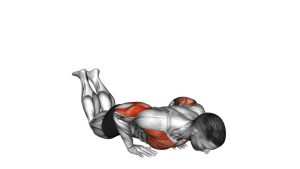
This exercise is especially useful for lifters who want a joint-friendly way to build arm strength using bodyweight resistance. It can work as a main triceps builder in minimalist training, a higher-rep accessory after pressing work, or a regression before harder bodyweight arm extensions. The best reps come from keeping the elbows fairly fixed, controlling the descent, and pressing up without letting the hips collapse or the shoulders drift forward.
Quick Overview
| Body Part | Triceps |
|---|---|
| Primary Muscle | Triceps brachii |
| Secondary Muscle | Anterior deltoids, chest stabilizers, core |
| Equipment | Bodyweight only; optional mat or knee padding |
| Difficulty | Beginner to Intermediate depending on torso angle and control |
Sets & Reps (By Goal)
- Muscle growth: 3–4 sets × 8–15 reps, resting 60–90 seconds
- Strength endurance: 2–4 sets × 12–20 reps, resting 45–75 seconds
- Technique practice: 2–3 sets × 6–10 slow reps, resting 60 seconds
- Finisher work: 1–2 sets close to technical failure with clean form
Progression rule: First improve control, then add reps, then make the angle harder by positioning the body farther forward or slowing the eccentric phase.
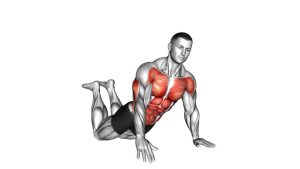
Setup / Starting Position
- Kneel on a soft surface: Use a mat or pad so you can stay stable and comfortable.
- Place forearms and hands on the floor: Keep them about shoulder-width or slightly narrower depending on comfort.
- Set the elbows under or slightly ahead of the shoulders: This creates a strong pressing path for the triceps.
- Brace the core: Keep ribs down and avoid arching the lower back.
- Start with the body in a straight line from shoulders to knees: Hips should stay controlled, not sagging.
Tip: Beginners can shorten the range or keep the torso slightly more upright. Stronger lifters can shift more bodyweight forward for a harder rep.
Execution (Step-by-Step)
- Lock in the starting position: Knees down, core tight, elbows tucked, and shoulders stable.
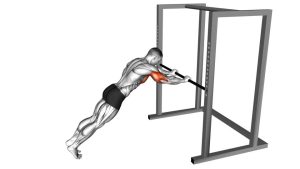
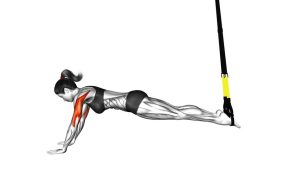
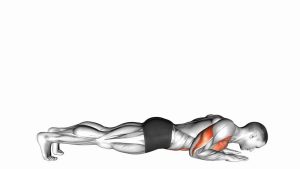
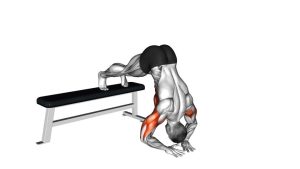
- Lower under control: Bend at the elbows and bring the head and upper torso toward the floor.
- Keep elbows mostly fixed: Let the movement happen primarily through elbow flexion rather than the shoulders drifting forward.
- Reach the bottom smoothly: Stop when you feel a strong triceps stretch and can still maintain control.
- Press back up: Extend the elbows to return to the starting position without bouncing.
- Finish tall through the arms: Squeeze the triceps at the top while keeping tension through the core.
Pro Tips & Common Mistakes
- Keep the elbows tucked: Flaring too wide shifts tension away from the triceps and can irritate the shoulders.
- Use a slow eccentric: Lowering in 2–4 seconds makes the exercise more effective and easier to control.
- Do not let the hips sag: A loose core turns the movement sloppy and reduces elbow-extension emphasis.
- Don’t rush the bottom: Dropping too quickly can stress the elbows and remove tension from the target muscle.
- Avoid turning it into a shoulder press: The triceps should drive the motion through elbow extension.
- Adjust range to your strength: Partial reps with perfect control are better than deep reps with bad mechanics.
FAQ
What muscles does the bodyweight kneeling triceps extension work?
The main target is the triceps brachii. The shoulders, chest stabilizers, and core help support the position, but elbow extension should be the main driver of the rep.
Is this exercise good for beginners?
Yes. It can be very beginner-friendly when done from the knees with a modest range of motion. You can make it easier by keeping the torso more upright and focusing on slow, clean reps.
How can I make kneeling triceps extensions harder?
Move your body slightly farther forward, increase the range of motion, pause at the bottom, or slow the eccentric. These changes increase the load without needing extra equipment.
Should I feel this more in my triceps or shoulders?
You should mainly feel it in the triceps. If the shoulders dominate, check your elbow path, reduce the range slightly, and keep your torso braced so the movement stays elbow-driven.
Can I use this instead of pushdowns or skull crushers?
Yes, especially for home workouts. It is a practical bodyweight substitute for direct triceps work, though the resistance profile is different from cables or free weights.
Recommended Equipment
- Amazon Basics Extra Thick Exercise Yoga Mat — useful for knee comfort and general floor training
- Gaiam Yoga Knee Pads — adds focused cushioning for knees, elbows, or forearms
- Fit Simplify Resistance Loop Exercise Bands — helpful for warm-ups, arm activation, and accessory triceps work
- Perfect Pushup Elite — useful if you want wrist-friendly push-up accessory work alongside triceps training
- Push-Up Bars / Handles — a solid option for expanding your bodyweight pressing setup at home
A thick mat, dedicated knee pads, resistance loop bands, and popular push-up handle options are all easy to find on Amazon, including listings for Amazon Basics mats, Gaiam knee pads, Fit Simplify loop bands, and Perfect Pushup Elite handles.