Cable Standing Front Raise Variation: Form, Sets, Tips & FAQ
Learn the Cable Standing Front Raise Variation for front delt isolation, constant tension, and better shoulder control. Includes setup, execution, sets by goal, common mistakes, FAQ, and recommended equipment.
Cable Standing Front Raise Variation
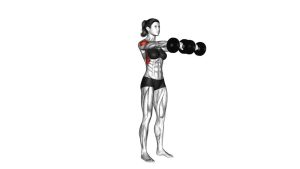
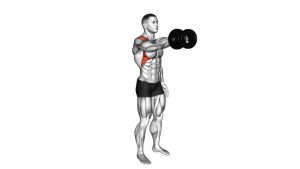
This exercise works best when performed with a strict torso, a soft bend in the elbows, and a controlled arc in front of the body. Compared with dumbbell front raises, the cable can make the movement feel more challenging through a larger portion of the range of motion. Keep your core braced, chest lifted, and avoid using momentum to move the weight.
Quick Overview
| Body Part | Front Shoulders |
|---|---|
| Primary Muscle | Anterior deltoid (front deltoid) |
| Secondary Muscle | Upper chest, serratus anterior, upper traps (stabilizing), core |
| Equipment | Cable machine with low pulley, straight bar or handle attachment |
| Difficulty | Beginner to Intermediate |
Sets & Reps (By Goal)
- Muscle growth: 3–4 sets × 10–15 reps, 45–75 seconds rest
- Shoulder control and clean technique: 2–4 sets × 8–12 reps, slow tempo, 45–60 seconds rest
- Light activation before pressing: 2–3 sets × 12–15 reps, moderate effort, 30–45 seconds rest
- Higher-rep shoulder finisher: 2–3 sets × 15–20 reps, lighter load, controlled motion
Progression rule: Add reps first, then increase the cable load slightly once you can reach the top position without torso swing, shoulder shrugging, or loss of control.
Setup / Starting Position
- Set the pulley low: Attach a straight bar, short bar, or single handle to the low cable pulley.
- Take your grip: Use an overhand grip if using a bar, or a neutral grip if using a single handle variation.
- Stand tall: Position your feet about shoulder-width apart with the handle starting near your thighs.
- Brace the torso: Keep your chest up, ribs stacked, core engaged, and shoulders relaxed.
- Unlock the elbows slightly: Maintain a soft bend rather than fully locking the arms straight.
Tip: Step back just enough to keep tension on the cable at the bottom without pulling your body out of alignment.
Execution (Step-by-Step)
- Start from the thighs: Begin with the attachment in front of your upper thighs and your torso fully upright.
- Raise forward in an arc: Lift the handle or bar forward and upward using your front delts, keeping the motion smooth.
- Stop near shoulder height: Bring your hands to about shoulder level without turning it into a full overhead raise.
- Pause briefly: Control the top position for a moment without shrugging your shoulders upward.
- Lower slowly: Return the handle to the starting position under control and keep tension on the delts throughout.
Pro Tips & Common Mistakes
- Lift with the shoulders, not momentum: Avoid swinging the torso or using hip drive.
- Stop at shoulder height: Going much higher can shift tension and may irritate some shoulders.
- Keep the elbows softly bent: This reduces joint stress and helps maintain a smooth movement path.
- Do not shrug: Keep the upper traps from dominating the movement.
- Control the lowering phase: The eccentric portion helps increase time under tension and improves technique.
- Use moderate loads: Front raises respond well to strict reps rather than heavy cheating.
- Keep wrists neutral: Do not curl the wrists upward to finish the rep.
FAQ
What muscle does the Cable Standing Front Raise Variation target most?
The main target is the anterior deltoid, which is the front portion of the shoulder. It also involves stabilizers such as the upper chest, core, and serratus anterior.
Is cable front raise better than dumbbell front raise?
Neither is universally better, but the cable variation provides more continuous tension through the rep. That can make it especially useful for hypertrophy and controlled isolation work.
Should I raise above shoulder height?
In most cases, shoulder height is enough. Raising much higher can reduce the quality of the isolation and may feel less comfortable for some lifters.
Can beginners use this exercise?
Yes. Beginners can use this exercise effectively as long as they start with a light load and focus on strict form, smooth tempo, and no body swing.
Where should I feel it?
You should mainly feel it in the front of the shoulders. If you feel mostly neck tension or lower-back strain, adjust your posture and reduce the weight.
Recommended Equipment
- Shoulder Resistance Bands — useful for warm-ups, front delt activation, and shoulder volume work
- Cable Wrist Cuffs — a helpful option for reducing grip involvement and improving shoulder isolation
- D-Handle Cable Attachment — ideal for single-arm cable front raise variations and better arm-by-arm control
- Home Gym Pulley System — useful if you want to perform cable raise variations at home
- Cable Handles — versatile attachments for shoulder, arm, and upper-body cable exercises
Choose equipment that supports smooth motion, shoulder comfort, and controlled resistance. For this exercise, clean mechanics matter more than heavy loading.