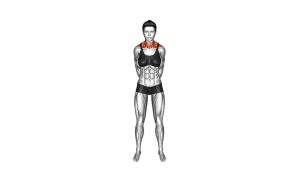
Chin-to-Chest Stretch: Neck Mobility Form, Benefits, Tips & FAQ
Learn the Chin-to-Chest Stretch for gentle neck mobility, upper-neck tension relief, safe form, sets by goal, mistakes, FAQs, and gear.
Chin-to-Chest Stretch
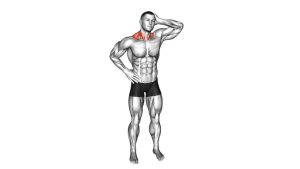
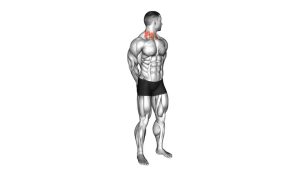
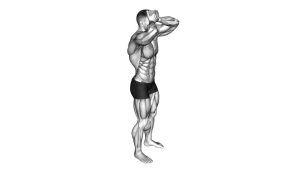
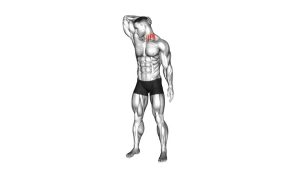
This exercise is best used as a gentle mobility or stretching drill. Since the video shows a controlled chin-lowering movement without hands, weights, or equipment, the goal is not heavy strengthening. Instead, the goal is to move the neck through a comfortable range while keeping the shoulders quiet and the torso still.
Additionally, this stretch works well during a warm-up, a desk break, or a cooldown. However, every repetition should stay pain-free. Move slowly, breathe normally, and stop before the stretch becomes sharp or uncomfortable.
Quick Overview
| Body Part | Neck |
|---|---|
| Primary Muscle | Posterior neck muscles |
| Secondary Muscle | Upper cervical stabilizers and general cervical mobility muscles |
| Equipment | None |
| Difficulty | Beginner |
Sets & Reps (By Goal)
- Daily neck mobility: 1–3 sets × 5–8 slow reps
- Desk break reset: 1–2 sets × 4–6 reps with calm breathing
- Warm-up preparation: 1–2 sets × 6–10 controlled reps
- Gentle stretch focus: 2–3 sets × 15–30 second total time under control
Progression rule: First improve smooth control and comfort. After that, add a slightly longer pause at the bottom instead of forcing the chin deeper.
Setup / Starting Position
- Stand upright: Keep your feet planted and your body balanced.
- Set a tall posture: Keep the torso still, the chest relaxed, and the spine naturally upright.
- Relax your shoulders: Let both arms rest comfortably by your sides.
- Start with your head neutral: Face forward before beginning the movement.
- Breathe calmly: Avoid bracing, jaw clenching, or rushing into the stretch.
In the uploaded video, the movement starts from a standing position with no visible external support or equipment.
Execution (Step-by-Step)
- Begin from neutral: Stand tall with your head facing forward and shoulders relaxed.
- Lower the chin slowly: Gently move the chin down toward the chest.
- Keep the torso still: Do not round the upper back or lean the body forward.
- Pause briefly: Hold the bottom position only within a comfortable stretch range.
- Return with control: Slowly lift the head back to neutral without snapping or rushing.
Pro Tips & Common Mistakes
- Move slowly: A smooth tempo makes the stretch safer and more controlled.
- Do not force the chin down: The stretch should feel gentle, not aggressive.
- Keep the shoulders relaxed: Shrugging can reduce the quality of the stretch.
- Avoid bouncing: Instead, pause briefly and return smoothly.
- Keep breathing: Holding your breath can increase unnecessary tension.
- Stop before pain: Mild stretching is acceptable, but sharp discomfort is not.
- Use a smaller range if needed: A partial chin-lowering motion is better than a forced full range.
FAQ
What does the Chin-to-Chest Stretch target?
It mainly stretches the back of the neck while moving the cervical spine into gentle flexion. Additionally, it can help improve awareness and control of neck movement.
Is this the same as an assisted chin tuck?
No. In the uploaded video, the chin moves downward toward the chest. A chin tuck usually moves the chin straight backward while keeping the face more level.
Should my chin touch my chest?
Not necessarily. Your goal is a comfortable stretch, not maximum range. Therefore, stop where you feel gentle tension without pain.
Can I do this stretch every day?
Many people can perform gentle neck mobility daily. However, reduce the frequency or range if you feel soreness, headaches, dizziness, or irritation afterward.
Who should be careful with this exercise?
Anyone with recent neck injury, nerve symptoms, dizziness, severe pain, or unexplained headaches should avoid forcing this movement and seek professional guidance.
Recommended Equipment (Optional)
- Yoga Mat — useful for comfortable mobility sessions and floor-based stretching routines
- Foam Roller — helpful for upper-back relaxation before neck mobility work
- Cervical Neck Pillow — supports better neck positioning during rest and recovery
- Massage Ball Set — can help release surrounding upper-back and shoulder tension
- Resistance Bands Set — useful for pairing neck mobility with posture-focused upper-back exercises
Tip: Equipment is optional for this exercise. Since the video shows a no-equipment neck stretch, these tools are best used for comfort, posture support, and complementary mobility work.