Dumbbell Bent-Over Curl: Proper Form, Sets, Tips & FAQ
Learn how to perform the Dumbbell Bent-Over Curl with proper form to target the biceps through a deep stretch and strict range of motion. Includes setup, execution, sets by goal, mistakes, FAQs, and recommended equipment.
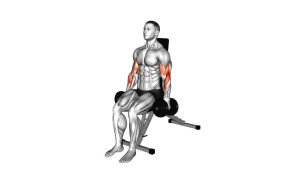
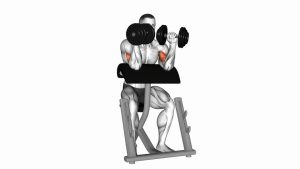
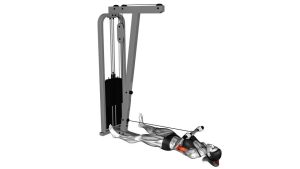
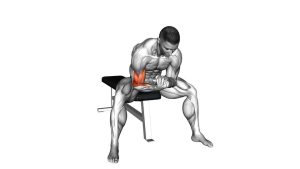
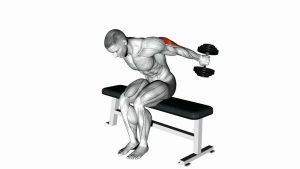
Dumbbell Bent-Over Curl
This exercise works best when you keep the movement strict and avoid turning it into a swing. The bent-over position naturally limits cheating and helps you feel the biceps working through a fuller range. You should feel strong tension through the front of the upper arms, especially during the squeeze and the controlled eccentric.
Quick Overview
| Body Part | Biceps |
|---|---|
| Primary Muscle | Biceps brachii |
| Secondary Muscle | Brachialis, brachioradialis, forearms, core, rear delts, lower back stabilizers |
| Equipment | Dumbbells |
| Difficulty | Beginner to Intermediate |
Sets & Reps (By Goal)
- Muscle growth: 3–4 sets × 8–12 reps with controlled tempo and 60–90 sec rest
- Strength-focused arm work: 4–5 sets × 6–8 reps with heavier dumbbells and 90–120 sec rest
- Technique and mind-muscle connection: 2–3 sets × 10–15 reps with lighter weight and a slow eccentric
- Finisher / pump work: 2–3 sets × 12–15 reps with short rest and strict form
Progression rule: Add reps first, then increase weight once you can keep the torso stable, avoid swinging, and control the lowering phase on every rep.
Setup / Starting Position
- Hold a dumbbell in each hand: Stand tall with feet about hip- to shoulder-width apart.
- Hinge at the hips: Push the hips back and lean the torso forward until you reach a comfortable bent-over angle.
- Maintain a neutral spine: Keep your chest open, core braced, and neck aligned with the rest of the spine.
- Let the arms hang naturally: Start with the dumbbells below the shoulders and elbows extended.
- Set your shoulders: Keep them stable and avoid shrugging as you prepare to curl.
Tip: Use a slightly softer knee bend and firm core brace to create a more stable base throughout the set.
Execution (Step-by-Step)
- Lock in your bent-over stance: Keep the torso fixed and the elbows close to the body.
- Begin the curl: Flex at the elbows and raise the dumbbells upward in a smooth arc.
- Keep the upper arms quiet: Avoid letting the shoulders take over or the elbows drift excessively forward.
- Squeeze at the top: Pause briefly when the dumbbells reach the highest point you can control.
- Lower slowly: Extend the elbows under control and resist gravity during the eccentric phase.
- Reset and repeat: Return to full extension without losing your torso angle or posture.
Pro Tips & Common Mistakes
- Keep the hinge position steady: Don’t stand up as you curl.
- Use control, not momentum: Swinging the dumbbells reduces biceps tension.
- Emphasize the eccentric: A slow lowering phase improves muscle stimulus.
- Don’t shrug the shoulders: Keep the traps relaxed and the shoulders stable.
- Avoid hyperextending the wrists: Keep the wrists stacked and neutral.
- Use a manageable load: Strict reps with moderate weight usually outperform sloppy heavy reps.
- Keep elbows close: Excessive elbow travel turns it into more of a front raise-curl hybrid.
FAQ
What makes the dumbbell bent-over curl different from a standard curl?
The bent-over position reduces momentum and increases the stretch on the biceps, which can improve isolation and make the exercise feel stricter than a regular standing curl.
Which part of the biceps does this exercise emphasize?
It primarily trains the biceps brachii, with strong overall biceps involvement and a useful stretch-based stimulus. Because of the torso angle, many lifters feel excellent tension through the upper arm during the full rep.
Should I curl both dumbbells at the same time or alternate them?
Both work well. Curling both together saves time and increases total tension, while alternating reps can help you focus more on each arm individually and maintain better control.
How heavy should I go on this exercise?
Use a weight that allows you to keep your torso fixed and complete the eccentric under control. This is usually better performed with moderate dumbbells rather than very heavy ones.
Is this exercise good for muscle growth?
Yes. When performed with strict form, full control, and enough weekly volume, it can be a very effective biceps hypertrophy exercise.
Recommended Equipment
- Adjustable Dumbbells — ideal for progressive overload and home arm training
- Best-Selling Fitness Dumbbells — useful if you want fixed-weight options for dedicated curl work
- Weightlifting Gloves — can improve grip comfort and reduce palm fatigue during higher-rep sets
- Exercise Equipment Mats — helpful for protecting flooring in home gym setups
- Exercise Mat — useful for creating a more stable and comfortable training area
Tip: Prioritize dumbbells first, then add support items like gloves or mats if they improve comfort and consistency.