Dumbbell Lunge with Bicep Curl: Form, Sets, Tips & FAQ
Learn how to do the Dumbbell Lunge with Bicep Curl with proper form, setup, reps by goal, common mistakes, FAQs, and recommended equipment for better strength, balance, and coordination.
Dumbbell Lunge with Bicep Curl
This exercise works best when both halves of the movement stay clean. The lower body should handle the lunge with a stable front foot and controlled descent, while the upper body performs the curl with elbows close to the torso and minimal momentum. Keep your chest tall, core braced, and tempo steady.
Quick Overview
Sets & Reps (By Goal)
- General strength: 3–4 sets × 8–10 reps per side
- Muscle building: 3–4 sets × 10–12 reps per side
- Coordination and control: 2–3 sets × 6–8 reps per side with slower tempo
- Conditioning circuit: 2–3 sets × 10–14 alternating reps total with light-to-moderate weight
Progression rule: Add reps first, then increase dumbbell load only when you can keep the lunge stable and the curl strict from start to finish.
Setup / Starting Position
- Stand tall: Hold a dumbbell in each hand at your sides with palms facing forward or slightly turned in.
- Set posture: Keep your chest up, shoulders down, and core engaged.
- Feet under control: Start with feet hip-width apart so you have room to step forward without crossing your line.
- Arms ready: Let the dumbbells hang naturally with elbows close to your sides.
- Eyes forward: Keep your head neutral and focus on staying balanced as you move.
Tip: Start with lighter dumbbells than you would use for a normal standing curl. The lunge makes the movement more demanding.
Execution (Step-by-Step)
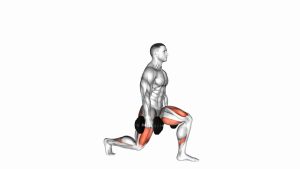
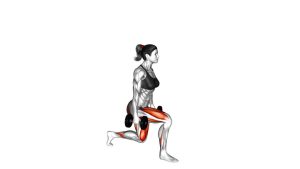
- Step forward: Take a controlled step forward with one leg and plant the whole foot firmly.
- Lower into the lunge: Bend both knees until the front knee is stacked over the ankle and the back knee moves toward the floor.
- Curl the dumbbells: As you descend, bend your elbows and curl the weights toward your shoulders without swinging.
- Reach the bottom position: Pause briefly when the lunge is stable and the biceps are fully contracted.
- Stand back up: Push through the front heel to return upward while lowering the dumbbells under control.
- Return to start: Step the front foot back into your original stance and reset before switching sides.
Pro Tips & Common Mistakes
- Keep elbows close: Don’t let them drift forward during the curl.
- Use full-foot pressure: Plant the front foot firmly so the lunge stays stable.
- Stay upright: Avoid collapsing the chest or leaning too far forward.
- Don’t swing the weights: The biceps should lift the dumbbells, not momentum.
- Control the lowering phase: Lower the dumbbells gradually as you rise out of the lunge.
- Watch knee tracking: The front knee should track in line with the toes, not cave inward.
- Use shorter steps if needed: An overly long or short step can throw off mechanics and balance.
FAQ
What muscles does the Dumbbell Lunge with Bicep Curl work?
It mainly trains the quads, glutes, and biceps. It also challenges the core, calves, hamstrings, and forearms because you need to stabilize the body while moving.
Should I curl on the way down or on the way up?
A common and effective rhythm is to curl as you lower into the lunge and lower the dumbbells as you stand back up. The most important thing is staying controlled and consistent.
Is this better than doing lunges and curls separately?
It depends on your goal. Combining them is great for coordination, efficiency, and total-body training. Doing them separately may let you use more load and focus more on each movement individually.
Can beginners do this exercise?
Yes, as long as they use light dumbbells and learn the lunge pattern first. If balance is an issue, practice bodyweight lunges and standing dumbbell curls separately before combining them.
How do I make it harder?
You can increase the dumbbell weight, add reps, slow the tempo, or use alternating continuous reps with minimal rest. Only progress when your form stays clean.
Recommended Equipment
- Adjustable Dumbbells — versatile and space-saving for lunges, curls, presses, rows, and more
- Adjustable Workout Bench — useful if you want to pair this exercise with seated curls, presses, or other dumbbell work
- Resistance Bands Set — great for warm-ups, mobility work, and adding variety to arm and leg training
- Weightlifting Gloves — can improve grip comfort during higher-rep dumbbell training
- Exercise Mat — helpful for home workouts, warm-ups, stretching, and floor-based accessory movements
Tip: Choose dumbbells that let you control both the lunge and curl without wobbling. Smooth reps are more valuable than heavier reps done with momentum.