Dumbbell One-Arm Standing Curl: Proper Form, Sets, Tips & FAQ
Learn how to do the Dumbbell One-Arm Standing Curl with proper form. Discover muscles worked, setup, step-by-step execution, sets and reps by goal, common mistakes, FAQs, and recommended equipment.
Dumbbell One-Arm Standing Curl
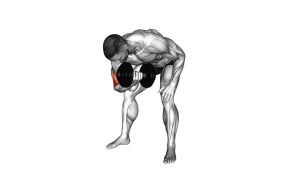
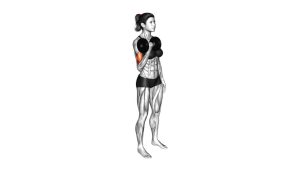
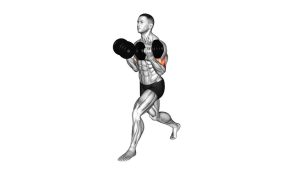
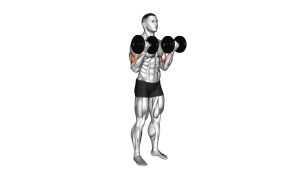
This curl variation works best when each rep is performed with strict control rather than momentum. The goal is to move the dumbbell through a full, smooth range of motion while keeping the torso stable and the working arm close to the body. Because you train one side at a time, this version is excellent for improving arm symmetry, strengthening the biceps evenly, and reinforcing better lifting mechanics.
Quick Overview
| Body Part | Biceps |
|---|---|
| Primary Muscle | Biceps brachii |
| Secondary Muscle | Brachialis, brachioradialis, forearm flexors |
| Equipment | One dumbbell |
| Difficulty | Beginner to Intermediate |
Sets & Reps (By Goal)
- Muscle growth: 3–4 sets × 8–12 reps per arm with 60–90 seconds rest
- Strength focus: 4–5 sets × 5–8 reps per arm with 90–120 seconds rest
- Muscle endurance: 2–3 sets × 12–20 reps per arm with 30–60 seconds rest
- Technique and control: 2–3 sets × 10–12 reps per arm using slow tempo and moderate load
Progression rule: Increase the weight only when you can complete all reps with full range of motion, no torso swing, and a controlled lowering phase on every repetition.
Setup / Starting Position
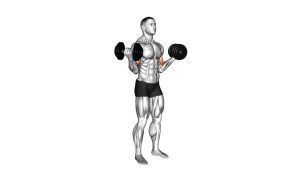
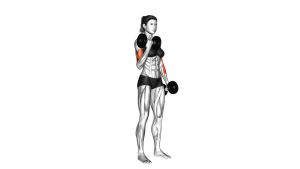
- Stand tall: Position your feet about hip-width to shoulder-width apart with your chest up and core braced.
- Hold one dumbbell: Let the weight hang at your side with your arm fully extended and palm facing inward or slightly forward.
- Set the elbow: Keep the elbow close to your torso without pinning it too hard against your body.
- Relax the shoulder: Keep the shoulder down and back to prevent shrugging during the curl.
- Start from control: Before lifting, make sure your torso is still and your wrist is in a neutral, strong position.
Tip: Slightly squeezing the free hand or bracing your abs can help keep the torso stable and reduce cheating.
Execution (Step-by-Step)
- Begin the curl: Flex the elbow and raise the dumbbell upward in a smooth arc while keeping the upper arm mostly still.
- Rotate as needed: As the weight comes up, gradually supinate the forearm so the palm turns more upward.
- Keep the elbow close: Avoid letting the elbow drift too far forward or away from the torso.
- Reach peak contraction: Curl until the dumbbell approaches shoulder height and squeeze the biceps briefly at the top.
- Lower under control: Slowly extend the elbow and return the dumbbell to the starting position without dropping it.
- Reset and repeat: Pause briefly at the bottom to remove momentum before starting the next repetition.
Pro Tips & Common Mistakes
- Keep your upper arm quiet: Too much shoulder movement reduces tension on the biceps.
- Do not swing the dumbbell: Momentum shifts the work away from the target muscle.
- Control the eccentric: Lowering the weight slowly improves tension and muscle-building stimulus.
- Use full range of motion: Start from near full elbow extension and curl all the way up with control.
- Do not bend the wrist excessively: Keep the wrist stacked to avoid unnecessary strain.
- Match both sides: Use the same reps, tempo, and form quality for each arm to reduce imbalances.
- Choose the right load: If you have to lean back to finish reps, the dumbbell is too heavy.
FAQ
What muscles does the Dumbbell One-Arm Standing Curl work?
It primarily targets the biceps brachii. The brachialis, brachioradialis, and forearm muscles also assist during the movement.
Is it better to curl one arm at a time?
Training one arm at a time can improve focus, help correct left-to-right strength differences, and make it easier to maintain strict technique on every repetition.
Should I turn my palm up during the curl?
Yes, a gradual turn into supination usually helps the biceps contribute more effectively. Many lifters start with the palm neutral and rotate the hand upward as they curl.
How heavy should I go on this exercise?
Use a weight that lets you keep your torso still, elbow controlled, and lowering phase smooth. If you need to swing or lean back, reduce the load.
Can beginners use the Dumbbell One-Arm Standing Curl?
Yes. It is a beginner-friendly exercise because it is simple to learn, easy to scale, and very effective for developing basic biceps strength and control.
Recommended Equipment
- Adjustable Dumbbell — ideal for progressive overload without needing a full rack of weights
- Rubber Hex Dumbbell — durable and stable for home or gym biceps training
- Weightlifting Gloves — helpful for improving grip comfort during higher-volume arm sessions
- Wrist Wraps for Lifting — useful if you want extra wrist support during curls and other upper-body work
- Adjustable Weight Bench — useful for pairing curls with incline curls, concentration curls, and other dumbbell arm exercises
Tip: For this exercise, the most important piece of equipment is a dumbbell you can control through the full range without swinging.