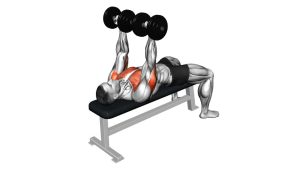
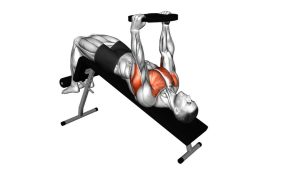
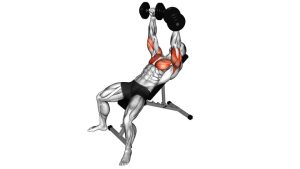
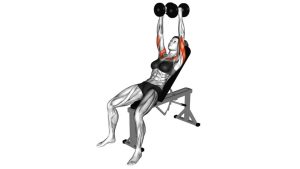
Dumbbell Palms-In Incline Bench Press: Form, Muscles, Sets & FAQ
Learn the Dumbbell Palms-In Incline Bench Press for upper chest, triceps, and shoulder-friendly pressing strength. Includes setup, execution, mistakes, FAQs, and recommended equipment.
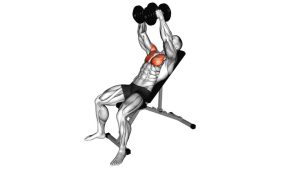
Dumbbell Palms-In Incline Bench Press
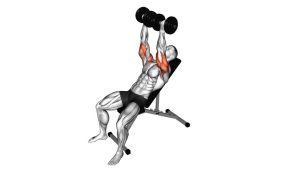
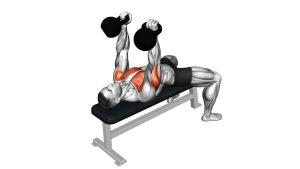
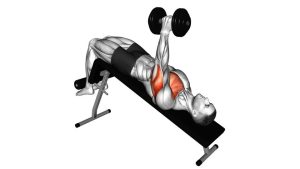
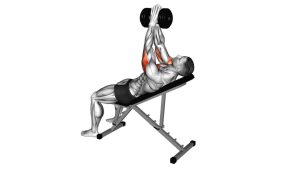
This exercise works best when the bench angle is moderate, the shoulder blades stay stable, and the dumbbells move through a smooth pressing path. Instead of flaring the elbows wide, keep them slightly tucked. Then, press the weights up and in until they finish above the upper chest. For best results, use a weight that allows full control during both the press and the lowering phase.
Quick Overview
| Body Part | Chest |
|---|---|
| Primary Muscle | Upper chest / clavicular head of pectoralis major |
| Secondary Muscle | Triceps brachii, anterior deltoids, serratus anterior, rotator cuff stabilizers |
| Equipment | Dumbbells and adjustable incline bench |
| Difficulty | Intermediate because it requires shoulder stability, dumbbell control, and proper incline pressing mechanics |
Sets & Reps (By Goal)
- Muscle growth: 3–4 sets × 8–12 reps with a controlled 2–3 second lowering phase.
- Strength focus: 4–5 sets × 5–8 reps using heavier dumbbells while maintaining clean elbow tracking.
- Upper chest activation: 3 sets × 10–15 reps with moderate weight and a brief squeeze at the top.
- Beginner technique practice: 2–3 sets × 8–10 reps using light dumbbells and slow tempo.
- Finisher / pump work: 2–3 sets × 12–20 reps with shorter rest and constant chest tension.
Progression rule: Add reps first. Once you can complete the top end of the rep range with stable wrists, controlled shoulders, and no bouncing, increase the dumbbell weight slightly.
Setup / Starting Position
- Set the bench angle: Adjust the bench to about 30–45 degrees. A lower incline usually keeps more tension on the upper chest, while a very steep angle may shift more work to the shoulders.
- Pick up the dumbbells safely: Sit on the bench with the dumbbells resting on your thighs. Then, use your legs to help guide the weights into position.
- Lie back with control: Keep your feet planted, glutes on the bench, and upper back stable against the pad.
- Set your shoulder blades: Pull the shoulder blades gently back and down. This creates a stable base for pressing.
- Use a palms-in grip: Hold the dumbbells so your palms face each other and your wrists stay neutral.
- Start at upper chest level: Position the dumbbells near the outside of the upper chest with elbows bent and slightly tucked.
Tip: Before pressing, check that your wrists are straight, elbows are under the dumbbells, and shoulders do not roll forward.
Execution (Step-by-Step)
- Brace lightly: Keep your ribs controlled, feet firm, and upper back tight against the incline bench.
- Press the dumbbells upward: Drive the weights up from the upper chest while keeping the palms facing each other.
- Guide the dumbbells slightly inward: As your elbows extend, allow the dumbbells to move toward each other without crashing together.
- Stop before aggressive lockout: Finish with the arms nearly straight, but avoid snapping the elbows hard at the top.
- Lower with control: Bring the dumbbells back down slowly until they return near upper chest level.
- Keep the elbows tucked: During the descent, let the elbows bend naturally while staying slightly closer to the body than a regular incline press.
- Repeat smoothly: Maintain the same path on every rep. In addition, avoid bouncing out of the bottom position.
Pro Tips & Common Mistakes
- Use a moderate incline: A 30–45 degree bench angle usually targets the upper chest without turning the movement into mostly a shoulder press.
- Keep the palms facing in: The neutral grip is the main feature of this variation, so avoid rotating into a regular palms-forward press.
- Do not flare the elbows: Wide elbows can increase shoulder stress. Instead, keep the elbows slightly tucked and aligned under the dumbbells.
- Avoid bouncing at the bottom: Lower under control, pause briefly if needed, and press from muscle tension rather than momentum.
- Do not touch the dumbbells hard at the top: Bring them close, but keep tension in the chest instead of relaxing when they meet.
- Keep your wrists stacked: Bent wrists reduce pressing power and may irritate the joints. Therefore, keep the knuckles pointing upward and the wrists firm.
- Control your rib position: Excessive arching can shift the angle and reduce upper chest focus.
- Choose the right load: If the dumbbells wobble, your shoulders shrug, or your reps become uneven, the weight is too heavy.
FAQ
What muscles does the Dumbbell Palms-In Incline Bench Press work?
It primarily works the upper chest, especially the clavicular head of the pectoralis major. It also trains the triceps, front delts, and smaller shoulder stabilizers.
Is the palms-in grip better for shoulder comfort?
For many lifters, yes. The neutral grip allows the elbows to stay more tucked, which may feel more comfortable on the shoulders compared with a wide, flared pressing position.
What bench angle should I use?
A bench angle of about 30–45 degrees is usually ideal. If the bench is too high, the front shoulders may take over. If it is too low, the movement becomes closer to a flat dumbbell press.
Should the dumbbells touch at the top?
They can come close, but they should not slam together. Keep a small gap or lightly bring them near each other while maintaining chest tension.
How low should I lower the dumbbells?
Lower until you feel a controlled stretch across the upper chest and your elbows are around torso level or slightly below. However, avoid forcing extra depth if your shoulders feel pinched.
Is this exercise good for building upper chest?
Yes. Because the bench is inclined, the press places more emphasis on the upper chest than a flat dumbbell press. The neutral grip also makes it useful for controlled hypertrophy work.
Recommended Equipment
- Adjustable Dumbbells — ideal for progressive overload without needing a full dumbbell rack.
- Adjustable Incline Weight Bench — essential for setting the correct incline angle for upper chest pressing.
- Weight Lifting Gloves — helps improve grip comfort during heavier dumbbell pressing sessions.
- Home Gym Exercise Mat — protects the floor and creates a stable training area around the bench.
- Resistance Bands Set — useful for chest warm-ups, shoulder activation, band pull-aparts, and pressing prep.
Tip: For this exercise, the two most important tools are a stable incline bench and dumbbells that allow smooth progression. Comfort accessories are helpful, but control and technique matter most.