Dumbbell Pullover on Exercise Ball: Chest Form, Sets, Tips & FAQ
Learn how to do the Dumbbell Pullover on an exercise ball with proper chest-focused form. Includes setup, execution, sets and reps by goal, common mistakes, FAQs, and recommended equipment.
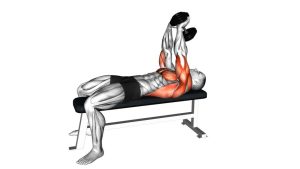
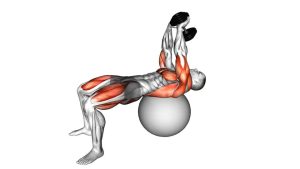
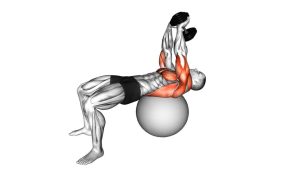
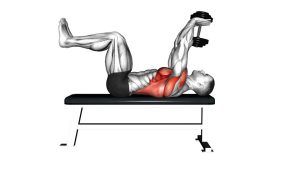
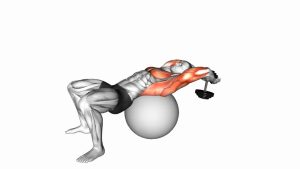
Dumbbell Pullover on Exercise Ball
This variation works best when you control both the stretch and the return. The chest should do a large share of the work, while the lats, serratus anterior, triceps, glutes, and deep core muscles help stabilize the position. Because the ball adds instability, this exercise rewards smooth technique, moderate loading, and full-body tension instead of heavy momentum.
Quick Overview
| Body Part | Chest |
|---|---|
| Primary Muscle | Pectoralis major |
| Secondary Muscle | Latissimus dorsi, serratus anterior, triceps long head, anterior delts, core stabilizers, glutes |
| Equipment | One dumbbell and an exercise ball / stability ball |
| Difficulty | Intermediate |
Sets & Reps (By Goal)
- Muscle building: 3-4 sets × 8-12 reps with controlled tempo and 60-90 seconds rest
- Chest stretch + activation: 2-3 sets × 10-15 reps with moderate weight and smooth form
- Upper-body accessory work: 2-4 sets × 8-10 reps after presses or fly variations
- Movement control / stability focus: 2-3 sets × 12-15 reps using lighter weight and strict positioning
Progression rule: First improve range control, hip stability, and rep quality. Then increase load gradually. Do not rush heavier dumbbells until you can keep the bridge position and shoulder path consistent.
Setup / Starting Position
- Grab one dumbbell: Hold it securely with both hands around the inner plate or top end of the dumbbell.
- Position the ball: Sit in front of the stability ball, then walk your feet forward until your upper back and shoulders rest on the ball.
- Lift the hips: Create a strong bridge so your torso stays roughly parallel to the floor from shoulders to knees.
- Set the feet: Plant both feet flat and about shoulder-width apart for balance.
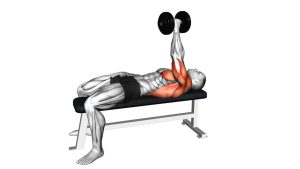
- Start above the chest: Extend the dumbbell over your chest with a slight bend in the elbows and wrists stacked in a comfortable position.
- Brace the body: Tighten the glutes and core, keep the neck neutral, and avoid flaring the ribs excessively.
Tip: Start with a lighter dumbbell than you would use on a bench. The ball adds instability and makes clean control more important than load.
Execution (Step-by-Step)
- Lock in the bridge: Before moving the weight, make sure the hips stay elevated and the upper back feels stable on the ball.
- Lower in an arc: Slowly move the dumbbell backward over and slightly behind the head in a smooth arc while keeping a soft elbow bend.
- Feel the stretch: Lower only as far as you can maintain chest, shoulder, and core control without losing hip position or shoulder comfort.
- Pause briefly: At the bottom, keep tension through the chest and lats rather than relaxing into the stretch.
- Pull back up: Bring the dumbbell back over the chest along the same arc using controlled effort from the chest and upper torso.
- Finish tall: End with the dumbbell centered above the chest, hips still up, and the body steady before beginning the next rep.
Pro Tips & Common Mistakes
- Keep a slight elbow bend: Too much elbow bend turns the movement into more of a triceps-driven pattern, while locked elbows can stress the joints.
- Do not drop the hips: Letting the bridge collapse reduces stability and often shifts unwanted stress into the lower back.
- Use a controlled range: Go deep enough to feel a stretch, but not so deep that your shoulders lose position.
- Move the weight, not the torso: Avoid excessive rib flare, spinal arching, or swinging through the shoulders.
- Choose load wisely: This movement responds better to controlled tension than to ego lifting.
- Keep the neck relaxed: The head should stay neutral on the ball instead of reaching back or tensing up.
- Match the arc on the way up: A clean return path helps keep the chest and lats loaded evenly.
FAQ
Is this exercise more for chest or lats?
In this variation, the exercise is performed with a chest focus, but the lats still assist. Your setup, elbow position, and intent can shift the emphasis slightly, yet the pecs are the main target here.
Why use an exercise ball instead of a bench?
The exercise ball adds a stability challenge and increases the demand on the core and glutes. It also encourages you to control the dumbbell path more carefully throughout the movement.
How heavy should I go on dumbbell pullovers on a ball?
Start lighter than you think you need. Because balance and positioning matter a lot here, a moderate dumbbell usually produces better reps than going too heavy and losing stability.
Should I feel a stretch in the chest?
Yes. You should feel a controlled stretch through the chest and upper torso at the bottom, but not shoulder pain or a loose hanging position.
Who should be cautious with this exercise?
Anyone with shoulder irritation, poor overhead mobility, balance issues, or lower-back discomfort should use extra care. Reduce the range, lower the weight, or use a bench alternative if the ball setup feels unstable.
Recommended Equipment
- Adjustable Dumbbell — practical for progressing load without needing a full rack of dumbbells
- Stability Ball / Exercise Ball — the key tool for this variation, adding instability and core demand
- Exercise Ball Base Ring — helps keep the ball more stable when storing it or setting up between exercises
- Fitness Mat — improves foot grip and comfort under the ball setup
- Liquid Gym Chalk — useful if grip becomes a limiting factor while holding the dumbbell securely
Keep equipment simple: a good dumbbell, a durable stability ball, and secure footing are enough to make this exercise effective.