Dumbbell Seated Curl: Proper Form, Muscles Worked, Sets, Tips & FAQ
Learn how to do the Dumbbell Seated Curl with strict form to build bigger biceps. Includes muscles worked, setup, step-by-step execution, sets and reps by goal, mistakes to avoid, FAQs, and recommended equipment.
Dumbbell Seated Curl
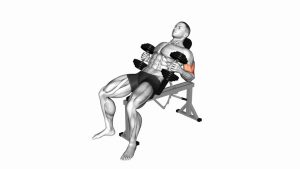
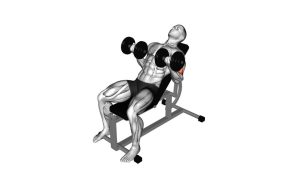
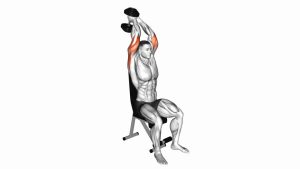
This exercise is ideal for building arm size, improving mind-muscle connection, and reinforcing strict curl mechanics. Because you are seated, it is easier to reduce body sway and keep tension where it belongs: on the biceps, brachialis, and forearms. Use a full but controlled range of motion, avoid swinging, and focus on a clean squeeze at the top of each rep.
Quick Overview
| Body Part | Biceps |
|---|---|
| Primary Muscle | Biceps brachii |
| Secondary Muscle | Brachialis, brachioradialis, forearm flexors |
| Equipment | Dumbbells and a flat bench or sturdy seat |
| Difficulty | Beginner to Intermediate |
Sets & Reps (By Goal)
- Muscle growth: 3–4 sets × 8–12 reps with 60–90 seconds of rest
- Strength-focused arm work: 4–5 sets × 5–8 reps with 90–120 seconds of rest
- Technique and control: 2–3 sets × 10–15 reps with slow tempo and strict form
- Finisher / pump work: 2–3 sets × 12–20 reps with lighter weight and short rest
Progression rule: Increase reps first while keeping the last 1–2 reps challenging but clean. Once you can hit the top of the rep range with strict form, move up to the next dumbbell weight.
Setup / Starting Position
- Sit tall on a bench: Place your feet flat on the floor and keep your chest up without over-arching the lower back.
- Hold a dumbbell in each hand: Let the arms hang naturally by your sides with the elbows close to the torso.
- Start with control: Use a neutral or slightly supinated grip, shoulders relaxed, and wrists straight.
- Brace lightly: Keep the core engaged so you do not rock backward as the weights come up.
- Set the elbows: Think of your upper arms as stable pillars—movement should happen mostly at the elbows.
Tip: If you tend to cheat curls when standing, this seated version is a great way to clean up your mechanics and keep the exercise more honest.
Execution (Step-by-Step)
- Begin from the bottom: Start with the dumbbells at your sides and the arms extended without locking out hard.
- Curl the weights upward: Flex the elbows and bring the dumbbells toward your shoulders in a smooth arc.
- Rotate the palms up: As the weights rise, supinate the forearms so the palms face upward near the top.
- Squeeze at peak contraction: Pause briefly when the biceps are fully shortened, without letting the elbows drift far forward.
- Lower under control: Slowly extend the elbows and resist gravity on the way down until you return to the start position.
- Repeat smoothly: Keep tension on the biceps and avoid bouncing or rushing between reps.
Pro Tips & Common Mistakes
- Keep the elbows tucked: Letting them drift too far forward turns the curl into more of a front-deltoid assist.
- Use full control: The lowering phase is just as important as the lifting phase for hypertrophy.
- Do not swing the torso: Sitting helps reduce momentum, but you still need to stay disciplined.
- Supinate as you lift: Turning the palms up can improve the biceps contraction and make the rep feel smoother.
- Do not overload too early: Heavy cheating reps usually shift stress away from the biceps and onto the shoulders and lower back.
- Keep wrists neutral: Excessive wrist bending can reduce comfort and make the curl less efficient.
- Pause briefly at the top: A short squeeze improves control and reinforces good mechanics.
FAQ
What muscles does the Dumbbell Seated Curl work?
The main target is the biceps brachii. It also trains the brachialis, brachioradialis, and supporting forearm muscles during the curl and lowering phases.
Is the seated dumbbell curl better than the standing curl?
Not always better, but often stricter. The seated version reduces body momentum and makes it easier to isolate the biceps, while standing curls may allow heavier loads and more total-body involvement.
Should I curl both arms at the same time or alternate them?
Both methods work. Curling both arms together can save time and create a strong pump, while alternating reps may help you focus more on each side and reduce momentum.
How heavy should I go on seated curls?
Choose a weight that lets you control the full range of motion with clean form. If you need to rock back, shrug, or throw the dumbbells upward, the load is too heavy for strict seated curls.
Can beginners use the Dumbbell Seated Curl?
Yes. It is a beginner-friendly biceps exercise because the seated position makes it easier to stay stable, learn proper elbow mechanics, and feel the target muscles working.
Recommended Equipment
- Bowflex SelectTech 552 Adjustable Dumbbells — versatile adjustable dumbbells for progressive biceps training at home
- CAP Barbell Flat Bench — useful for a stable seated setup and other dumbbell exercises
- DMoose Fitness Arm Blaster — helps keep the elbows in place and encourages stricter biceps isolation
- Harbinger Wrist Wraps — optional wrist support if you want extra stability during arm training
- Dumbbell Storage Rack — keeps your training area organized and makes weight changes easier
Tip: For the best seated curl setup, prioritize a comfortable bench height, dumbbells you can progress with gradually, and enough space to curl without the weights hitting your thighs.