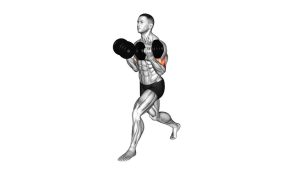
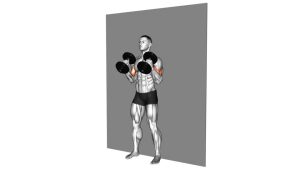
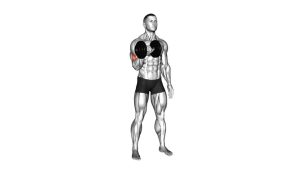
Dumbbell Seated Hammer Curl: Proper Form, Sets, Muscles Worked & Tips
Learn the Dumbbell Seated Hammer Curl with proper form, setup, execution tips, sets by goal, common mistakes, FAQs, and recommended equipment to build stronger biceps and forearms.
Dumbbell Seated Hammer Curl
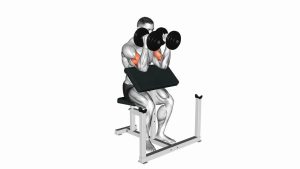
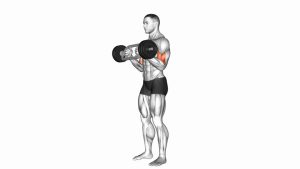
This exercise is excellent for lifters who want thicker upper arms, stronger forearms, and better curl control. Because you stay seated, it becomes harder to use momentum, which makes the Dumbbell Seated Hammer Curl a strong choice for clean hypertrophy-focused training. Focus on smooth reps, a neutral wrist position, and a controlled lowering phase.
Quick Overview
| Body Part | Biceps |
|---|---|
| Primary Muscle | Brachialis |
| Secondary Muscle | Brachioradialis, Biceps brachii, Forearm flexors |
| Equipment | Dumbbells and a flat bench or seat |
| Difficulty | Beginner to Intermediate |
Sets & Reps (By Goal)
- Muscle growth: 3–4 sets × 8–12 reps with 60–90 seconds of rest
- Strength-focused arm work: 4–5 sets × 6–8 reps with 90–120 seconds of rest
- Technique and control: 2–3 sets × 10–15 reps with slow eccentrics and moderate weight
- Finisher / pump work: 2–3 sets × 12–15 reps with short 45–60 second rest periods
Progression rule: Increase weight only when you can keep your elbows stable, wrists neutral, and the lowering phase controlled on every rep.
Setup / Starting Position
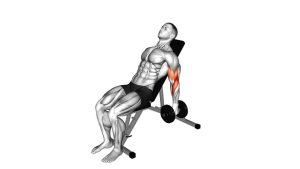
- Sit tall on a bench: Plant both feet flat on the floor and keep your torso upright.
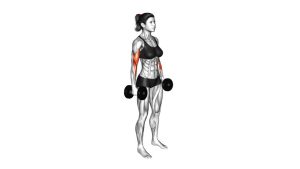
- Hold a dumbbell in each hand: Use a neutral grip with palms facing inward.
- Let the arms hang naturally: Keep the dumbbells at your sides with elbows close to the torso.
- Brace lightly: Lift the chest, engage the core, and relax the shoulders down.
- Set the wrists: Keep them straight and stacked so they do not bend backward during the curl.
Tip: Sitting upright with no back swing makes this version stricter than many standing hammer curl variations.
Execution (Step-by-Step)
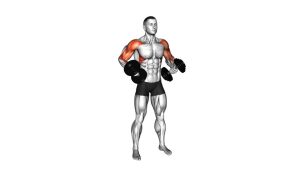
- Start from the bottom: Arms extended, palms facing each other, shoulders down, chest up.
- Curl the dumbbells upward: Bend at the elbows and bring the weights up in a controlled path.
- Keep the elbows pinned: Do not let them drift forward or flare away from the body.
- Reach the top under control: Bring the dumbbells near shoulder level without rotating the wrists.
- Squeeze briefly: Pause for a moment to reinforce tension in the upper arms and forearms.
- Lower slowly: Return the dumbbells to the start without dropping them or losing posture.
- Repeat smoothly: Maintain the same tempo and range of motion on every rep.
Pro Tips & Common Mistakes
- Keep palms facing inward: This neutral grip is what makes it a true hammer curl.
- Don’t swing the torso: Stay seated and upright to keep tension on the arms.
- Control the eccentric: Lowering the dumbbells slowly improves muscle stimulus and technique.
- Don’t let elbows drift forward: Forward elbow travel shifts the movement away from a clean curl path.
- Avoid bending the wrists: Keep them straight to reduce strain and transfer force better.
- Use full, clean reps: Do not shorten the range of motion just to move heavier dumbbells.
- Choose load wisely: If you cannot pause or lower under control, the dumbbells are probably too heavy.
FAQ
What muscles does the Dumbbell Seated Hammer Curl work most?
It primarily targets the brachialis, with strong assistance from the brachioradialis and additional involvement from the biceps brachii.
Why do this exercise seated instead of standing?
The seated position reduces momentum and makes it easier to perform strict reps, which is great for technique, muscle isolation, and hypertrophy.
Should I curl both dumbbells at the same time?
Yes, both arms can curl together as shown in many standard versions. You can also perform alternating reps if you want to focus more on one side at a time.
How heavy should I go on seated hammer curls?
Use a load that lets you keep your elbows close, wrists straight, and tempo controlled. Clean reps matter more than chasing heavy weight with sloppy form.
Are hammer curls better for forearms than regular curls?
Hammer curls usually train the brachioradialis more than traditional supinated curls, so they are a strong choice for building forearm thickness and grip-related arm strength.
Recommended Equipment (Optional)
- Adjustable Dumbbells — versatile for progressive overload and home arm training
- Weight Bench — provides a stable seated position for stricter hammer curls
- Lifting Straps — useful if grip fatigue limits heavier dumbbell arm work
- Workout Gloves — can improve comfort and grip during higher-volume curl sessions
- Dumbbell Rack — helps organize training space and makes dumbbell changes easier
Tip: For most people, a solid bench and a quality set of adjustable dumbbells are the most useful upgrades for this exercise.