Dumbbell Seated Single-Arm Overhead Triceps Extension: Form, Sets, Tips & FAQ
Learn the Dumbbell Seated Single-Arm Overhead Triceps Extension with proper form, setup, sets by goal, common mistakes, FAQs, and recommended equipment for stronger triceps.
Dumbbell Seated Single-Arm Overhead Triceps Extension
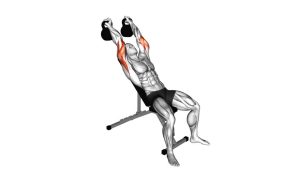
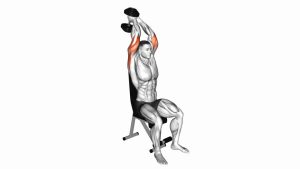
This exercise works best when you stay tall in the seat, brace your core, and avoid turning it into a shoulder press. Lower the dumbbell behind the head under control, then extend the elbow until the arm is nearly straight overhead. A moderate range with smooth form is more effective than chasing excessive depth or using momentum.
Quick Overview
| Body Part | Triceps |
|---|---|
| Primary Muscle | Triceps brachii (long head emphasis) |
| Secondary Muscle | Lateral head and medial head of the triceps; shoulder stabilizers and core assist isometrically |
| Equipment | Single dumbbell, flat bench or sturdy seat |
| Difficulty | Beginner to Intermediate |
Sets & Reps (By Goal)
- Muscle growth: 3–4 sets × 8–15 reps per arm, 60–90 sec rest
- Strength-focused accessory work: 3–4 sets × 6–10 reps per arm, 90–120 sec rest
- Technique and control: 2–3 sets × 10–12 reps per arm with a lighter load, 45–75 sec rest
- Higher-rep finisher: 2–3 sets × 12–20 reps per arm, short rest, strict tempo
Progression rule: Increase reps first while keeping clean elbow mechanics, then add weight gradually once you can control the stretch and lockout without torso movement.
Setup / Starting Position
- Sit tall: Sit on a bench or sturdy seat with your feet planted firmly on the floor.
- Hold one dumbbell: Grip the dumbbell securely with one hand and raise it overhead.
- Stack the arm: Keep your working upper arm close to your head and mostly vertical.
- Brace the torso: Tighten your abs and keep your ribs down to avoid leaning back.
- Start in the stretch: Bend the elbow so the dumbbell lowers behind your head in a controlled position.
Tip: Keep your wrist neutral and your elbow pointed generally upward. A slight natural angle is fine, but avoid letting the arm drift too far out to the side.
Execution (Step-by-Step)
- Set your posture: Sit upright with your core braced and shoulder packed down.
- Lower into the bottom: Let the dumbbell travel behind your head by bending only at the elbow.
- Feel the stretch: Pause briefly in the bottom if comfortable, keeping tension on the triceps.
- Extend the elbow: Drive the dumbbell upward until your arm is nearly straight overhead.
- Squeeze at the top: Contract the triceps without slamming into a harsh lockout.
- Control the return: Lower the dumbbell back behind your head slowly and repeat.
Pro Tips & Common Mistakes
- Keep the elbow in: Letting it flare too far out reduces control and can irritate the joint.
- Don’t rush the eccentric: Lowering slowly improves tension and technique.
- Avoid torso lean: Leaning back turns the lift into a compensatory press pattern.
- Use a full but comfortable range: Go deep enough to stretch the triceps, but not so deep that the shoulder loses position.
- Stay smooth at lockout: Finish with control instead of snapping the elbow straight.
- Train both sides evenly: Match reps and form quality on each arm to build balanced strength.
FAQ
What part of the triceps does this exercise emphasize most?
The overhead position places extra stretch on the long head of the triceps, which is why this variation is popular for building fuller upper-arm development.
Should my elbow stay completely locked in place?
It should stay mostly stable, but a small natural adjustment is normal. The main idea is to avoid large shoulder movement or excessive elbow flare.
Can beginners do this exercise?
Yes. Beginners can start with a lighter dumbbell and focus on posture, elbow control, and a slow lowering phase before increasing the load.
Is it better to do this seated or standing?
The seated version usually makes it easier to reduce body movement and isolate the triceps. Standing can work too, but it often demands more balance and core control.
What are common signs the weight is too heavy?
Excessive leaning, elbow pain, wrist bending, shortened range of motion, and losing control behind the head are all strong signs that the load should be reduced.
Recommended Equipment
- Adjustable Dumbbells — versatile for progressive overload and space-efficient home training
- Adjustable Weight Bench — provides a stable seated base for stricter form and many other upper-body exercises
- Lifting Wrist Wraps — helpful if wrist support improves comfort during overhead dumbbell work
- Elbow Sleeves — optional support for lifters who prefer warmth and compression around the elbow joint
- Dumbbell Storage Rack — keeps training space cleaner and makes dumbbell access safer and easier
Tip: Prioritize a dumbbell and a stable seat first. Accessories can help, but clean technique and sensible loading matter most.