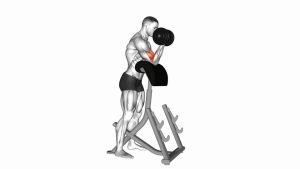
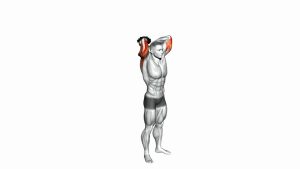
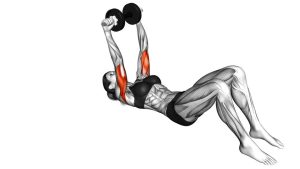
Dumbbell Seated Triceps Extension: Proper Form, Sets, Tips & FAQ
Learn the Dumbbell Seated Triceps Extension with proper form, setup, step-by-step execution, sets by goal, common mistakes, FAQs, and recommended Amazon equipment for better triceps growth.
Dumbbell Seated Triceps Extension
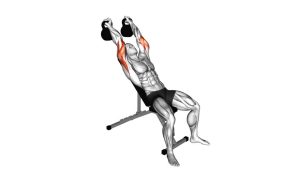
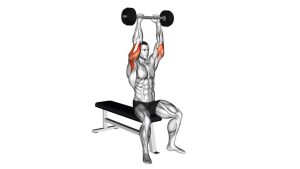
This exercise works best when you stay tall through the torso and move mainly through the elbows. From the seated position, the setup gives you more stability, which makes it easier to focus on strict triceps work instead of using momentum. A controlled lowering phase, a comfortable stretch at the bottom, and a smooth press back to the top will make this movement far more effective than simply moving the dumbbell fast.
Quick Overview
| Body Part | Triceps |
|---|---|
| Primary Muscle | Triceps brachii (especially the long head) |
| Secondary Muscle | Shoulders and core stabilizers |
| Equipment | Single dumbbell, bench or sturdy seat |
| Difficulty | Beginner to Intermediate |
Sets & Reps (By Goal)
- Muscle growth: 3–4 sets × 8–15 reps with 45–75 seconds rest
- Strength focus: 3–5 sets × 6–8 reps with 75–120 seconds rest
- Technique practice: 2–3 sets × 10–12 reps with light weight and slow tempo
- Finisher / pump work: 2–3 sets × 12–20 reps with controlled form
Progression rule: Add reps first, then increase the dumbbell weight once you can complete all target reps with stable elbows and full control.
Setup / Starting Position
- Sit tall: Sit on a bench or sturdy seat with your feet planted firmly on the floor.
- Grip the dumbbell securely: Hold one dumbbell with both hands under the top plate or around the handle, depending on the dumbbell style.
- Raise it overhead: Press the dumbbell above your head until your arms are extended.
- Set the elbows: Keep your elbows close to your head rather than letting them flare wide.
- Brace the torso: Tighten your core, keep your chest up naturally, and avoid leaning back too much.
Tip: Using a bench with back support can help beginners stay upright and reduce unnecessary torso movement.
Execution (Step-by-Step)
- Start from the top: Hold the dumbbell overhead with your arms nearly straight and elbows pointed up.
- Lower under control: Bend at the elbows and let the dumbbell travel slowly behind your head.
- Keep upper arms steady: Your upper arms should stay mostly vertical while the forearms move.
- Reach the bottom carefully: Lower only as far as you can without losing posture or straining your shoulders.
- Extend back up: Press the dumbbell upward by straightening your elbows until you return to the top position.
- Repeat smoothly: Maintain the same path on each rep without bouncing or using momentum.
Pro Tips & Common Mistakes
- Keep the elbows in: A slight natural flare is fine, but excessive flare shifts tension away from the triceps.
- Control the eccentric: The lowering phase should be steady, not rushed.
- Do not overarch: Squeezing the core and glutes lightly can help protect the lower back.
- Use full but safe range: Get a stretch at the bottom without jamming the shoulders.
- Do not slam lockout: Finish the rep with control instead of snapping the elbows hard.
- Choose the right load: Too much weight usually causes elbow flare, torso sway, and shortened range of motion.
FAQ
What muscle does the Dumbbell Seated Triceps Extension target the most?
It mainly targets the triceps brachii, especially the long head, because the overhead arm position places it under a deeper stretch.
Should I use one dumbbell or two?
Most people learn this exercise with one dumbbell held in both hands. That setup is usually easier to control and works well for strict reps.
Is it better to do this seated or standing?
The seated version usually offers more stability and makes it easier to focus on elbow extension. Standing can work too, but it often demands more total-body balance.
How low should I lower the dumbbell?
Lower it only as far as you can while keeping your elbows stable, your torso braced, and your shoulders comfortable. More range is not always better if control is lost.
Can beginners use this exercise?
Yes. Beginners can use it effectively with a light dumbbell, controlled tempo, and close attention to elbow position and posture.
Recommended Equipment
- Adjustable Dumbbells — the most direct tool for progressing this exercise at home; Amazon currently shows multiple adjustable dumbbell and dumbbell-set options for home strength training.
- Adjustable Weight Bench — useful for a more stable seated setup, and current Amazon listings highlight multi-position benches designed for dumbbell training and upright support.
- Wrist Wraps — helpful for lifters who want extra wrist support during heavier arm sessions; wrist-wrap brands and lifting accessories are widely available on Amazon.
- Exercise Mat — useful under a bench or for warm-up work; current Amazon exercise mats emphasize thicker padding and support.
- Tricep Rope Cable Attachment — not required for this dumbbell movement, but excellent for pairing with pushdowns and other triceps work; Amazon’s current cable-attachment listings include tricep rope options and related home-gym accessories.
Tip: For most people, the best starting combo is a single adjustable dumbbell + stable bench. Add accessories only if they solve a real comfort or training need.