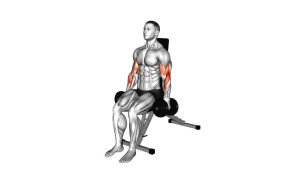
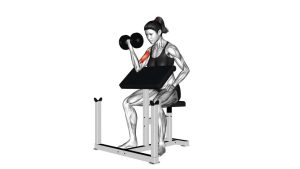
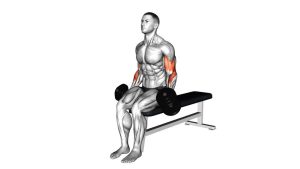
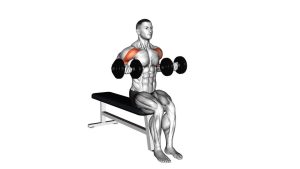
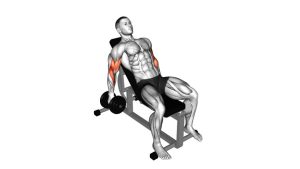
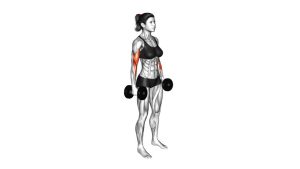
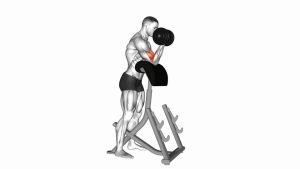
Dumbbell Standing Drag Curl: Proper Form, Muscles Worked, Sets, Tips & FAQ
Learn how to do the Dumbbell Standing Drag Curl with proper form to target the biceps, especially the long head. Includes muscles worked, setup, step-by-step execution, sets by goal, mistakes to avoid, FAQs, and recommended equipment.
Dumbbell Standing Drag Curl
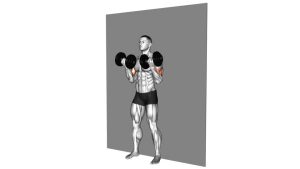
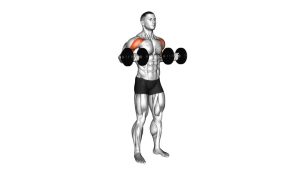
This exercise works best when performed with strict form, a quiet torso, and a controlled elbow path. The goal is not to swing the weights or let them drift forward, but to keep them close to the body so the biceps do more of the work. You should feel strong tension through the front of the upper arms with minimal shoulder involvement.
Quick Overview
| Body Part | Biceps |
|---|---|
| Primary Muscle | Biceps brachii (with strong emphasis on the long head) |
| Secondary Muscle | Brachialis, brachioradialis, forearms, and light anterior deltoid stabilization |
| Equipment | Dumbbells |
| Difficulty | Beginner to Intermediate |
Sets & Reps (By Goal)
- Muscle growth: 3–4 sets × 8–12 reps with controlled tempo and a hard squeeze at the top
- Strength-focused arm training: 4–5 sets × 6–8 reps using heavier dumbbells without losing drag-curl form
- Technique and mind-muscle connection: 2–3 sets × 10–15 reps with lighter weight and slow eccentrics
- Finisher / pump work: 2–3 sets × 12–15 reps with short rest and strict execution
Progression rule: Add reps before adding load. Only increase weight when you can keep the dumbbells close to the torso, move the elbows back smoothly, and avoid swinging.
Setup / Starting Position
- Stand tall: Place your feet about hip- to shoulder-width apart and brace your core.
- Hold two dumbbells at your sides: Let the arms hang straight with a comfortable supinated or slightly turned-out grip.
- Set the shoulders: Keep the chest up, shoulders down, and avoid rounding forward.
- Start with the dumbbells near the front of the thighs: They should stay close to your body throughout the curl.
- Prepare for strict reps: Keep your torso still and think about pulling the elbows backward as the weights rise.
Tip: Use a lighter dumbbell than you would for regular standing curls until you fully control the drag path.
Execution (Step-by-Step)
- Brace and stay tall: Tighten your core and keep your ribcage stacked over your hips.
- Initiate with the elbows: Begin the rep by driving the elbows slightly backward instead of curling the hands forward first.
- Drag the dumbbells up the torso: Keep the weights close to the body as they travel upward in a near-vertical line.
- Squeeze at the top: When the dumbbells reach upper-abdomen or lower-chest height, contract the biceps hard without shrugging.
- Lower under control: Reverse the movement slowly, keeping the same close path on the way down.
- Reset fully: Return to the starting position without letting the shoulders roll forward or the body swing.
Pro Tips & Common Mistakes
- Lead with the elbows: The best drag curls start by moving the elbows back, not by throwing the hands upward.
- Keep the dumbbells close: The closer they stay to the torso, the more the exercise matches its intended mechanics.
- Use strict tempo: Lift with control, pause briefly at the top, and lower slowly for better tension.
- Don’t swing the torso: Leaning back or using hip drive reduces biceps isolation.
- Don’t shrug: Keep the upper traps relaxed so the shoulders don’t steal the work.
- Avoid going too heavy too soon: Excess load usually causes the dumbbells to drift forward and ruins the drag pattern.
- Train through full control: A smooth squeeze and eccentric are more valuable than fast reps with sloppy form.
FAQ
What muscles does the Dumbbell Standing Drag Curl work?
It mainly targets the biceps brachii, especially the long head. The brachialis, brachioradialis, and forearms also assist, while the shoulders should stay relatively quiet.
What makes a drag curl different from a regular dumbbell curl?
In a drag curl, the dumbbells stay close to the body and the elbows travel backward as the weights rise. A regular curl usually follows a wider forward arc.
Is this exercise good for biceps peak development?
Yes. Because it emphasizes the long head of the biceps, many lifters use it to help improve the appearance of biceps peak when paired with other curl variations.
How heavy should I go on drag curls?
Use a weight you can control without leaning back, swinging, or letting the dumbbells drift away from your torso. Strict execution matters more here than heavy loading.
Can beginners use Dumbbell Standing Drag Curls?
Yes. Beginners can learn it well with light dumbbells and slow reps. It’s a good variation for building biceps awareness and cleaner elbow mechanics.
Recommended Equipment
- Adjustable Dumbbells — versatile for progressive overload and home arm training
- Dumbbell Rack — helps organize multiple dumbbell pairs for cleaner training space
- Weightlifting Gloves — useful for grip comfort during higher-volume curl sessions
- Wrist Wraps for Lifting — optional support if your wrists feel strained during curls
- Adjustable Weight Bench — useful if you want to pair drag curls with seated or incline dumbbell arm work
Tip: For this exercise, quality dumbbells and manageable weight jumps matter more than specialized accessories.