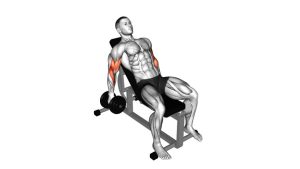
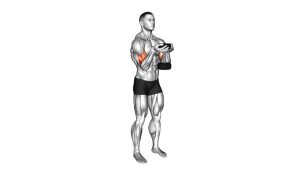
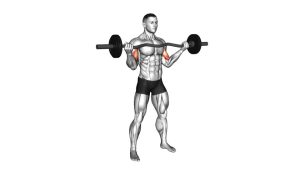
Dumbbell Standing Single-Arm Biceps Curl: Form, Sets, Tips & FAQ
Learn the Dumbbell Standing Single-Arm Biceps Curl with proper form, step-by-step execution, sets by goal, common mistakes, FAQs, and recommended equipment for stronger, more defined arms.
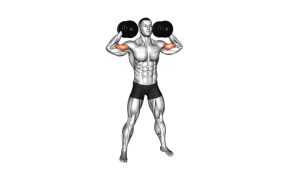
Dumbbell Standing Single-Arm Biceps Curl
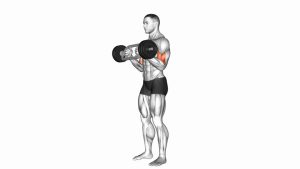
This variation works best when the body stays still and the arm does the work. You should feel the effort mostly in the front of the upper arm, with assistance from the forearm flexors. A good rep is controlled from start to finish, with no swinging through the hips, no shrugging through the shoulders, and no rushing the lowering phase.
Quick Overview
| Body Part | Biceps |
|---|---|
| Primary Muscle | Biceps brachii |
| Secondary Muscle | Brachialis, brachioradialis, forearm flexors |
| Equipment | One dumbbell |
| Difficulty | Beginner |
Sets & Reps (By Goal)
- Muscle growth: 3–4 sets × 8–12 reps per arm, 45–75 sec rest
- Strength focus: 4–5 sets × 5–8 reps per arm, 75–120 sec rest
- Technique / control: 2–3 sets × 10–15 reps per arm, light-to-moderate weight, slow tempo
- Arm finisher: 2–3 sets × 12–15 reps per arm, short rest and strict form
Progression rule: First improve control, full range, and tempo. Then add reps. Add load only when you can curl without torso swing or elbow drift.
Setup / Starting Position
- Stand tall: Place your feet about hip-width apart and brace your core lightly.
- Hold one dumbbell: Let the working arm hang at your side with the palm facing forward.
- Set the shoulder: Keep the shoulder down and back without shrugging.
- Tuck the elbow: Position the elbow close to your torso and keep the upper arm quiet.
- Start fully extended: Begin with the arm straight but not aggressively locked out.
Tip: Keep the free arm relaxed at your side or slightly out for balance, but do not use it to help the rep.
Execution (Step-by-Step)
- Brace and stay tall: Keep your ribs stacked over your hips and avoid leaning back.
- Curl the dumbbell up: Bend the elbow and bring the dumbbell toward shoulder height in a smooth arc.
- Keep the upper arm still: Let the forearm move while the elbow stays close to the body.
- Squeeze at the top: Pause briefly when the biceps are fully shortened.
- Lower slowly: Control the dumbbell back down to the starting position without dropping it.
- Repeat all reps on one side or alternate sides: Use the style that best fits your program.
Pro Tips & Common Mistakes
- Keep your palm up: A fully supinated grip helps emphasize the biceps better than a half-turned hand.
- Move only at the elbow: The upper arm should stay mostly fixed throughout the rep.
- Control the lowering phase: Don’t let gravity take over on the way down.
- Avoid torso swing: No rocking, hip drive, or lower-back arching.
- Don’t shrug: Keep the traps relaxed so the biceps stay the main focus.
- Use full but comfortable range: Lower to near full extension and curl to a strong contraction without forcing the shoulder forward.
FAQ
What muscles does the dumbbell standing single-arm biceps curl work?
The main target is the biceps brachii. The brachialis and brachioradialis also assist, while your core and shoulder stabilizers help keep the body steady.
Is single-arm curling better than curling both dumbbells at once?
It can be. Training one arm at a time often improves focus, helps address strength imbalances, and makes it easier to keep strict form.
Should I curl the dumbbell all the way to the shoulder?
Curl until you reach a strong contraction without rolling the shoulder forward or letting the elbow drift too far. The top should feel controlled, not forced.
Why do I feel this more in my forearm than my biceps?
That usually happens when the grip is too tight, the wrist bends, or the hand is not fully supinated. Try a lighter weight and focus on keeping the palm up and wrist neutral.
Can beginners use this exercise?
Yes. It’s one of the most beginner-friendly biceps exercises because the movement pattern is simple and the load is easy to scale.
Recommended Equipment
- Adjustable Dumbbells — versatile for progressive overload without needing a full rack
- Neoprene Dumbbell Set — practical for beginners and lighter arm-training sessions
- Weightlifting Gloves — can improve grip comfort during higher-rep sets
- Compact Dumbbell Rack — helps keep home-gym dumbbells organized and easy to access
- Adjustable Workout Bench — useful if you want to pair standing curls with seated or incline curl variations
Tip: For this exercise, the dumbbell matters most. The rest is optional support equipment that can make training more comfortable and consistent.