Dumbbell Strict Curl: Proper Form, Muscles Worked, Sets, Tips & FAQ
Learn how to perform the Dumbbell Strict Curl with proper form to isolate the biceps, reduce cheating, and build stronger upper arms. Includes setup, execution, sets by goal, common mistakes, FAQ, and recommended equipment.
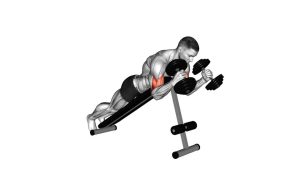
Dumbbell Strict Curl
This exercise works best when you stay tall, brace your core, and keep the movement strict from start to finish. The dumbbells should move because your elbows flex, not because your shoulders rock or your torso leans back. You should feel strong tension through the front of the upper arm, especially near the top of each rep. If you have to swing, shorten the range, or shrug the shoulders, the load is probably too heavy.
Quick Overview
| Body Part | Biceps |
|---|---|
| Primary Muscle | Biceps brachii |
| Secondary Muscle | Brachialis, brachioradialis, forearm flexors |
| Equipment | Dumbbells; optional wall support for stricter form |
| Difficulty | Beginner to Intermediate |
Sets & Reps (By Goal)
- Muscle growth: 3–4 sets × 8–12 reps with controlled tempo, 60–90 sec rest
- Strength-focused arm work: 4–5 sets × 5–8 reps, 90–120 sec rest
- Technique and strict form practice: 2–3 sets × 10–15 reps with lighter weight, 45–60 sec rest
- Finisher / pump work: 2–3 sets × 12–20 reps, short rest, smooth tempo
Progression rule: Add reps first, then increase load only when you can keep the elbows stable, avoid torso swing, and lower every rep under control.
Setup / Starting Position
- Stand tall: Keep feet about hip- to shoulder-width apart with knees softly unlocked.
- Hold a dumbbell in each hand: Let the arms hang naturally at your sides with the chest up and shoulders relaxed.
- Brace the core: Tighten the abs lightly so the ribcage stays stacked over the hips.
- Pin the elbows close: Keep your elbows near your torso and avoid letting them drift forward before the rep starts.
- Optional stricter setup: Stand with your upper back against a wall to reduce swinging and momentum.
Tip: Starting with the palms facing slightly inward can make the transition into a strong curl feel more natural.
Execution (Step-by-Step)
- Start from a dead stop: Let the dumbbells hang under control with the arms fully extended.
- Curl the weights upward: Flex at the elbows and bring the dumbbells toward shoulder height without leaning back.
- Rotate naturally if comfortable: As the weights rise, allow the forearms to turn so the palms face more upward near the top.
- Squeeze at peak contraction: Pause briefly when the biceps are fully shortened, but do not let the elbows shoot forward.
- Lower slowly: Return the dumbbells with control until the arms are straight again and the biceps are fully lengthened.
- Repeat with strict form: Keep every rep smooth, matched, and free from momentum.
Pro Tips & Common Mistakes
- Keep the upper arm quiet: The elbows should stay close to the body instead of traveling forward.
- Don’t swing the torso: Momentum shifts tension away from the biceps and reduces exercise quality.
- Control the lowering phase: A slow eccentric helps increase tension and improve growth stimulus.
- Use a full range: Straighten the arms at the bottom and squeeze fully at the top without losing posture.
- Pick the right load: If the last few reps become sloppy, the weight is too heavy for a strict curl.
- Keep wrists stacked: Avoid excessive wrist bending so the forearms and elbows stay comfortable.
FAQ
What makes a dumbbell curl “strict”?
A strict curl removes momentum as much as possible. That means the torso stays still, the elbows stay controlled, and the biceps do most of the work instead of the hips, lower back, or shoulders.
Should I curl both dumbbells at the same time?
You can perform them together or one arm at a time. Doing both together saves time, while alternating reps can help you focus more on each side.
Where should I feel this exercise?
You should feel the strongest tension in the front of the upper arms, especially in the biceps. Some forearm involvement is normal, but the movement should not feel dominated by the shoulders or lower back.
Is it better to use lighter weights for strict curls?
Usually, yes. Strict curls are most effective when the load lets you control the full range of motion and keep the body still. Heavy weights often encourage swinging and reduce isolation.
Can beginners use the dumbbell strict curl?
Yes. It is a beginner-friendly arm exercise because it teaches proper curl mechanics, improves mind-muscle connection, and does not require complicated equipment.
Recommended Equipment
- Adjustable Dumbbells — versatile for progressive overload and home biceps training
- Arm Blaster / Curl Isolator — helps keep elbows fixed and reduces cheating during curls
- Preacher Curl Bench — useful for adding more isolated biceps work to your training routine
- Weightlifting Wrist Wraps — optional support if wrist positioning becomes uncomfortable during curls
- Adjustable Weight Bench — helpful for seated curls, incline curls, and broader arm training variation
Tip: Prioritize dumbbells first. The rest are optional tools that can improve comfort, variation, or form quality.