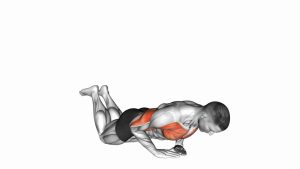
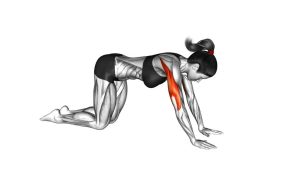
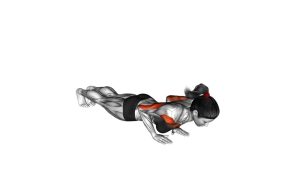
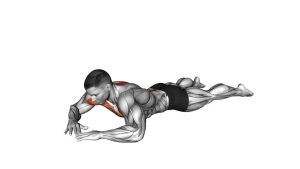
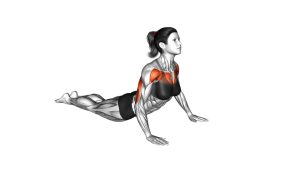
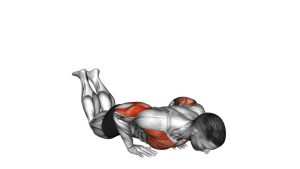
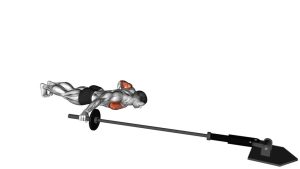
Incline Close-Grip Push-Up: Proper Form, Benefits, Sets & FAQ
Learn how to do the Incline Close-Grip Push-Up with proper form to target the triceps, chest, and shoulders. Includes setup, step-by-step execution, sets and reps by goal, common mistakes, FAQs, and recommended equipment.
Incline Close-Grip Push-Up
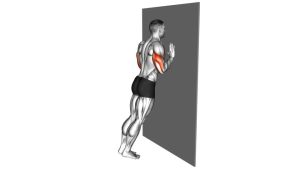
This exercise is ideal for building pressing mechanics, improving triceps strength, and progressing toward harder close-grip push-up variations. Because the incline reduces resistance, it helps you focus on body alignment, elbow tracking, and controlled tempo instead of fighting to finish sloppy reps.
Quick Overview
| Body Part | Triceps |
|---|---|
| Primary Muscle | Triceps brachii |
| Secondary Muscle | Chest (pectoralis major), anterior deltoids, core stabilizers |
| Equipment | Bench, box, step platform, bar, or other stable elevated surface |
| Difficulty | Beginner to Intermediate |
Sets & Reps (By Goal)
- Technique practice: 2–3 sets × 6–10 reps, slow tempo, 45–60 sec rest
- Muscle building: 3–4 sets × 8–15 reps, 45–75 sec rest
- Strength endurance: 2–4 sets × 12–20 reps, 30–60 sec rest
- Push-up progression work: 3–5 sets × 5–8 clean reps, stopping 1–2 reps before form breaks
Progression rule: First increase reps with perfect form, then lower the incline height to make the exercise harder. A lower platform increases the challenge.
Setup / Starting Position
- Choose a stable surface: Use a bench, box, step, bar, or countertop that will not slide or wobble.
- Place the hands close: Set your hands shoulder-width or slightly narrower on the elevated surface.
- Stack the body: Step your feet back so your body forms a straight line from head to heels.
- Brace the trunk: Tighten the core and glutes to prevent hip sagging or arching.
- Set the shoulders: Keep the shoulders down and back slightly, with the chest open and neck neutral.
Tip: The higher the incline, the easier the exercise. Start high enough that you can keep the elbows tucked and the torso rigid.
Execution (Step-by-Step)
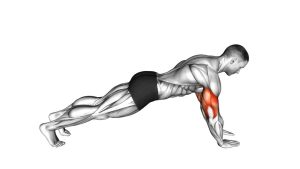
- Start in a straight-body plank: Keep your head, torso, hips, and legs aligned.
- Lower under control: Bend the elbows and bring the chest toward the platform without flaring the elbows out.
- Keep the elbows tucked: Let them travel close to the ribs to increase triceps involvement.
- Pause near the bottom: Stop just above the surface or lightly touch it while staying tight through the core.
- Press back up: Extend the elbows and push the body away from the platform as one unit.
- Finish tall: Return to the top with arms nearly straight, shoulders stable, and no loss of posture.
Pro Tips & Common Mistakes
- Keep the elbows close: This is the main technique detail that makes the variation more triceps-focused.
- Do not let the hips sag: A broken plank shifts stress away from the target muscles and into the lower back.
- Avoid flaring the elbows wide: Wide elbows turn it into a more chest-dominant push-up and may stress the shoulders.
- Don’t rush the eccentric: A slow lowering phase improves control and keeps the rep clean.
- Use full-body tension: Squeeze the glutes and brace the abs so the press stays stable.
- Progress gradually: Lower the incline over time instead of jumping straight to floor close-grip push-ups.
FAQ
What muscles does the incline close-grip push-up work most?
The main target is the triceps. It also trains the chest, front delts, and core stabilizers to keep the body rigid during the press.
Is this easier than a regular close-grip push-up on the floor?
Yes. The incline reduces the amount of bodyweight you have to press, making it easier to learn proper mechanics and accumulate quality reps.
How close should my hands be?
Close enough to keep the elbows tracking near the torso, but not so narrow that your wrists collapse inward or your shoulders feel cramped. For most people, shoulder-width or slightly narrower works best.
How do I make this exercise harder?
Lower the height of the surface, slow the tempo, add a pause at the bottom, or perform more total reps with perfect form.
Can beginners use this as a push-up progression?
Absolutely. It is one of the best beginner-friendly variations for learning plank alignment, pressing mechanics, and elbow control before moving to harder floor variations.
Recommended Equipment
- Push-Up Bars — helpful for a more comfortable grip and a slightly deeper pressing range
- Adjustable Weight Bench — a stable incline option for scaling the exercise height
- Aerobic Step Platform — useful for adjusting incline level and practicing beginner push-up progressions
- Wrist Wraps — optional support if wrist discomfort limits your pressing practice
- Resistance Bands Set — useful for warm-ups, triceps activation, and accessory upper-body work
Tip: For this exercise, the most important equipment feature is stability. A secure elevated surface is more important than fancy gear.