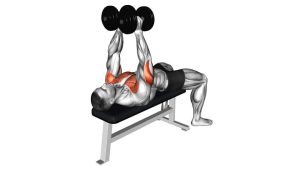
Incline Svend Press: Proper Form, Muscles Worked, Sets, Tips & FAQ
Learn how to perform the Incline Svend Press with proper form to target the upper chest with constant tension. Includes muscles worked, setup, step-by-step execution, sets and reps by goal, common mistakes, FAQs, and recommended equipment.
Incline Svend Press
The Incline Svend Press works best with control, tension, and moderate load. It is not a max-strength exercise. Instead, it is a technique-driven movement that emphasizes upper pec contraction and chest squeeze quality. A lighter plate performed with strong inward pressure often feels more effective than using too much load and losing tension.
Quick Overview
| Body Part | Chest |
|---|---|
| Primary Muscle | Upper chest (clavicular head of the pectoralis major) |
| Secondary Muscle | Triceps, anterior deltoids, inner chest fibers through adduction tension |
| Equipment | Incline bench and one weight plate (or two small plates pressed together) |
| Difficulty | Beginner to Intermediate (easy to learn, harder to master with constant tension) |
Sets & Reps (By Goal)
- Muscle growth: 3–4 sets × 10–15 reps with controlled tempo and constant inward squeeze
- Upper-chest finisher: 2–3 sets × 12–20 reps with short rest and lighter weight
- Mind-muscle connection: 2–3 sets × 8–12 slow reps with 1–2 second squeeze at full extension
- Warm-up activation: 1–2 sets × 12–15 easy reps before incline presses or chest workouts
Progression rule: Add reps, improve squeeze quality, or slow the tempo before increasing load. If the plate starts slipping or chest tension disappears, the weight is too heavy.
Setup / Starting Position
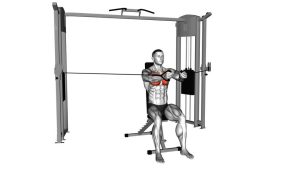
- Set the bench: Adjust an incline bench to about 30–45 degrees. Sit back with your upper back supported and feet planted firmly on the floor.
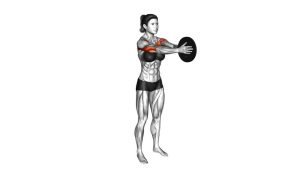
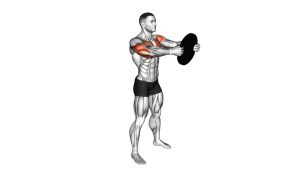
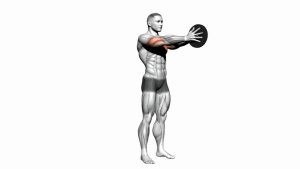
- Hold the plate: Place your palms flat against the sides of a weight plate and press inward so the chest is already engaged before the first rep.
- Bring it to chest level: Hold the plate in front of the upper chest with elbows bent and slightly flared, but not excessively wide.
- Lift the chest: Keep your shoulder blades lightly set back and down without arching aggressively.
- Brace and align: Keep wrists stacked, forearms stable, and the plate centered with your sternum/upper chest line.
Tip: Think “squeeze first, press second.” The inward pressure is what makes this exercise effective.
Execution (Step-by-Step)
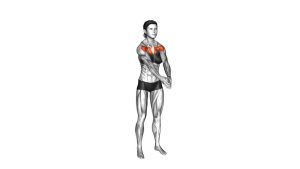
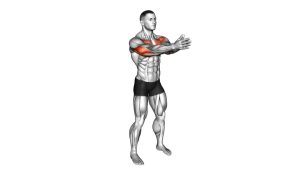
- Start under tension: With the plate held at chest level, actively squeeze your palms inward to fire up the pecs before pressing.
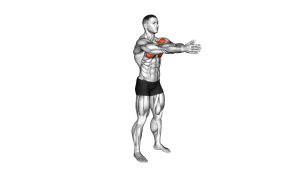
- Press forward smoothly: Extend your arms forward along the incline pressing path while keeping the plate compressed between the hands.
- Stop just short of a hard lockout: Reach near full extension without snapping the elbows straight or letting the shoulders roll forward.
- Squeeze at the front: Pause briefly and intensify the chest contraction at peak extension while maintaining plate pressure.
- Return with control: Bring the plate back toward the upper chest slowly, keeping the pecs engaged instead of relaxing on the way back.
- Repeat without losing tension: Every rep should feel smooth, deliberate, and driven by chest squeeze rather than momentum.
Pro Tips & Common Mistakes
- Keep constant inward pressure: Do not let the plate become just a passive object you move from point A to point B.
- Use a moderate incline: Too steep and the front delts may take over too much.
- Do not go too heavy: This exercise is about tension quality, not maximum load.
- Avoid shoulder shrugging: Keep the traps quiet and the shoulders down as you press.
- Control the return: The eccentric phase is valuable for chest tension and muscle awareness.
- Do not bounce at the chest: Reset the squeeze smoothly instead of relaxing between reps.
- Keep wrists stable: Bent-back wrists can make the exercise uncomfortable and reduce pressing control.
FAQ
What muscles does the Incline Svend Press work most?
The exercise mainly targets the upper chest, especially because the incline angle shifts emphasis upward. The triceps and front delts assist the press, but the defining feature is the constant chest squeeze created by pressing the hands inward.
Is the Incline Svend Press good for inner chest?
It can create a strong inner-chest contraction sensation because of the adduction-style squeeze, but it still trains the chest as a whole. Think of it as a chest tension exercise, not a magic isolation move for one narrow line of muscle.
Should I use heavy weight for this exercise?
Usually no. Most lifters get better results with a lighter to moderate plate that allows them to maintain full inward pressure and controlled reps. Too much weight often turns it into a sloppy shoulder press variation.
Where should I place the Incline Svend Press in my workout?
It works well as a warm-up activation drill, a mid-workout accessory movement, or a finisher after heavier incline or flat chest presses.
What if I feel my shoulders more than my chest?
Lower the incline angle slightly, reduce the weight, and focus harder on squeezing the plate together. Also make sure your shoulders stay down and your chest stays lifted during the press.
Recommended Equipment
- Adjustable Incline Weight Bench — the main setup piece for performing the incline version safely and comfortably
- Standard Weight Plates — ideal for squeezing between the palms during Svend press variations
- Rubber-Coated Weight Plates — often easier to grip and more comfortable for repeated squeeze pressing
- Workout Grip Gloves — helpful if plate grip slips because of sweat during high-rep sets
- Foam Exercise Mat — useful for extra floor grip and general training comfort around your bench setup
Tip: Choose equipment that improves control and comfort. For this exercise, better squeezing mechanics usually matter more than heavier loading.