Kettlebell Incline Biceps Curl: Form, Sets, Muscles Worked & FAQ
Learn the Kettlebell Incline Biceps Curl for strict biceps growth with a deep stretch and strong peak contraction. Includes setup, execution, sets by goal, mistakes, FAQs, and recommended equipment.
Kettlebell Incline Biceps Curl
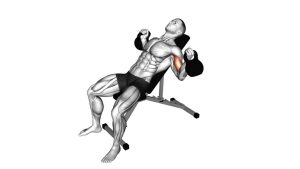
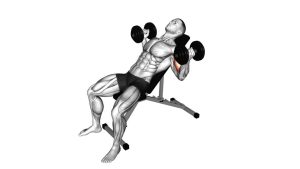
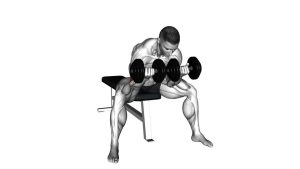
This movement works best when performed with strict form, controlled tempo, and no swinging. The goal is to let the biceps do the work while keeping the shoulders quiet and the elbows mostly fixed. You should feel a strong stretch at the bottom and a hard squeeze near the top without turning it into a front-delt lift.
Quick Overview
| Body Part | Biceps |
|---|---|
| Primary Muscle | Biceps brachii (especially the long head) |
| Secondary Muscle | Brachialis, brachioradialis, forearm flexors, grip stabilizers |
| Equipment | Kettlebells and an incline bench |
| Difficulty | Intermediate — easy to learn, but harder to control correctly than standard curls |
Sets & Reps (By Goal)
- Muscle growth: 3–4 sets × 8–12 reps with 60–90 seconds rest
- Controlled strength: 3–5 sets × 6–8 reps with 90–120 seconds rest
- Pump / finisher work: 2–3 sets × 12–15 reps with 45–60 seconds rest
- Technique practice: 2–3 sets × 10–12 reps using a lighter load and slow tempo
Progression rule: Add reps first, then increase load. Only go heavier when you can keep the elbows stable, avoid swinging, and control the lowering phase completely.
Setup / Starting Position
- Set the bench: Adjust an incline bench to roughly 45–60 degrees.
- Sit back fully: Keep your head, upper back, and shoulders supported against the pad.
- Hold the kettlebells: Let the arms hang straight down with a comfortable underhand or near-underhand grip.
- Open the chest: Keep the shoulders down and back without over-arching the lower back.
- Start stretched: Let the elbows stay slightly behind the torso so the biceps begin from a lengthened position.
Tip: Start lighter than you would on dumbbell incline curls. The offset kettlebell load can make even moderate weights feel more demanding.
Execution (Step-by-Step)
- Brace and stay still: Keep your torso against the bench and your shoulders relaxed.
- Begin the curl: Flex the elbows and bring the kettlebells upward in a smooth arc.
- Keep the elbows quiet: Do not let them drift far forward as the weights rise.
- Squeeze at the top: Curl until the biceps are fully shortened without losing position.
- Lower slowly: Reverse the rep under control and return to the deep stretched bottom position.
- Repeat with rhythm: Use steady reps instead of bouncing or rushing the movement.
Pro Tips & Common Mistakes
- Use the stretch: The bottom position is one of the biggest benefits of this variation, so do not shorten the range.
- Don’t swing the bells: Momentum shifts tension away from the biceps.
- Keep the upper arm mostly fixed: Too much elbow travel turns the movement into a shoulder-assisted curl.
- Control the negative: A slow lowering phase makes the exercise much more effective.
- Stay neutral through the wrists: Avoid excessive wrist bending as the kettlebell hangs below the hand.
- Choose load carefully: This is a strict isolation movement, not a cheat curl.
FAQ
What makes the kettlebell incline biceps curl different from a regular curl?
The incline bench places the arms behind the body, increasing the stretch on the biceps at the bottom. The kettlebell also changes the feel of the resistance because the load hangs below the grip, adding stability demand.
Which part of the biceps does this exercise emphasize most?
It strongly emphasizes the long head of the biceps, especially because of the stretched arm position on the incline bench. It also trains the brachialis and forearm muscles as supporting contributors.
Should I curl both arms together or one at a time?
Both can work. Curling both arms together is efficient, while alternating reps may help you focus more on control and reduce momentum.
How heavy should I go on this exercise?
Use a load that allows clean reps through a full range of motion. Most lifters should go lighter than they expect, because the incline position and kettlebell balance make the exercise stricter than a standing curl.
Is this better for size or strength?
It is mainly a hypertrophy-focused biceps exercise. It can build some strength, but its biggest value is strict tension, deep stretch, and quality muscle recruitment.
Recommended Equipment
- Adjustable Kettlebell — practical for progressive overload without buying multiple kettlebells
- Adjustable Incline Weight Bench — lets you set the proper angle for incline curls and other upper-body work
- Wrist Wraps — useful if wrist position feels unstable during kettlebell curls
- Weightlifting Gloves — can improve comfort and grip, especially during higher-rep arm sessions
- Arm Blaster — optional accessory for lifters who want extra elbow control on curl variations
Tip: The most useful setup for this exercise is a solid adjustable bench and a kettlebell you can progress over time.