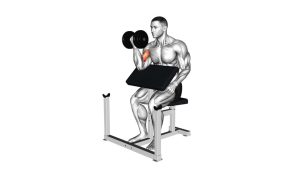
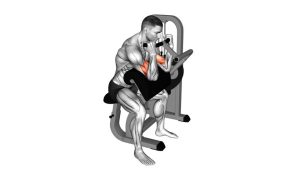
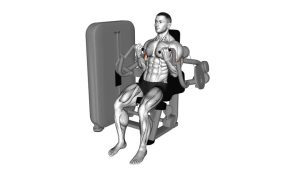
Lever Preacher Curl (Turned Torso): Form, Muscles Worked, Sets, Tips & FAQ
Learn how to perform the Lever Preacher Curl (Turned Torso) for strict biceps isolation, better peak contraction, and cleaner elbow control. Includes setup, execution, sets and reps, mistakes, FAQs, and recommended equipment.
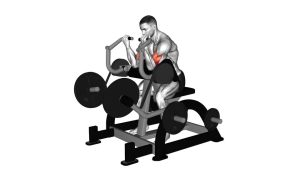
Lever Preacher Curl (Turned Torso)
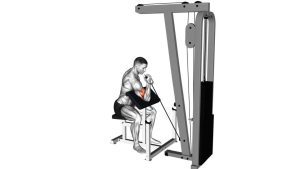
This variation works best when you keep the movement strict and let the biceps do the work. The slight torso turn is not a cheat; it is a small positioning adjustment that can help line up the shoulder, elbow, and wrist more comfortably with the machine. You should feel tension mostly in the front of the upper arm, not in the wrist, front delt, or lower back.
Quick Overview
| Body Part | Biceps |
|---|---|
| Primary Muscle | Biceps brachii |
| Secondary Muscle | Brachialis and brachioradialis |
| Equipment | Lever preacher curl machine |
| Difficulty | Beginner to Intermediate |
Sets & Reps (By Goal)
- Muscle growth: 3–4 sets × 8–12 reps per arm, 60–90 sec rest
- Strength-focused isolation: 4–5 sets × 6–8 reps per arm, 90–120 sec rest
- Control and contraction work: 2–3 sets × 10–15 reps per arm, 45–75 sec rest
- Finisher / pump work: 2–3 sets × 12–20 reps per arm, short rest and lighter load
Progression rule: Add reps before load when possible. Only increase the weight if you can keep the upper arm glued to the pad, control the eccentric, and avoid torso swinging.
Setup / Starting Position
- Adjust the machine: Set the seat so your working upper arm sits comfortably on the preacher pad with the elbow lined up with the machine’s pivot or natural curl path.
- Place one arm on the pad: Keep the triceps supported and the armpit close to the top edge of the pad without lifting the shoulder.
- Take a supinated grip: Hold the handle with the palm facing up and the wrist neutral.
- Turn the torso slightly: Rotate your chest a little toward the working arm to improve alignment, but keep the body stable and controlled.
- Start near full extension: Let the arm open almost fully while keeping a soft elbow and tension in the biceps.
Tip: If your shoulder feels crowded or your wrist bends too much, adjust the seat height or your torso angle before adding more weight.
Execution (Step-by-Step)
- Brace and stay planted: Press the upper arm into the pad and keep the chest quiet.
- Initiate with the biceps: Curl the handle upward by bending the elbow, not by shrugging or pulling the shoulder forward.
- Follow a smooth arc: Keep the wrist straight and the palm up as the handle travels toward the shoulder.
- Squeeze at the top: Pause briefly in the contracted position without letting the elbow drift off the pad.
- Lower slowly: Extend the arm under control until you return to the stretched bottom position.
- Repeat evenly: Keep each rep smooth, strict, and consistent from start to finish.
Pro Tips & Common Mistakes
- Keep the upper arm fixed: The more the elbow lifts or slides, the less strict the curl becomes.
- Use only a slight torso turn: A small rotation can improve alignment, but too much turns the exercise into a cheat curl.
- Don’t snap the bottom: Lower under control to protect the elbow and keep tension on the biceps.
- Keep the wrist neutral: Avoid excessive wrist flexion to prevent shifting tension away from the biceps.
- Pause at peak contraction: A brief squeeze at the top can improve the quality of each rep.
- Train both arms evenly: Match reps and form side to side instead of chasing extra weight on your stronger arm.
FAQ
What does the turned torso position change?
It slightly changes your alignment to the machine so the working arm can follow a more natural path. For many lifters, this improves comfort and helps them feel the biceps contract harder at the top.
Should I fully lock out at the bottom?
You can get close to full extension, but avoid slamming into a hard lockout. Keep tension on the biceps and maintain control in the stretched position.
Is this better than a regular preacher curl?
Not always better, but often more comfortable for some lifters. The turned torso version can improve mind-muscle connection and elbow tracking when the standard setup feels awkward.
Can beginners use this exercise?
Yes. It is beginner-friendly because the preacher pad helps stabilize the arm and reduces momentum. Start light and focus on clean reps first.
Where should I feel it most?
Mostly in the front of the upper arm, especially the biceps. You may also feel some assistance from the brachialis and forearm flexors, but the biceps should be the main driver.
Recommended Equipment
- Preacher Curl Bench — useful for recreating the same strict arm support pattern outside a lever machine
- EZ Curl Bar — a strong option for preacher curls, standing curls, and other biceps-focused variations
- Adjustable Dumbbells — ideal for unilateral curls, concentration curls, and home arm training progressions
- Arm Blaster — helps keep the elbows fixed and reinforces stricter curl mechanics
- Wrist Wraps — optional support if heavy curling bothers your wrists during arm work
Tip: Choose equipment that helps you keep the elbow stable and the wrist comfortable. Better positioning usually improves biceps tension more than simply adding more weight.