Ring Handstand: Proper Form, Shoulder Benefits, Progressions & Tips
Learn how to perform the Ring Handstand with proper form to build shoulder strength, ring stability, and full-body control. Includes setup, execution, sets by goal, common mistakes, FAQs, and recommended equipment.
Ring Handstand
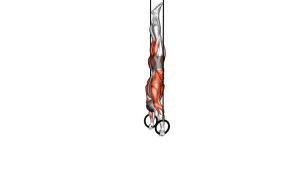
This exercise is best suited for experienced calisthenics or gymnastics athletes who already have strong ring support mechanics, solid shoulder mobility, and good inversion awareness. The goal is not just to get upside down, but to reach a controlled vertical line with locked arms, active shoulders, tight core tension, and minimal ring drift.
Quick Overview
| Body Part | Shoulders |
|---|---|
| Primary Muscle | Deltoids (especially anterior deltoids) |
| Secondary Muscle | Triceps, upper traps, serratus anterior, core, forearms |
| Equipment | Gymnastic rings |
| Difficulty | Advanced |
Sets & Reps (By Goal)
- Skill practice: 3–5 sets of 5–15 second holds or controlled entries
- Shoulder stability: 3–4 sets of 2–5 controlled attempts with full rest
- Ring balance development: 4–6 sets of short holds, tuck entries, or partial inversions
- Strength progression work: 3–5 sets of ring support holds, tuck inversions, or wall-assisted ring handstand drills
Progression note: Increase hold quality before hold duration. Clean alignment, locked elbows, stable shoulders, and controlled ring position matter more than staying upside down longer with poor form.
Setup / Starting Position
- Adjust the rings: Set the rings to a height that matches your entry method and training level.
- Grip firmly: Hold the rings with a neutral grip and keep them close to your sides.
- Start in ring support: Press tall through straight arms with shoulders active and elbows locked.
- Brace the trunk: Tighten your abs and glutes to prevent excessive arching during inversion.
- Pick your entry: Use a tuck, pike, assisted kick-up, or spotter-assisted transition depending on skill level.
Tip: Before attempting full ring handstands, you should already be comfortable with ring support holds, ring dips support, and basic handstand body-line awareness.
Execution (Step-by-Step)
- Establish support: Begin in a strong ring support with your shoulders depressed and arms straight.
- Lean and load: Shift your body slightly forward while maintaining tension through your shoulders and core.
- Tuck or lift: Bring the knees upward into a controlled tuck as the hips rise over the shoulders.
- Drive to inversion: Extend the hips and legs upward while pushing hard through the rings.
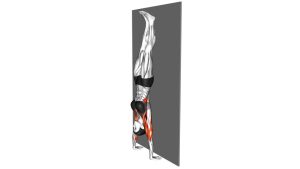
- Stack the body: Reach a vertical line with active shoulders, straight elbows, tight glutes, and pointed toes.
- Stabilize the rings: Make small shoulder and wrist adjustments to keep the rings from drifting outward.
- Lower with control: Reverse the movement slowly back through the tuck or support position.
Pro Tips & Common Mistakes
- Keep the elbows locked: Bent arms make balancing much harder and reduce structural stability.
- Push tall through the shoulders: Active elevation helps create a stronger overhead position.
- Brace the midline: Squeeze abs and glutes to avoid banana-back arching.
- Do not swing into the rep: Use controlled inversion instead of throwing the legs upward.
- Keep the rings close: Letting the rings drift too wide can quickly break the line and dump balance.
- Respect fatigue: Once shoulder stability fades, technique usually collapses fast.
- Master progressions first: Ring support holds, tuck inversions, wall handstands, and parallettes handstands all help.
FAQ
What muscles does the ring handstand work most?
The ring handstand mainly targets the shoulders, especially the anterior deltoids, while also challenging the triceps, traps, serratus anterior, forearms, and deep core stabilizers.
Is the ring handstand harder than a regular handstand?
Yes. The rings move independently, so the exercise demands much more stabilization, shoulder control, and balance than a floor or wall-supported handstand.
Can beginners do ring handstands?
Most beginners should not start with full ring handstands. It is better to build up with ring support holds, wall handstands, pike drills, and tuck inversions before attempting the full skill.
How long should I hold a ring handstand?
For most athletes, short high-quality holds are best. Even 5 to 10 seconds with strong alignment and control is valuable training when performed cleanly.
What is the biggest mistake in this exercise?
One of the most common mistakes is kicking up too aggressively and losing ring control immediately. Stable entries and body tension matter more than chasing a long hold.
Recommended Equipment (Optional)
- Wooden Gymnastics Rings with Adjustable Straps — the main tool for ring handstands, support holds, and inversion progressions
- Handstand Parallettes — helpful for building handstand strength and line awareness before unstable ring work
- Liquid Chalk — improves grip security and reduces slipping during ring support and inversion practice
- Wrist Support Wraps — useful for athletes who want extra wrist support during handstand and overhead stability training
- Gymnastics Grips — optional for managing hand stress and improving comfort during higher-volume ring sessions
Choose gear that supports control, grip, and safe progression. For this movement, stable rings and reliable shoulder preparation matter more than buying extra accessories.