Seated Dumbbell Overhead Triceps Extension: Form, Sets, Tips & FAQ
Learn the Seated Dumbbell Overhead Triceps Extension for stronger, fuller triceps with better long-head activation. Includes proper form, sets by goal, common mistakes, FAQs, and recommended equipment.
Seated Dumbbell Overhead Triceps Extension
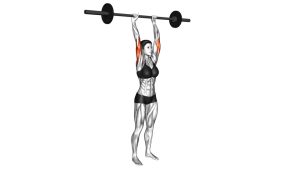
This exercise is most effective when performed with a full but controlled range of motion. Lower the dumbbells behind your head to create a deep stretch in the triceps, then extend upward without letting the elbows flare excessively. A steady tempo and strict elbow control will make this movement far more effective than chasing heavy weight with sloppy form.
Quick Overview
| Body Part | Triceps |
|---|---|
| Primary Muscle | Triceps brachii (long head emphasis) |
| Secondary Muscle | Medial head and lateral head of the triceps, shoulders and core as stabilizers |
| Equipment | Two dumbbells and a bench or seat with back support optional |
| Difficulty | Intermediate |
Sets & Reps (By Goal)
- Muscle growth: 3–4 sets × 8–12 reps with 60–90 seconds rest
- Strength-focused triceps work: 4–5 sets × 6–8 reps with 90–120 seconds rest
- Muscle endurance / finisher: 2–3 sets × 12–20 reps with 45–60 seconds rest
- Technique practice: 2–3 sets × 10–12 reps using light weight and slow tempo
Progression rule: Add reps before adding load. Once you can complete all target reps with clean elbow control and no torso swing, increase the dumbbell weight gradually.
Setup / Starting Position
- Sit tall: Sit on a bench or stable seat with your feet planted firmly on the floor.
- Press the dumbbells overhead: Start with both dumbbells held above your head, arms nearly straight.
- Align the elbows: Keep your elbows pointed upward and close to your head rather than flaring wide.
- Brace your core: Keep your ribs down and avoid leaning back excessively.
- Start from control: Shoulders stay packed and stable before the descent begins.
Tip: If shoulder mobility is limited, reduce the range slightly and keep the elbows just inside a comfortable overhead path.
Execution (Step-by-Step)
- Lower with control: Bend your elbows and lower the dumbbells behind your head.
- Keep upper arms steady: Let the elbows do the work while the upper arms stay mostly in place.
- Reach the stretch: Lower until you feel a strong but comfortable triceps stretch.
- Extend upward: Press the dumbbells back up by straightening your elbows.
- Finish without slamming lockout: Stop at full extension with tension still on the triceps.
Pro Tips & Common Mistakes
- Keep elbows in: A slightly narrow elbow path improves triceps tension and reduces shoulder stress.
- Use full range: The long head responds well to the deep overhead stretch, so do not cut the lowering phase short.
- Avoid swinging: Do not turn the movement into a shoulder press by using momentum.
- Stay seated and braced: Keep your torso upright instead of leaning back to cheat the rep.
- Control the tempo: A slow eccentric usually makes this exercise more effective for hypertrophy.
- Do not go too heavy too early: Elbow-friendly form matters more than chasing maximal load here.
FAQ
What part of the triceps does the seated dumbbell overhead triceps extension emphasize most?
It mainly emphasizes the long head of the triceps because the arms are positioned overhead, which places that portion under a bigger stretch.
Should I use one dumbbell or two dumbbells for this exercise?
Both versions can work. Using two dumbbells can improve side-to-side balance and individual arm control, while one dumbbell may feel simpler for some lifters.
How low should I lower the dumbbells?
Lower until you feel a strong stretch in the triceps without shoulder discomfort or loss of control. The exact depth depends on your mobility and elbow comfort.
Is this exercise good for building bigger arms?
Yes. It is a strong hypertrophy exercise for the triceps, especially when paired with pressing and pushdown variations in a complete arm program.
What if my elbows flare out during the set?
Slight flare can happen, but excessive flare usually means the weight is too heavy or your shoulder position is unstable. Reduce the load and focus on keeping the elbows closer in.
Recommended Equipment
- Adjustable Dumbbells — versatile option for progressive overload and home training
- Weight Bench — provides stable seated support for stricter overhead extension form
- Lifting Gloves — can improve grip comfort during higher-rep dumbbell work
- Elbow Sleeves — optional support for lifters who want extra warmth around the elbow joint
- Adjustable Workout Bench with Back Support — useful for maintaining better posture and reducing torso sway while seated
Tip: Choose equipment that helps you keep the movement strict and comfortable. Stable seating and manageable dumbbell increments make progression easier.