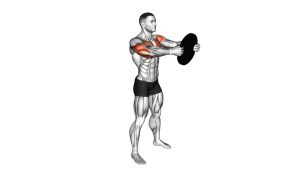
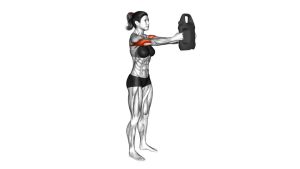
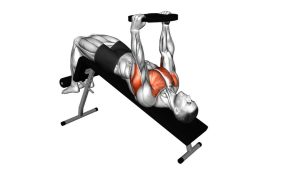
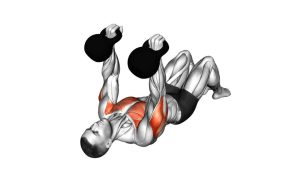
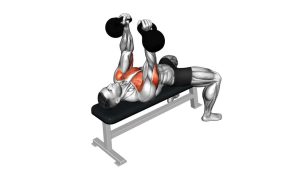
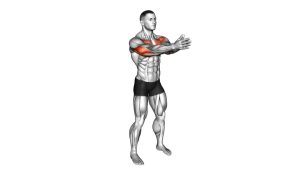
Svend Bench Press: Proper Form, Muscles Worked, Sets, Tips & FAQ
Learn how to do the Svend Bench Press with proper form for constant chest tension and extra triceps involvement. Includes setup, execution, sets by goal, mistakes, FAQs, and recommended equipment.
Svend Bench Press
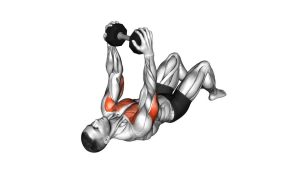
This exercise works best when you treat it as a tension-focused chest press, not a max-strength lift. The squeeze is what makes the movement different. If you relax the hands, rush the lowering phase, or let the elbows flare too much, the exercise turns into an ordinary press and loses much of its unique stimulus.
Quick Overview
| Body Part | Chest |
|---|---|
| Primary Muscle | Pectoralis major (especially when maintaining the squeeze) |
| Secondary Muscle | Triceps, anterior deltoids, chest stabilizers |
| Equipment | Flat bench and weight plate or a single dumbbell pressed between the hands |
| Difficulty | Beginner to Intermediate |
Sets & Reps (By Goal)
- Muscle growth: 3–4 sets × 8–12 reps with slow, controlled tempo and constant squeeze
- Chest activation / pre-exhaust: 2–3 sets × 12–15 reps with lighter load and perfect form
- Accessory pressing work: 3–4 sets × 6–10 reps after your main bench or dumbbell presses
- Mind-muscle connection: 2–3 sets × 10–12 reps with a 1–2 second squeeze at the top
Progression rule: Add reps first, then slightly increase load only if you can still keep the weight squeezed firmly between the hands for every rep.
Setup / Starting Position
- Lie flat on a bench: Keep your head, upper back, and glutes in contact with the bench, with both feet planted firmly on the floor.
- Hold the load securely: Press a plate or one end of a dumbbell between your palms at chest level.
- Set your shoulders: Pull the shoulders slightly down and back into the bench for a stable pressing base.
- Align the wrists: Keep the wrists stacked and neutral so the weight stays centered.
- Create tension before the first rep: Squeeze the hands inward before you start pressing.
Tip: A lighter load with a stronger squeeze usually feels better and works the chest more effectively than a heavier load with loose hand pressure.
Execution (Step-by-Step)
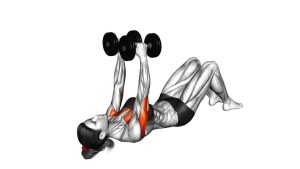
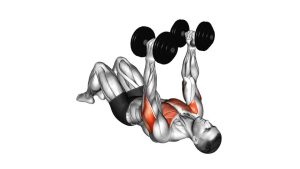
- Start over the chest: Press the weight to arm’s length above the mid-chest with the elbows nearly straight.
- Keep squeezing inward: Maintain constant pressure between the hands as if trying to crush the weight.
- Lower under control: Bring the weight down slowly toward the chest, allowing the elbows to bend without flaring excessively.
- Pause briefly at the bottom: Stop just above or lightly at chest level while keeping the chest and triceps engaged.
- Press back up: Drive the weight upward in a controlled line while continuing to squeeze inward the entire time.
- Finish with tension: Reach near full extension without locking out harshly, then repeat without relaxing the squeeze.
Pro Tips & Common Mistakes
- Squeeze first, press second: Chest tension should begin before the movement starts.
- Use a moderate range: Lower deep enough for control and stretch, but not so deep that the shoulders lose position.
- Don’t rush the eccentric: The lowering phase is where you can really keep tension on the pecs.
- Avoid elbow flare: Let the elbows move naturally, but don’t let them shoot too wide.
- Keep the wrists stable: Bent wrists often reduce control and make the squeeze harder to maintain.
- Don’t turn it into a max-effort press: This is usually better as a hypertrophy or accessory exercise than a heavy strength lift.
- Pause lightly at the top: A brief squeeze at lockout can improve chest engagement.
FAQ
What muscles does the Svend Bench Press work?
It primarily targets the chest, especially when you maintain strong inward pressure on the load. The triceps and front delts assist during the pressing phase.
Is this better with a plate or a dumbbell?
Many lifters prefer a weight plate because it is easier to squeeze evenly between the hands. A dumbbell can also work well if you can hold it securely and keep constant pressure.
Should I do the Svend Bench Press heavy?
Usually no. This movement is most effective with a manageable load that lets you keep continuous chest tension. Going too heavy often reduces the squeeze and shifts the exercise away from its main purpose.
Where should I feel this exercise most?
You should feel strong tension through the pecs, with assistance from the triceps. If you only feel the shoulders or wrists, reduce the load and improve the inward squeeze.
When should I place this in my workout?
It works well after a main chest press, as a hypertrophy-focused accessory, or as a chest activation movement before heavier pressing.
Recommended Equipment
- Grip Weight Plates — ideal for performing the squeeze portion of the movement comfortably and securely
- Adjustable Weight Bench — gives you a stable setup for flat pressing and other chest variations
- Dumbbell Set — useful if you want to perform a dumbbell-based squeeze press variation
- Wrist Wraps — can help support wrist position if squeezing the load bothers your wrists
- Home Gym Floor Mat — protects your floor and gives your bench area a more stable training setup
Tip: For this exercise, choose equipment that helps you maintain control and squeeze quality rather than simply using the heaviest possible load.