Two-Legs Reverse Biceps Curl with Towel: Form, Muscles Worked, Sets & FAQ
Learn how to do the Two-Legs Reverse Biceps Curl with Towel for forearm, brachialis, and biceps strength at home. Includes form tips, sets and reps, mistakes, FAQ, and recommended equipment.
Two-Legs Reverse Biceps Curl with Towel
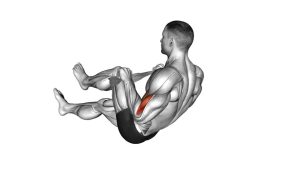
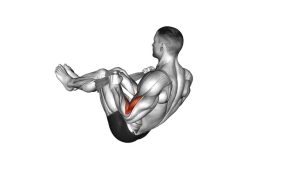
This exercise works best when you think of it as a precision resistance drill rather than a fast pump movement. You lie on your back, raise both legs, loop the towel around the feet, and curl against the resistance created by your own legs. Because the hands stay in a reverse-curl position, the movement places more emphasis on the forearms and brachioradialis than a standard supinated curl. The resistance is adjustable at any moment depending on how hard the legs push away and how well you control the lowering phase.
Quick Overview
| Body Part | Biceps |
|---|---|
| Primary Muscle | Brachioradialis |
| Secondary Muscle | Brachialis, Biceps Brachii, Forearm Flexors, Core Stabilizers |
| Equipment | Towel, floor or exercise mat |
| Difficulty | Beginner to Intermediate (depends on self-applied resistance and control) |
Sets & Reps (By Goal)
- Technique practice: 2–3 sets × 8–10 reps with slow control and moderate tension
- Muscle endurance: 2–4 sets × 12–20 reps with steady rhythm and continuous towel tension
- Hypertrophy / arm development: 3–4 sets × 8–15 reps using stronger leg resistance and a slower lowering phase
- Home finisher: 1–3 sets close to technical fatigue while maintaining clean elbow tracking
Progression rule: First improve control, then increase resistance by pushing harder with the legs or extending the eccentric. Do not progress by rushing reps.
Setup / Starting Position
- Lie on your back: Position yourself on the floor or a mat with your head, upper back, and hips supported.
- Raise both legs: Bring the legs up with the knees bent so the feet are off the floor and easy to reach with the towel.
- Loop the towel around both feet: Place it securely across the midfoot area so it will not slip during the curl.
- Use an overhand grip: Hold each end of the towel with palms facing down to create a reverse-curl position.
- Start with arms extended: Reach toward the feet so the elbows are nearly straight and the towel is already under light tension.
- Brace lightly: Keep the ribs down, core engaged, and shoulders relaxed against the floor.
Tip: A thicker towel is often more comfortable on the hands and feet, especially if you plan to use higher resistance.
Execution (Step-by-Step)
- Create tension first: Press the feet gently into the towel so the arms must work before the rep even starts.
- Curl with a reverse grip: Bend the elbows and pull the towel toward your upper chest or face while keeping the wrists steady.
- Let the legs resist: As the arms curl, use the legs to push away just enough to create smooth opposing force.
- Keep elbows controlled: Allow the elbows to flex without flaring excessively or shifting all the work into the shoulders.
- Squeeze briefly at the top: Pause for a moment when the elbows are most flexed and the forearms feel fully loaded.
- Lower slowly: Extend the arms under control while the legs continue to provide resistance so the towel never goes slack.
- Repeat with rhythm: Perform each rep smoothly without dropping the legs or bouncing into the next repetition.
Pro Tips & Common Mistakes
- Keep the grip pronated: Turning the palms up changes the exercise and reduces the reverse-curl emphasis.
- Do not yank the towel: Fast pulling reduces tension quality and can irritate the wrists or elbows.
- Use the legs intelligently: Too little leg pressure makes the rep easy; too much can ruin form. Find a controllable middle ground.
- Keep the legs stable: Avoid excessive kicking or drifting, which makes the resistance inconsistent from rep to rep.
- Control the eccentric: The lowering phase is where a lot of the training effect happens in self-resisted curls.
- Stay braced through the torso: A relaxed core can make the position sloppy and reduce force transfer.
- Do not shrug: Keep the shoulders down so the elbows, forearms, and biceps do the main work.
FAQ
What muscles does the Two-Legs Reverse Biceps Curl with Towel work?
It primarily targets the brachioradialis, with strong assistance from the brachialis, biceps, and other forearm flexors. Your core also helps stabilize the lying position while the legs create resistance.
Why use a reverse grip for this towel curl?
The overhand or pronated grip shifts more emphasis toward the forearms and brachioradialis compared with a standard palms-up curl. That makes it useful if you want more balanced elbow-flexor development.
Is this exercise good for home workouts without dumbbells?
Yes. It is a practical self-resisted option because the towel and your legs provide adjustable tension. It is especially useful when you want arm work without machines, barbells, or dumbbells.
How hard should I push with my legs?
Hard enough to make the curl challenging, but not so hard that you lose smooth motion or compensation takes over. You should still be able to control the full rep from start to finish.
Can beginners use this exercise?
Yes. Beginners can start with light leg pressure, shorter sets, and slower reps. As coordination improves, resistance can be increased gradually.
Recommended Equipment
- Exercise Mat — adds comfort for the back, elbows, and head during floor-based curls
- Microfiber Gym Towel — useful if you want a dedicated towel for self-resisted training and general workouts
- Resistance Bands Set — a great progression or alternative for home arm training when you want more consistent resistance
- Hand Grip Strengthener — complements reverse-curl work by training grip endurance and forearm strength
- Yoga Mat Towel — helps reduce slipping and sweat buildup if you train on a mat regularly
Tip: Choose a towel that feels secure in your hands and does not stretch too much. Consistent resistance usually feels better with a thicker, durable fabric.