Weighted Tricep Dip: Proper Form, Sets, Muscles Worked & FAQ
Learn how to do the Weighted Tricep Dip with proper form for stronger, bigger triceps. Includes setup, execution, sets by goal, common mistakes, FAQs, and recommended equipment.
Weighted Tricep Dip
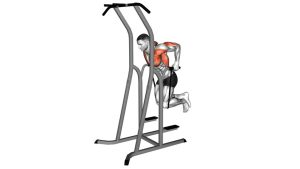
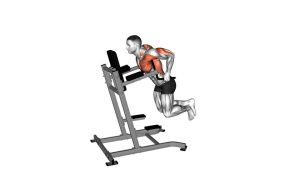
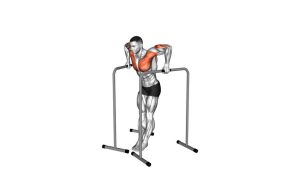
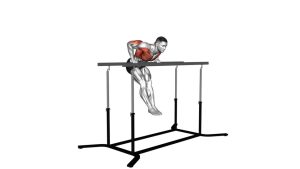
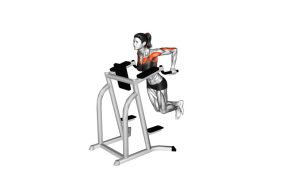
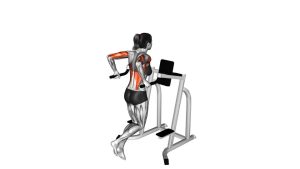
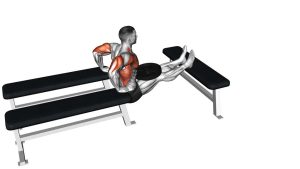
This exercise is best performed with strict technique and stable body positioning. The goal is to lower under control, keep the elbows tracking cleanly, and press back to the top without bouncing or collapsing into the shoulders. Because added load increases stress on the elbows and shoulders, clean mechanics matter more than chasing extra weight too soon.
Quick Overview
| Body Part | Triceps |
|---|---|
| Primary Muscle | Triceps brachii |
| Secondary Muscle | Anterior deltoids, lower chest, scapular stabilizers, core |
| Equipment | Dip station or parallel bars, dip belt or external weight |
| Difficulty | Intermediate to Advanced |
Sets & Reps (By Goal)
- Strength: 4–5 sets × 4–6 reps with 90–150 sec rest
- Hypertrophy: 3–4 sets × 6–10 reps with 60–90 sec rest
- Muscle endurance: 2–4 sets × 10–15 reps with 45–75 sec rest
- Bodyweight progression: 3–4 sets × 5–8 clean reps before adding more load
Progression rule: Add weight only after you can control the full rep path, pause briefly near the bottom, and lock out each rep without swinging.
Setup / Starting Position
- Set the bars and load: Use stable parallel bars or a dip station. Attach a dip belt, or secure a dumbbell safely if using an alternative loading method.
- Grip firmly: Take the bars with a neutral grip and support your full bodyweight at the top.
- Start tall: Arms straight, shoulders down, chest up, and core braced.
- Lean slightly upright: For more triceps focus, keep the torso fairly vertical instead of leaning far forward.
- Stabilize the legs: Bend the knees slightly and keep the weight from swinging before you begin.
Tip: If the load swings during setup, pause at the top before the first rep and let everything settle.
Execution (Step-by-Step)
- Brace and lower: Inhale, keep the shoulders packed, and bend the elbows to descend under control.
- Keep elbows working behind you: Let the elbows track naturally backward rather than flaring excessively out to the sides.
- Control the bottom: Lower until your upper arms are around parallel to the floor, or slightly deeper if your shoulders tolerate it well.
- Avoid collapsing: Keep the chest open and neck neutral. Do not sink passively into the shoulder joint.
- Press up hard: Drive through the bars and extend the elbows to return to the top.
- Finish the rep: Reach a strong lockout with the triceps fully engaged, then reset before the next repetition.
Pro Tips & Common Mistakes
- Stay controlled on the way down: Fast descents make the bottom position harder on the shoulders and elbows.
- Use an upright torso for more triceps bias: Too much forward lean shifts more work toward the chest.
- Do not bounce out of the bottom: Pause briefly or reverse smoothly instead of using momentum.
- Keep shoulders depressed: Avoid shrugging up as fatigue builds.
- Do not overload too early: Master bodyweight dips first, then progress in small weight jumps.
- Watch your depth: Going too deep without mobility or control can irritate the front of the shoulder.
- Stabilize the load: Swinging plates or dumbbells reduce tension on the target muscles and make the rep less safe.
FAQ
What muscles do weighted tricep dips work most?
The main target is the triceps brachii. The anterior deltoids and lower chest also assist, while the core and shoulder stabilizers help control the movement.
Are weighted tricep dips better than pushdowns?
Weighted dips are a heavier compound movement that can build overall pressing strength and triceps mass. Pushdowns are easier to isolate and usually place less total systemic demand on the body.
How deep should I go on weighted dips?
A good standard is lowering until the upper arms reach about parallel to the floor. Some lifters can go slightly deeper, but only if they can do so without shoulder discomfort or loss of control.
Should I lean forward or stay upright?
For more triceps emphasis, keep the torso relatively upright. A larger forward lean usually brings more chest involvement.
When should I add weight to dips?
Add weight when you can perform clean bodyweight dips for multiple controlled reps with full range, stable lockout, and no shoulder irritation.
Recommended Equipment
- Dip Belt — the most practical way to add external load to dips safely and progressively
- Weight Plates — ideal for loading a dip belt with small or large progression jumps
- Dip Station / Parallel Bars — essential for stable, full-range bodyweight and weighted dip training
- Training Grips or Palm Protectors — helpful for comfort and grip support during higher-volume dip sessions
- Wrist Wraps — useful for added wrist support if straight-bar support positions feel demanding
Tip: Start with the most stable setup possible. Better equipment control usually leads to cleaner reps and safer loading.