Assisted Triceps Dip (Kneeling): Proper Form, Sets, Tips & FAQ
Learn how to perform the Assisted Triceps Dip (Kneeling) with proper form to build stronger triceps safely. Includes setup, step-by-step execution, sets by goal, common mistakes, FAQs, and recommended equipment.
Assisted Triceps Dip (Kneeling)
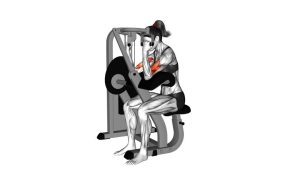
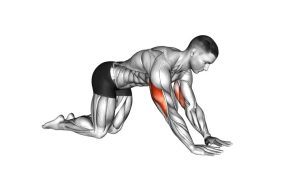
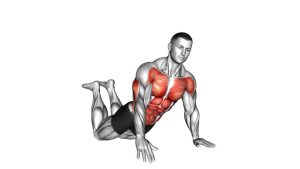
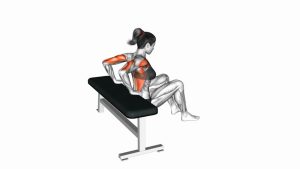
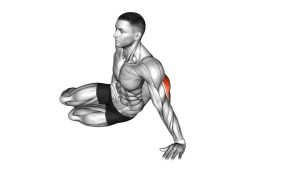
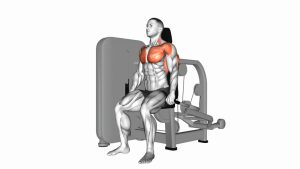
This exercise works best when each rep is performed with a controlled descent, a stable torso, and a smooth press back to the top. The knee assistance allows you to focus on triceps engagement without relying on momentum or compensating with excessive forward lean. You should feel the triceps doing most of the work, with the shoulders staying stable and the chest only assisting lightly.
Quick Overview
| Body Part | Triceps |
|---|---|
| Primary Muscle | Triceps brachii |
| Secondary Muscle | Anterior deltoids, lower chest, scapular stabilizers |
| Equipment | Assisted dip machine or parallel dip station with kneeling pad support |
| Difficulty | Beginner to Intermediate |
Sets & Reps (By Goal)
- Muscle building: 3-4 sets x 8-12 reps with controlled tempo and moderate assistance
- Strength development: 4-5 sets x 5-8 reps with lower assistance and longer rest periods
- Technique practice: 2-4 sets x 6-10 reps focusing on posture, elbow path, and smooth control
- Beginner progression: 2-3 sets x 10-15 reps using enough assistance to maintain clean form
Progression rule: Reduce the machine assistance gradually over time while keeping full control of the eccentric and maintaining an upright torso.
Setup / Starting Position
- Set the machine assistance: Choose a support level that allows you to complete all reps with clean form and no excessive swinging.
- Grip the handles firmly: Place your hands evenly on the dip bars with wrists neutral and elbows pointed generally backward.
- Place knees on the pad: Kneel securely on the assistance platform and stabilize your body before starting the rep.
- Lift into the top position: Start with arms extended, shoulders down, chest up, and torso nearly upright.
- Brace your core: Keep the ribcage controlled and avoid arching excessively through the lower back.
Tip: A more upright torso and tighter elbow path usually increase triceps emphasis, while too much forward lean shifts more work to the chest.
Execution (Step-by-Step)
- Start tall at the top: Lock in your grip, keep your shoulders depressed, and maintain a stable kneeling position on the pad.
- Lower under control: Bend your elbows and descend slowly, keeping them close to your sides instead of flaring out wide.
- Stay upright: Keep your torso mostly vertical so the triceps remain the main driver of the movement.
- Reach a safe bottom position: Lower until your elbows are around 90 degrees or slightly deeper if your shoulders tolerate it comfortably.
- Press back up: Drive through your palms and extend your elbows until you return to the top position.
- Finish with control: Reach full extension without slamming into lockout, then stabilize before beginning the next repetition.
Pro Tips & Common Mistakes
- Keep the elbows tracking back: This helps maintain stronger triceps involvement and cleaner mechanics.
- Do not rush the eccentric: A slow lowering phase improves muscle tension and control.
- Avoid excessive forward lean: Leaning too far forward turns the movement into a more chest-dominant dip.
- Do not drop too deep: Going lower than your shoulder mobility allows can create unnecessary joint stress.
- Keep shoulders down: Shrugging at the top or bottom reduces stability and can irritate the shoulders.
- Use enough assistance: The right support level lets you build strength with quality reps instead of compensating.
- Pause briefly at the top: Reset your posture before each rep instead of rebounding immediately.
FAQ
What muscles does the Assisted Triceps Dip (Kneeling) work?
The main target is the triceps brachii. The front shoulders, lower chest, and stabilizing muscles of the upper body also assist during the movement.
Is this exercise good for beginners?
Yes. The kneeling assistance makes it much more beginner-friendly than a full bodyweight dip because it reduces the effective load and allows better control.
How upright should my torso be?
For more triceps emphasis, keep your torso mostly upright. A slight lean is normal, but too much forward angle shifts more of the exercise toward the chest.
How much assistance should I use?
Use enough assistance to complete your target reps with smooth form, controlled depth, and no swinging. As you get stronger, reduce the assistance gradually.
Should I lock out fully at the top?
You can reach full elbow extension, but do it under control. Avoid snapping into lockout aggressively, especially if your elbows feel irritated.
Recommended Equipment
- Dip Belt — useful for progressing from assisted dips to heavier loaded dip variations later on
- Training Grips for Dip Bars — can improve comfort and grip security during repeated upper-body training sessions
- Resistance Bands Set — helpful for triceps warm-ups, assistance drills, and accessory pressing work
- Elbow Sleeves — provide warmth and support during pressing and dip-focused workouts
- Calisthenics Dip Bars — a practical tool for building dip strength at home and transitioning toward unassisted reps
Tip: Start with controlled bodyweight support and technique work first. Extra equipment should improve comfort or progression, not replace proper form.