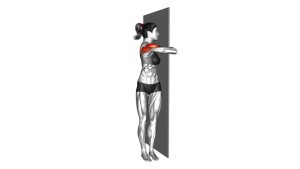
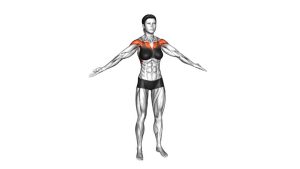
Seated Shoulder Flexor Depressor Retractor Stretch: Form, Benefits, Tips & FAQ
Learn the Seated Shoulder Flexor Depressor Retractor Stretch Bent Knee to open the chest, stretch the front shoulders, improve scapular posture, and reduce upper-body tightness.
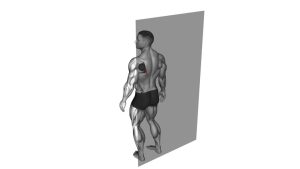
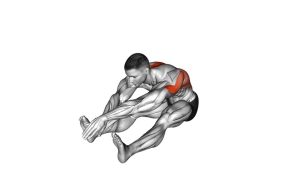
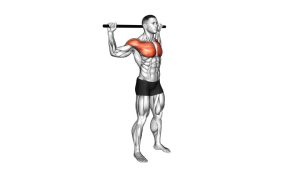
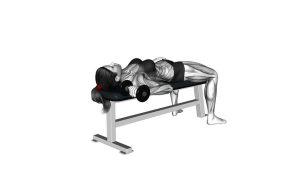
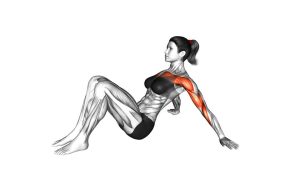
Seated Shoulder Flexor Depressor Retractor Stretch Bent Knee
This exercise is best used as a controlled posture and mobility stretch, especially for people who spend long periods sitting, typing, pressing, or training movements that create tightness across the front of the shoulders. The goal is not to collapse backward into the arms. Instead, think of creating a tall seated position while the hands behind you help guide the chest open and the shoulder blades down and back.
Quick Overview
| Body Part | Shoulders |
|---|---|
| Primary Muscle | Anterior deltoids and shoulder flexor line |
| Secondary Muscle | Pectoralis major/minor, biceps long head, rhomboids, middle trapezius, lower trapezius |
| Equipment | None; optional exercise mat or yoga blocks |
| Difficulty | Beginner-friendly mobility stretch |
Sets & Reps (By Goal)
- General shoulder mobility: 2–3 sets × 20–40 second holds
- Posture reset / desk break: 1–2 sets × 15–30 second holds
- Warm-up before upper-body training: 1–2 sets × 20–30 second holds, easy intensity
- Cool-down chest and front-shoulder release: 2–4 sets × 30–60 second holds
- Beginner flexibility work: 2 sets × 15–25 second holds with a small range
Progression rule: Increase hold time before increasing range. Your chest should open gradually while the shoulders stay down, not jammed forward or pinched.
Setup / Starting Position
- Sit on the floor: Bend both knees and place your feet flat in front of you about hip-width apart.
- Place your hands behind you: Set both palms on the floor behind the hips with fingers pointing slightly outward or backward.
- Lengthen your spine: Sit tall through the crown of the head without rounding the upper back.
- Relax your neck: Keep the head neutral and avoid jutting the chin forward.
- Set the shoulders: Gently draw the shoulder blades down and back before leaning into the stretch.
If your shoulders feel restricted, move your hands farther away from your hips or slightly wider. If the stretch feels too easy, gradually walk the hands closer.
Execution (Step-by-Step)
- Press into the floor: Push your palms gently down to create support through the arms.
- Lift the chest: Open the sternum forward and upward without arching aggressively through the lower back.
- Retract the shoulder blades: Squeeze the shoulder blades slightly together, as if widening the collarbones.
- Depress the shoulders: Keep the shoulders away from the ears so the neck stays long and relaxed.
- Hold the stretch: Maintain a mild to moderate stretch across the front shoulders and chest while breathing slowly.
- Exit carefully: Release the pressure through the hands, bring the torso back to neutral, and gently shake out the shoulders if needed.
Pro Tips & Common Mistakes
- Keep the chest lifted: A rounded upper back reduces the stretch and shifts pressure into the wrists and shoulders.
- Avoid shrugging: If the shoulders rise toward the ears, reduce range and focus on shoulder depression.
- Do not force shoulder extension: The stretch should feel open, not pinchy or sharp.
- Keep elbows controlled: Straight arms are fine, but do not hyperlock the elbows aggressively.
- Use the bent knees for stability: The legs help prevent sliding and allow better control of torso position.
- Breathe into the chest: Slow breathing helps reduce guarding and allows the front shoulder tissues to relax.
- Adjust hand distance: Hands farther back usually reduce intensity; hands closer to the hips usually increase intensity.
- Do not collapse into the lower back: Keep the ribs controlled so the stretch stays in the shoulders and chest.
FAQ
What muscles does this seated shoulder stretch target?
It mainly stretches the front shoulders, especially the anterior deltoids and shoulder flexor line. It also opens the chest and lightly lengthens the biceps long head while reinforcing scapular retraction and depression.
Should I feel this more in my shoulders or chest?
Most people feel it across the front shoulders and upper chest. A mild stretch in both areas is normal. Sharp pinching in the shoulder joint is not the goal and usually means your hands are too close or your shoulders are rolling forward.
Can beginners do this exercise?
Yes. The bent-knee seated setup makes it beginner-friendly because the legs provide balance and control. Beginners should use a small range, keep the hands slightly farther behind the hips, and hold only mild tension.
Is this good for rounded shoulders?
It can help as part of a balanced posture routine because it opens the front of the shoulders and encourages the shoulder blades to move back and down. For best results, pair it with upper-back strengthening such as rows, face pulls, band pull-aparts, or prone retraction drills.
Why do my wrists feel uncomfortable?
Wrist discomfort can happen if too much body weight is placed into the palms or if the fingers are angled poorly. Try turning the fingers slightly outward, moving the hands wider, using yoga blocks, or reducing how far you lean back.
How long should I hold the stretch?
A good starting point is 20–40 seconds per set. Keep the intensity controlled and repeat for 2–3 sets depending on your goal.
Recommended Equipment
- Non-Slip Exercise / Yoga Mat — provides floor comfort and helps keep the feet and hands stable during seated mobility work
- Foam Yoga Blocks — useful under the hands if wrist extension or shoulder range feels limited
- Shoulder Resistance Bands — helpful for pairing this stretch with rows, pull-aparts, and posture-strengthening work
- Light Posture Corrector Brace — can be used as a reminder tool for shoulder positioning, not as a replacement for training
- Lacrosse Massage Ball — useful for gentle chest, upper-back, and shoulder soft-tissue release before stretching
Equipment note: Choose tools that help you stay relaxed and controlled. If any product increases shoulder pinching, wrist pain, numbness, or nerve-like symptoms, stop using it.