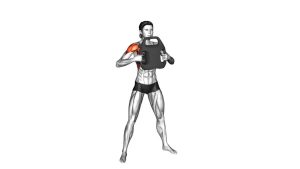
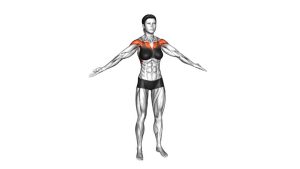
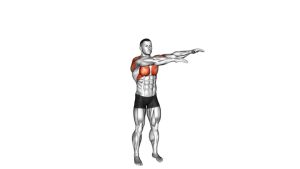
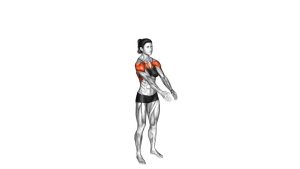
Overhead Clap: Proper Form, Benefits, Sets, Tips & FAQ
Learn how to do the Overhead Clap with proper form to improve shoulder mobility, warm up the delts, and build overhead coordination. Includes setup, execution, sets and reps, mistakes, FAQs, and recommended equipment.
Overhead Clap
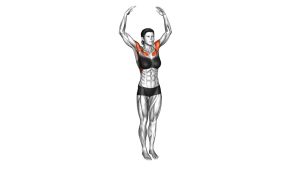
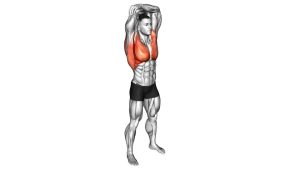
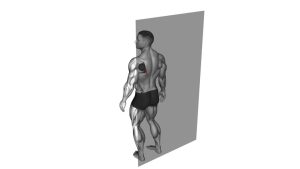
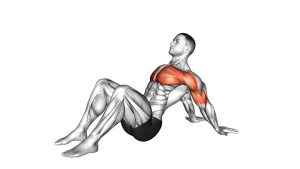
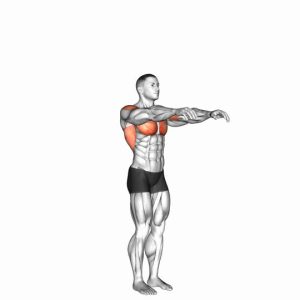
This exercise is best performed with smooth rhythm and clean shoulder mechanics. The goal is not to slam the hands together, but to move through a comfortable overhead range while keeping the torso tall, the ribs controlled, and the shoulders moving freely. You should feel light work in the front and side shoulders, along with gentle activation through the upper body.
Quick Overview
| Body Part | Front Shoulders |
|---|---|
| Primary Muscle | Anterior deltoids |
| Secondary Muscle | Lateral deltoids, upper trapezius, serratus anterior, upper chest |
| Equipment | None |
| Difficulty | Beginner (excellent for warm-ups, mobility work, and shoulder activation) |
Sets & Reps (By Goal)
- General warm-up: 2–3 sets × 10–15 reps with controlled tempo
- Shoulder mobility practice: 2–4 sets × 8–12 reps with a brief pause overhead
- Light conditioning / movement prep: 2–3 sets × 15–25 reps at a steady rhythm
- Desk break reset: 1–2 sets × 8–10 easy reps to open the shoulders and encourage movement
Progression rule: First improve range, rhythm, and posture. Then increase reps or slow the tempo. Do not turn the movement into a rushed swing just to add volume.
Setup / Starting Position
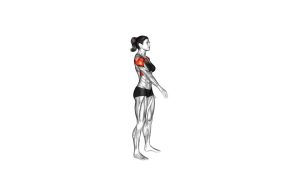
- Stand tall: Place your feet about hip-width apart and keep your weight balanced evenly.
- Set your posture: Keep the chest lifted, ribs stacked over the hips, and head neutral.
- Relax the shoulders: Let the arms hang at your sides with the elbows softly extended.
- Create space: Make sure you have enough room overhead and to each side to move freely.
- Brace lightly: Tighten the midsection just enough to avoid arching the lower back as the arms rise.
Tip: If full overhead range feels stiff, start with smaller arcs and gradually increase the height as your shoulders warm up.
Execution (Step-by-Step)
- Start from your sides: Begin with the arms down and posture tall.
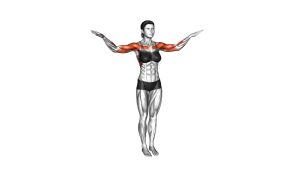
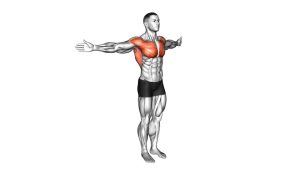
- Raise the arms outward: Sweep both arms up in a wide arc, similar to the upper-body portion of a jumping jack.
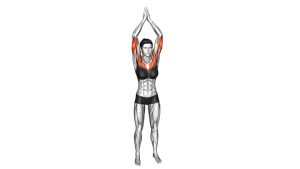
- Reach overhead: Continue until the hands meet above the head in a light clap or controlled touch.
- Keep the body quiet: Avoid leaning back, shrugging excessively, or bending the elbows too much.
- Lower with control: Return the arms down along the same path until they reach the starting position.
- Repeat smoothly: Continue for the planned number of reps using a steady, pain-free rhythm.
Pro Tips & Common Mistakes
- Move through a wide arc: Let the arms travel out to the sides rather than straight in front.
- Keep the ribs down: Avoid leaning back to fake extra overhead range.
- Use a light clap: The top position is a controlled touch, not a forceful slam.
- Stay relaxed through the neck: Some upper-trap involvement is normal, but don’t let shrugging dominate the motion.
- Lower under control: Don’t let gravity drop the arms on the way down.
- Match both sides: Try to keep the arms even and symmetrical throughout the rep.
- Use before pressing workouts: This drill fits well before shoulder presses, landmine presses, or upper-body training.
FAQ
What is the Overhead Clap good for?
It is useful as a shoulder warm-up, a mobility drill, and a simple way to practice smooth overhead arm movement before training.
Which muscles does the Overhead Clap work?
The movement mainly involves the anterior deltoids, while the lateral delts, upper traps, serratus anterior, and upper chest assist in raising and controlling the arms overhead.
Should I do this fast or slow?
A controlled, moderate rhythm is usually best. Fast reps often turn the movement into arm swinging, which reduces quality and makes posture harder to maintain.
Can beginners use this as a daily shoulder movement?
Yes, many people can perform it regularly as long as it stays pain-free and the volume is reasonable. It works especially well during warm-ups, movement breaks, or recovery sessions.
What if I cannot clap fully overhead?
That is fine. Work within a comfortable range and gradually improve your motion over time. Clean reps through a smaller range are better than forcing a painful overhead position.
Recommended Equipment
- Resistance Loop Bands — useful for shoulder activation, pull-aparts, and adding light resistance to warm-up work
- Non-Slip Yoga Mat — helpful for floor-based mobility, stretching, and general movement prep
- Light Neoprene Dumbbells — ideal for progressing into very light shoulder raises and beginner upper-body conditioning
- Over-the-Door Shoulder Pulley — useful for gentle range-of-motion work if you want extra shoulder mobility practice
- Exercise / Stretching Mat — a simple option for pairing this drill with full shoulder and thoracic mobility sessions
Tip: For this exercise, equipment is optional. The main priority is smooth overhead movement, controlled posture, and a pain-free range of motion.