Kettlebell Neutral-Grip Bench Press: Chest Form, Sets, Tips & FAQ
Learn how to do the Kettlebell Neutral-Grip Bench Press with proper form. Build chest, triceps, and shoulder stability with step-by-step cues, sets, mistakes, FAQs, and equipment.
Kettlebell Neutral-Grip Bench Press
This exercise is excellent for lifters who want a strong chest press without relying only on barbells or dumbbells. The kettlebells create a slightly unstable load, which forces you to press with control instead of bouncing or rushing the movement. Each rep should feel smooth, balanced, and deliberate. The goal is not only to press the weight up, but also to keep the bells steady from the bottom position to the top lockout.
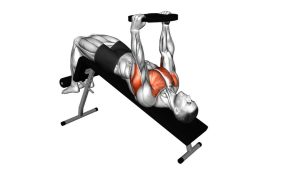
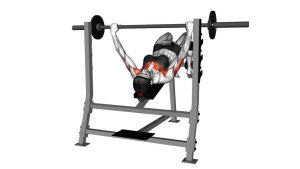
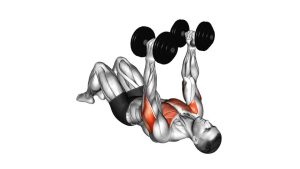
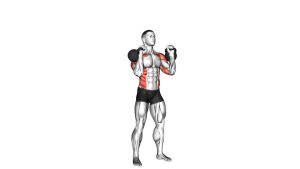
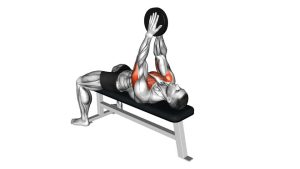
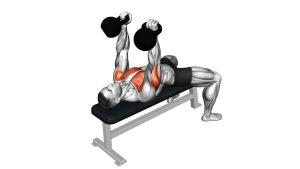
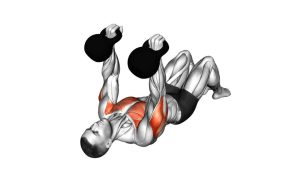
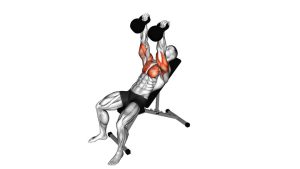
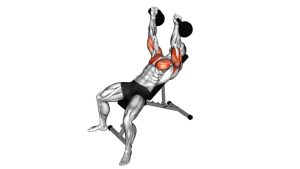
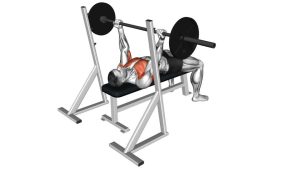
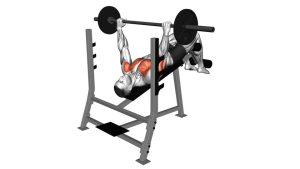
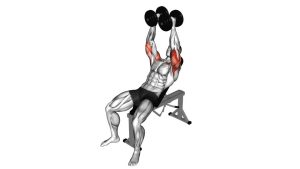
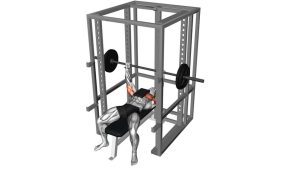
In the video, the lifter lies flat on the bench, keeps the feet planted, holds one kettlebell in each hand, and presses both bells upward with a neutral hand position. The elbows stay slightly tucked, the wrists remain stacked, and the shoulders stay packed against the bench. This makes the exercise useful for building chest strength, improving pressing mechanics, and developing better control through the full range of motion.
Quick Overview
| Body Part | Chest |
|---|---|
| Primary Muscle | Pectoralis major |
| Secondary Muscle | Triceps brachii, anterior deltoids, rotator cuff, forearms, core stabilizers |
| Equipment | Flat bench and two kettlebells |
| Difficulty | Intermediate because of the extra kettlebell stability demand |
Sets & Reps (By Goal)
- Chest strength: 4–5 sets × 4–6 reps with heavier kettlebells and 2–3 minutes of rest.
- Muscle growth: 3–4 sets × 8–12 reps with controlled lowering and 60–90 seconds of rest.
- Stability and control: 3 sets × 10–15 reps using moderate weight and a slow tempo.
- Beginner practice: 2–3 sets × 8–10 reps with light kettlebells to master the path and wrist position.
- Upper-body finisher: 2 sets × 12–15 reps after heavier chest work, keeping the reps clean and steady.
Progression rule: Increase reps first, then increase kettlebell weight. Do not progress if the bells wobble excessively, the wrists bend back, or the elbows flare too wide.
Setup / Starting Position
- Choose the right kettlebells: Select a pair you can control easily. The offset weight makes kettlebells feel different from dumbbells.
- Sit at the end of the bench: Place the kettlebells close to your thighs so you can safely bring them into position.
- Lie back carefully: Use your legs to help guide the kettlebells back as you lie down on the bench.
- Set your base: Keep your feet flat on the floor, glutes on the bench, ribs controlled, and upper back tight.
- Pack the shoulders: Pull your shoulder blades slightly back and down into the bench. Avoid shrugging.
- Set the grip: Hold the kettlebells with a neutral grip, palms facing each other, wrists straight, and handles secure.
- Position the elbows: Keep the elbows slightly tucked, around 30–45 degrees from the torso, instead of flaring them straight out.
The starting position should feel stable before you press. If the kettlebells are shaking before the first rep, reduce the weight and rebuild control.
Execution (Step-by-Step)
- Start at chest level: Hold the kettlebells beside the lower-to-mid chest with your forearms vertical and wrists stacked over the elbows.
- Brace gently: Tighten your core, press your feet into the floor, and keep the upper back connected to the bench.
- Press upward: Drive both kettlebells up at the same time while keeping the palms facing each other.
- Follow a natural arc: Let the bells move slightly inward as they rise, but do not crash them together at the top.
- Control the lockout: Extend the elbows fully or nearly fully without snapping or hyperextending the joints.
- Keep the bells steady: At the top, the kettlebells should be stacked over the shoulders with minimal wobble.
- Lower slowly: Bend the elbows and guide the kettlebells back down along the same path.
- Stop at a safe depth: Lower until you feel a chest stretch while your shoulders remain stable and pain-free.
- Repeat with control: Begin the next rep without bouncing from the bottom or losing wrist position.
Pro Tips & Common Mistakes
- Keep a true neutral grip: Palms should face each other throughout the press. Do not rotate into a wide dumbbell-style grip.
- Do not flare the elbows: Excessive elbow flare can increase shoulder stress and reduce the benefit of the neutral-grip position.
- Control the kettlebells: The bells should not swing, twist, or collapse toward the wrists.
- Use a slower lowering phase: A 2–3 second eccentric helps build chest tension and improves control.
- Avoid bouncing at the bottom: Pause lightly or reverse smoothly instead of using momentum.
- Do not shrug at the top: Keep the shoulders down and stable against the bench.
- Keep wrists straight: Bent wrists reduce force transfer and can make the press uncomfortable.
- Use equal pressure: Press both kettlebells evenly. One side should not finish much earlier than the other.
- Stay tight on the bench: A loose upper back makes the kettlebells harder to control.
- Choose quality over load: This exercise rewards clean mechanics more than heavy ego lifting.
FAQ
Is the Kettlebell Neutral-Grip Bench Press good for chest growth?
Yes. It trains the pectoralis major through a horizontal pressing pattern while adding extra stability demand. For chest growth, use controlled reps, a full comfortable range of motion, and moderate-to-heavy kettlebells that allow clean form.
Is this exercise harder than a dumbbell bench press?
It can feel harder because kettlebells have an offset center of mass. The bell hangs below the handle, which challenges the wrists, shoulders, and forearms more than a standard dumbbell.
Should the kettlebells touch at the top?
They do not need to touch. Press them up until the arms are stacked and stable. If you force the bells together, you may lose shoulder position or reduce tension in the chest.
Is the neutral grip better for the shoulders?
For many lifters, the neutral grip feels more shoulder-friendly because it allows the elbows to stay tucked. However, comfort depends on your shoulder mobility, strength, and control. Use a pain-free range.
How low should I lower the kettlebells?
Lower until you feel a controlled chest stretch while the shoulders remain stable. Do not force the elbows far below the bench if it causes shoulder discomfort or loss of control.
Can beginners do this exercise?
Beginners can do it with very light kettlebells, but many should first learn the dumbbell neutral-grip bench press. Once wrist and shoulder control are solid, kettlebells can be added.
What muscles stabilize the kettlebells?
The rotator cuff, forearms, triceps, anterior deltoids, and core all help stabilize the bells. This is one reason the movement feels more technical than a machine chest press.
Recommended Equipment
- Cast Iron Kettlebell Set — ideal for progressive chest pressing and upper-body strength work.
- Adjustable Kettlebell — useful if you want multiple weight options without buying many separate bells.
- Flat Weight Bench — provides the stable pressing surface needed for proper bench press mechanics.
- Weightlifting Wrist Wraps — optional support for keeping the wrists stacked during heavier presses.
- Gym Floor Mat — helps protect flooring when setting kettlebells down before or after your set.
Choose equipment that supports control and safety. For this exercise, a stable bench and manageable kettlebell weight are more important than lifting the heaviest possible load.