Chin-to-Chest Stretch: Proper Form, Benefits, Tips & FAQ
Learn how to do the Chin-to-Chest Stretch with safe form, step-by-step technique, sets by goal, common mistakes, FAQs, and recommended equipment for neck mobility.
Chin-to-Chest Stretch
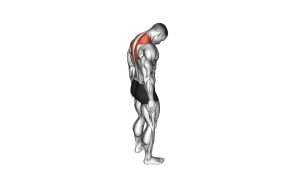
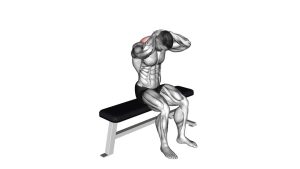
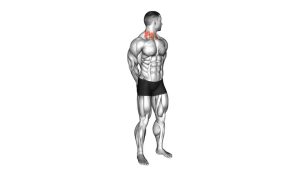
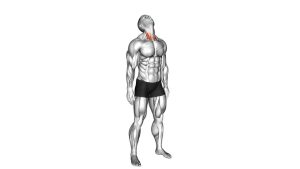
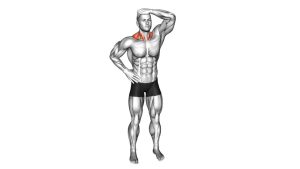
This stretch works best when it is performed with slow control rather than force. In the video, the movement begins from a tall standing posture, then the chin gradually travels downward toward the chest. The subject avoids bouncing, keeps the shoulders relaxed, and returns to neutral with the same controlled tempo. This makes the exercise useful for warm-ups, cooldowns, desk-break mobility, and gentle posture reset routines.
Quick Overview
| Body Part | Neck |
|---|---|
| Primary Muscle | Posterior cervical extensors |
| Secondary Muscle | Upper trapezius, levator scapulae, upper back stabilizers |
| Equipment | No equipment required |
| Difficulty | Beginner |
Sets & Reps (By Goal)
- Daily neck mobility: 2–3 sets × 15–30 second holds
- Desk break reset: 1–2 sets × 10–20 second holds
- Warm-up preparation: 1–2 sets × 5–8 slow reps
- Cooldown stretching: 2 sets × 20–40 second holds
- Posture routine: 2–3 sets × 6–10 controlled reps with a brief pause at the bottom
Progression rule: Increase time under stretch gradually. Do not force the chin lower. Better progress comes from smoother control, relaxed breathing, and consistent practice.
Setup / Starting Position
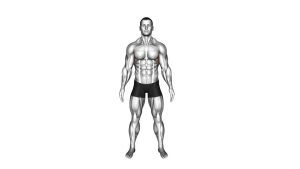
- Stand tall: Begin in an upright position with your feet stable and your body relaxed.
- Stack your posture: Keep the ribs down, spine long, and shoulders resting naturally away from the ears.
- Face forward: Start with your head neutral and your eyes looking straight ahead.
- Relax the jaw: Keep your mouth closed softly without clenching your teeth.
- Keep arms relaxed: Let the arms hang naturally by your sides so the neck does not brace.
Tip: Before moving, take one calm breath and allow the shoulders to drop. This helps prevent upper-trap tension from taking over the stretch.
Execution (Step-by-Step)
- Begin from neutral: Stand tall with your head aligned over your shoulders. Avoid pushing the head forward before starting.
- Lower the chin slowly: Let the chin travel down toward the upper chest in a smooth, controlled motion.
- Keep the shoulders relaxed: Do not shrug, round aggressively, or pull the shoulders upward.
- Pause at the bottom: Hold the stretch gently when you feel mild tension along the back of the neck.
- Breathe calmly: Avoid holding your breath. Use slow nasal breathing to reduce neck guarding.
- Return with control: Lift the head back to neutral slowly. Do not snap or throw the head back.
- Reset posture: Finish tall with the face forward, neck long, and shoulders relaxed.
Pro Tips & Common Mistakes
- Move slowly: The stretch should never be dropped into quickly. Slow movement protects the neck and improves control.
- Avoid bouncing: Do not pulse at the bottom position. Hold gently and breathe.
- Do not force the chin down: More range is not always better. Mild stretch is enough.
- Keep the shoulders heavy: If the shoulders lift, the upper traps may create more tension instead of releasing it.
- Avoid jaw clenching: A tight jaw often increases neck tension. Keep the face relaxed.
- Do not turn the head: This version is straight down only. Keep the nose centered.
- Return slowly: The return phase is part of the exercise. Do not rush back to neutral.
- Use it with posture work: Pair this stretch with chin tucks, rows, face pulls, and thoracic mobility for a complete posture routine.
FAQ
What does the chin-to-chest stretch target?
It mainly stretches the muscles along the back of the neck, especially the posterior cervical extensors. It can also create gentle tension through the upper traps and levator scapulae depending on your posture.
Should my chin touch my chest?
Not necessarily. The goal is not to force contact. Lower the chin only until you feel a comfortable stretch. Some people will touch the chest easily, while others should stop higher.
Is this exercise good for tech neck?
It can help reduce stiffness from prolonged sitting and screen posture. However, for best results, combine it with deep neck flexor work, upper-back strengthening, and regular posture breaks.
How long should I hold the stretch?
Most people do well with 15–30 seconds per hold. If you are using it as a quick desk reset, even 10–20 seconds can help when performed gently.
Why do I feel this in my upper back?
Mild upper-back tension can happen because the neck and upper thoracic area are connected. If the stretch feels too intense, reduce the range and keep the shoulders relaxed.
Can I do this stretch every day?
Yes, many people can perform it daily at low intensity. Keep the stretch gentle and avoid pushing into pain, dizziness, nerve symptoms, or headache-like pressure.
Recommended Equipment (Optional)
- Exercise Mat — useful for pairing this stretch with floor-based neck mobility and relaxation drills
- Cervical Contour Pillow — supports neck alignment during rest and recovery
- Cervical Neck Roll — helps support the natural neck curve during gentle mobility work
- Posture Corrector Brace — can act as a light posture reminder during desk work
- Resistance Bands Set — helpful for upper-back strengthening exercises that complement neck stretching
Tip: Equipment is optional. The chin-to-chest stretch can be performed anywhere, but support tools may help you build a more complete neck and posture routine.