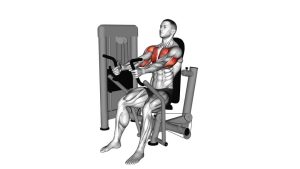
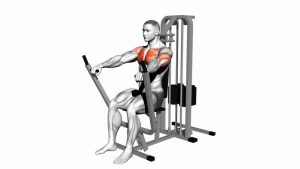
Lever Seated Fly: Proper Form, Sets & Reps, Tips, and FAQs (Chest Fly Machine)
Learn how to do the Lever Seated Fly with perfect form for chest hypertrophy. Step-by-step technique, sets & reps by goal, common mistakes, FAQs, and recommended equipment.
Lever Seated Fly
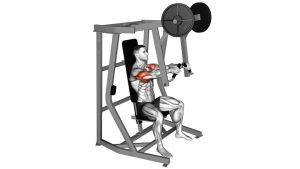
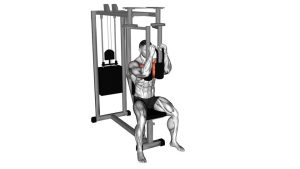
This variation is ideal for building the chest with stable positioning and consistent resistance. Your goal is to feel the pecs doing the work—not the shoulders or traps. Keep your torso steady against the pad and move through a comfortable range that allows a strong squeeze without shoulder discomfort.
Quick Overview
| Body Part | Chest |
|---|---|
| Primary Muscle | Pectoralis major (mid-chest emphasis) |
| Secondary Muscle | Anterior deltoids (minimal), biceps (stabilization), scapular stabilizers |
| Equipment | Lever chest fly machine (pec fly / machine fly) |
| Difficulty | Beginner–Intermediate (excellent for isolation and controlled hypertrophy) |
Sets & Reps (By Goal)
- Hypertrophy (main focus): 3–4 sets × 8–15 reps (60–90 sec rest)
- Strength support (controlled heavier): 3–5 sets × 6–10 reps (90–120 sec rest)
- Chest pump / finisher: 2–4 sets × 15–25 reps (30–60 sec rest)
- Technique & mind-muscle: 2–3 sets × 10–12 reps (2-sec squeeze, 60 sec rest)
Progression rule: Add reps first while keeping perfect control (especially on the way back). When you can hit the top of your rep range with clean reps, increase the load slightly.
Setup / Starting Position
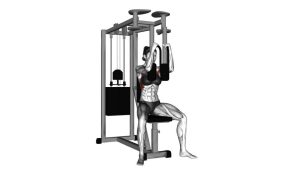
- Set the seat height: Handles should line up with mid-chest level, and your upper arms should be just below or roughly in line with the shoulders.
- Back to the pad: Sit tall with the upper back and head comfortably supported. Keep ribs down—avoid over-arching the lower back.
- Foot position: Feet flat and slightly staggered if needed for extra stability.
- Shoulders set: Pull shoulders gently down and back (no shrugging). Chest stays “open.”
- Elbows soft: Maintain a slight elbow bend and keep it consistent throughout the set.
Tip: If the machine allows it, choose a handle position that feels natural on the shoulders. You should feel a chest stretch at the open position without painful pinching.
Execution (Step-by-Step)
- Start open under control: Begin with arms out to the sides and a proud chest. Keep wrists neutral and elbows slightly bent.
- Bring the arms inward in an arc: Drive the upper arms toward the midline as if “hugging a barrel.” Do not turn it into a pressing motion.
- Squeeze the pecs: At the center, pause 1–2 seconds and think “chest together,” not “hands together.”
- Return slowly: Open back up with a controlled 2–3 second eccentric until you feel a stretch across the chest.
- Repeat with the same path: Keep the torso still, shoulders down, and reps smooth—no bouncing or slamming the stack/levers.
Pro Tips & Common Mistakes
- Keep elbows “soft” and consistent: Bending/straightening the elbows turns the fly into a press.
- Control the eccentric: The slow return is where chest growth often happens—don’t rush it.
- Don’t shrug: Traps taking over = shoulders drifting up. Keep them down.
- Avoid over-stretching: Don’t let the arms drift too far back if it irritates the shoulder.
- Stay glued to the pad: No torso rocking to “cheat” reps. Lower the load if you have to swing.
- Use a squeeze cue: “Bring biceps toward each other” often improves pec engagement.
FAQ
Where should I feel the Lever Seated Fly?
You should feel the chest stretching in the open position and contracting hard as you bring the arms inward. If you mainly feel the front shoulder, reduce range slightly, lighten the load, and keep shoulders down and back.
Should I touch the handles together at the top?
Not necessary. Aim for a strong pec squeeze at the center with controlled tension. Stopping just short of handle contact can keep constant tension and prevent shoulder drifting.
Is this better than dumbbell flies?
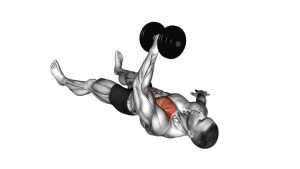
They’re different. The machine offers a stable path and consistent resistance, often making it easier to isolate the chest. Dumbbell flies require more stabilization and can be harder to control. Many programs use both.
What’s the best rep range for chest growth on this machine?
Most lifters grow well with 8–15 reps for multiple sets, plus occasional higher-rep pump work (15–25). Prioritize clean reps and a slow eccentric.
How do I avoid shoulder pain on fly machines?
Use a comfortable range, keep shoulders down and back, avoid over-stretching, and reduce load. If pain persists, switch to a more shoulder-friendly option (cable fly with adjusted angle) and get guidance if needed.
Recommended Equipment (Optional)
- Lifting Straps — improve grip comfort if handles fatigue your hands before the chest
- Workout Gloves (Women) — reduce handle pressure and help keep grip relaxed during higher reps
- Resistance Bands Set — great for warm-ups (band pull-aparts) and chest activation before machine work
- Foam Roller — helps upper-back mobility so you can keep a proud chest and stable shoulders
- Shoulder Support Wrap — optional warmth/compression if your shoulders feel cranky (not a fix for bad form)
Tip: Equipment should support good form—not replace it. If any item increases pain or numbness, stop using it and reassess.