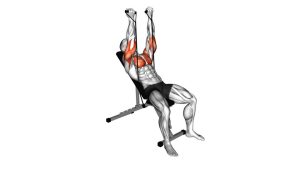
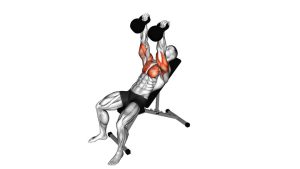
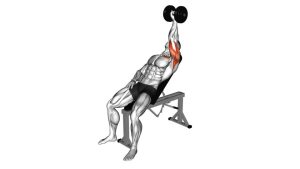
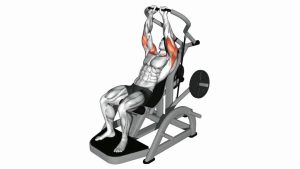
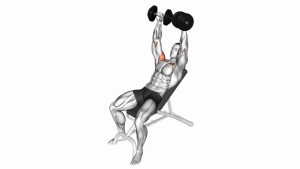
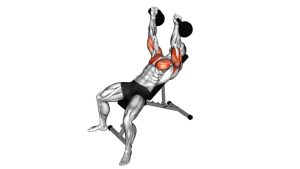
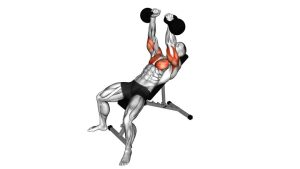
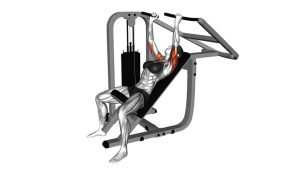
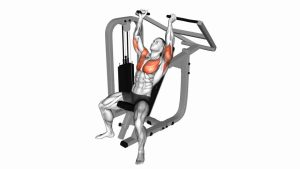
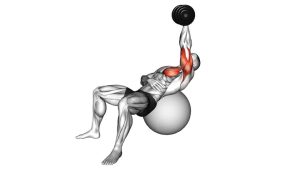
Barbell Incline Bench Press: Proper Form, Sets & Reps, Tips (Upper Chest Focus)
Learn how to do the Barbell Incline Bench Press with perfect form to target the upper chest. Step-by-step cues, sets & reps by goal, common mistakes, FAQs, and recommended equipment.
Barbell Incline Bench Press
This lift rewards tight setup and consistent bar path. You’ll get the most upper-chest stimulus when you keep the ribcage “tall,” maintain scapular retraction, and lower the bar under control to the same touch point each rep. If your shoulders take over, reduce the bench angle and bring your elbows slightly closer to your torso.
Quick Overview
| Body Part | Chest |
|---|---|
| Primary Muscle | Upper chest (clavicular head of pectoralis major) |
| Secondary Muscle | Anterior deltoids, triceps brachii |
| Equipment | Incline bench, barbell (optional: collars, rack/safety arms) |
| Difficulty | Beginner–Intermediate (more technical than flat bench) |
Sets & Reps (By Goal)
- Strength focus: 3–6 sets × 3–6 reps (2–3 min rest)
- Hypertrophy (upper chest growth): 3–5 sets × 6–12 reps (60–120 sec rest)
- Technique / controlled volume: 2–4 sets × 8–10 reps (light–moderate, perfect form)
- End-of-workout pump: 2–3 sets × 10–15 reps (controlled tempo, stop 1–2 reps shy of failure)
Progression rule: Add reps first (within your target range), then add a small amount of load. Keep every rep consistent: same touch point, same tempo, same bar path.
Setup / Starting Position
- Set the incline: Use a moderate angle (about 30–45°). Too steep shifts work to the shoulders.
- Position under the bar: Eyes under the bar, head neutral on the bench.
- Feet planted: Drive feet into the floor for stability; keep glutes on the bench.
- Lock in the shoulders: Pull shoulder blades back and down (stable “shelf”).
- Grip: Slightly wider than shoulder-width; wrists stacked over elbows; thumbs wrapped.
- Unrack to a stable start: Bar over the upper chest/shoulder line with arms extended.
Tip: If you feel your wrists bending back, use a slightly lower bar position in the palm and keep knuckles up.
Execution (Step-by-Step)
- Breathe & brace: Inhale, tighten your torso, keep ribs controlled (no excessive flare).
- Lower with control: Bring the bar down to the upper chest (near the collarbone line, not the neck).
- Elbow path: Elbows travel down and slightly out—avoid extreme flare.
- Soft touch (or near-touch): Lightly touch the upper chest or stop just above it while staying tight.
- Press up and slightly back: Drive the bar upward toward the shoulder line, keeping wrists stacked.
- Finish strong: Lock out smoothly without losing shoulder position; reset breath and repeat.
Pro Tips & Common Mistakes
- Choose the right incline: 30–45° is usually best for upper chest without turning it into a shoulder press.
- Keep shoulder blades pinned: Retraction + depression protects shoulders and improves power.
- Don’t flare elbows hard: Moderate elbow angle is typically stronger and more joint-friendly.
- Control the descent: A slower eccentric boosts stimulus and keeps the bar path consistent.
- Wrists stacked: Don’t let the wrists fold back—keep the bar over the forearm.
- Avoid bouncing: Touch lightly and press; bouncing reduces control and can irritate shoulders.
- Use collars & safeties: Especially when training close to failure or without a spotter.
FAQ
Where should the bar touch on an incline bench press?
Typically the bar lowers to the upper chest (above the mid-chest line). Avoid lowering toward the throat/neck, which often increases shoulder stress.
What incline angle is best for upper chest?
Most lifters get the best upper-chest emphasis around 30–45°. If the angle is too steep, the lift becomes more shoulder-dominant.
Should I use a wide or narrow grip?
A slightly wider than shoulder-width grip works well for most people. Too wide can stress shoulders; too narrow shifts more work to the triceps.
Why do I feel my shoulders more than my chest?
Common reasons include a bench angle that’s too steep, elbows flaring, or losing shoulder-blade position. Try lowering the incline slightly, pinning the scapula, and using a controlled eccentric.
Is it okay if the bar doesn’t touch my chest?
Yes—especially if shoulder mobility is limited. You can stop just above the chest while staying tight, as long as the range is consistent and pain-free.
Recommended Equipment
- Adjustable Incline Weight Bench — stable incline angles (30–45°) for consistent upper-chest pressing
- Olympic Barbell (45 lb) — standard bar with good knurling for secure pressing
- Barbell Collars (2") — keeps plates locked in place for safer, more stable reps
- Power Rack with Safety Arms — ideal for incline pressing safely when training without a spotter
- Wrist Wraps (Optional) — extra wrist support if you struggle to keep wrists stacked under heavier loads
Tip: For best results, pair incline barbell pressing with a fly variation and an upper-back pull (rows/face pulls) to keep shoulders healthy and posture strong.