Alternate Upper Chest Raise: Upper Chest Activation, Form, Sets & Tips
Learn the Alternate Upper Chest Raise (cross-body upper chest raise) to target the upper pecs with smooth, shoulder-friendly reps. Includes quick overview, sets by goal, step-by-step form, mistakes, FAQ, and recommended gear.
Alternate Upper Chest Raise
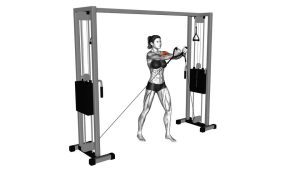
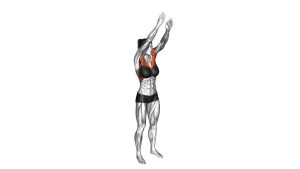
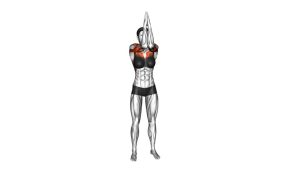
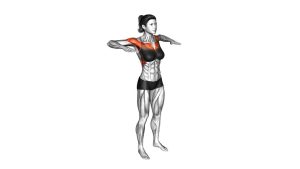
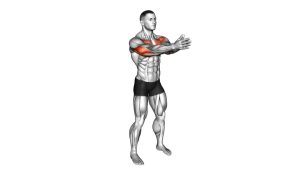
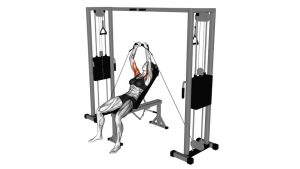
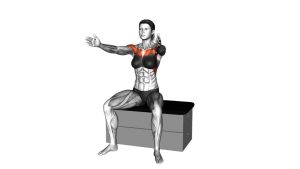
This exercise is all about clean reps. Your torso stays still while one arm lifts diagonally across the chest to about shoulder height, then returns under control. You should feel the upper chest and front shoulder working—without shrugging, twisting, or using momentum.
Quick Overview
| Body Part | Chest |
|---|---|
| Primary Muscle | Upper chest (Clavicular head of pectoralis major) |
| Secondary Muscle | Anterior deltoid; serratus anterior (stabilization) |
| Equipment | None (optional: light dumbbells or resistance band for progression) |
| Difficulty | Beginner (excellent for warm-ups, activation, and shoulder-friendly chest work) |
Sets & Reps (By Goal)
- Warm-up / activation: 2–3 sets × 10–15 reps per side (easy pace, 30–45 sec rest)
- Mind-muscle connection: 2–4 sets × 12–20 reps per side (1–2 sec squeeze at top, 30–60 sec rest)
- Endurance / toning: 2–3 sets × 15–25 reps per side (smooth tempo, short rest)
- Shoulder-friendly accessory: 2–3 sets × 8–12 reps per side (slower tempo, strict form)
Progression rule: Add reps first, then add a short 1–2 second pause at the top. Only add light resistance if you can keep your shoulder down and your torso perfectly still.
Setup / Starting Position
- Stand tall: Feet hip-width, knees soft, ribs stacked over hips.
- Set shoulders: Shoulder blades gently down and back—no shrugging.
- Brace lightly: Tighten your core just enough to prevent twisting.
- Arms relaxed: Let both arms hang by your sides with a slight bend in the elbows.
- Pick a clean range: You’ll lift to about shoulder height—no higher if it causes pinching.
Tip: If you tend to rotate, perform it near a wall with your outer shoulder a few inches away—use it as a “no-twist” reference.
Execution (Step-by-Step)
- Lift across the chest: Raise one arm diagonally toward the opposite upper chest/shoulder line.
- Keep elbow soft: Maintain a slight bend—don’t lock the arm straight.
- Stop at shoulder height: Pause briefly and feel the upper chest engage.
- Lower slowly: Return the arm on the same path with control—no dropping.
- Alternate sides: Repeat with the other arm in a steady rhythm.
Pro Tips & Common Mistakes
- Think “across,” not “up”: A diagonal cross-body path hits the upper pec better than a straight front raise.
- Stay relaxed in the neck: If your traps take over, drop the shoulder and reduce effort.
- Control the lowering: The eccentric (down phase) builds control and keeps the shoulder happy.
- Don’t rotate your torso: Twisting turns it into a full-body swing and steals chest tension.
- Keep the range pain-free: Shoulder pinching = shorten the range and keep the arm slightly in front of the body.
- Use pauses for intensity: A 1–2 second pause at the top beats adding heavy resistance too early.
FAQ
Where should I feel this exercise?
Most people feel it in the upper chest and the front shoulder. If you only feel traps/neck, relax the shoulder down and slow the tempo.
Is this an upper chest exercise or a shoulder exercise?
It’s a mix, but the cross-body diagonal path can bias the clavicular pec fibers. Keep the torso still and focus on squeezing the upper chest at the top.
How high should I lift my arm?
Aim for about shoulder height. Higher isn’t better if it causes shrugging or shoulder pinching. Stay in a smooth, controlled range.
Can I add weight or bands?
Yes—once your reps are strict. Start with very light dumbbells or a light resistance band. Maintain the same cross-body path and avoid swinging.
When should I use this in my workout?
Use it as a chest warm-up before presses/flys, or as a finisher for a light upper-chest pump. It also works well as a short desk-break activation drill.
Recommended Equipment (Optional)
- Light Dumbbells (2–10 lb range) — easy progression without losing form
- Adjustable Dumbbells Set — scalable resistance for home chest training
- Resistance Bands with Handles — adds smooth tension while keeping joints friendly
- Door Anchor for Bands — useful if you progress into chest fly/press band variations
- Non-Slip Exercise Mat — comfort and stability for warm-ups and accessory work
Tip: Choose tools that help you stay strict. If adding resistance makes you swing or shrug, go lighter and slow down.