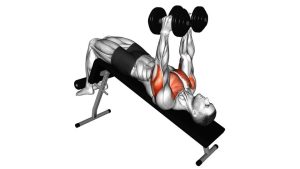
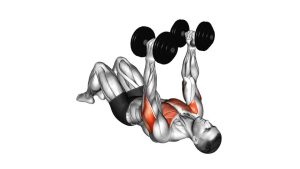
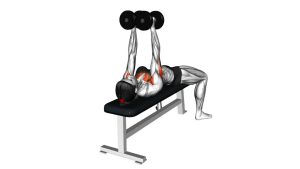
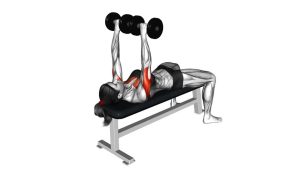
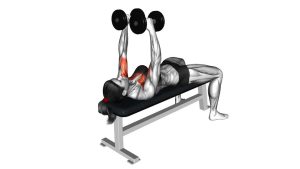
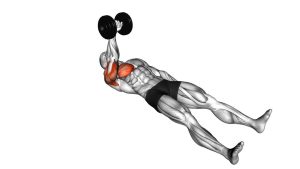
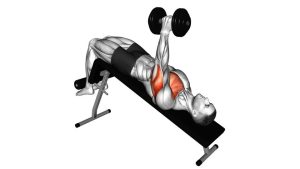
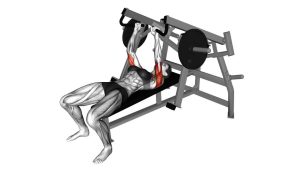
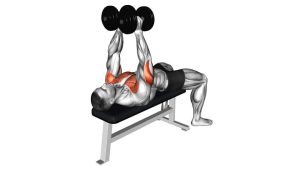
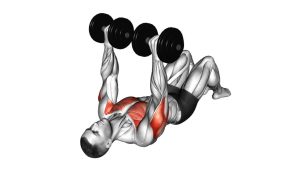
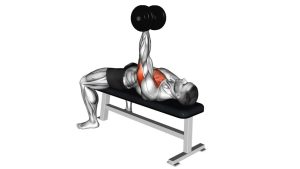
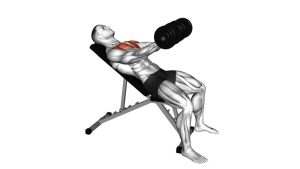
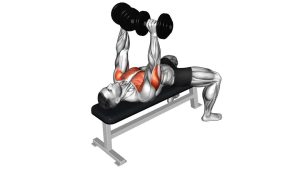
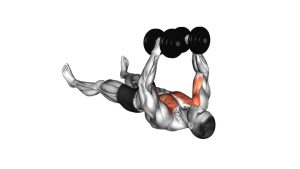
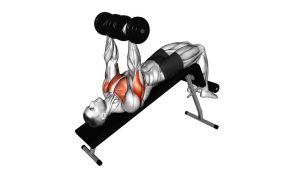
Dumbbell Decline Bench Press: Proper Form, Muscles Worked, Sets & Reps, Tips
Learn how to do the Dumbbell Decline Bench Press to build lower-chest strength and size. Step-by-step form, sets & reps by goal, common mistakes, FAQs, and recommended equipment.
Dumbbell Decline Bench Press
This lift rewards controlled reps and a stable shoulder position. Keep your shoulder blades gently pulled back and down, maintain a firm grip, and avoid bouncing the dumbbells. You should feel the chest doing most of the work—not shoulder pinching or elbow irritation.
Quick Overview
| Body Part | Chest |
|---|---|
| Primary Muscle | Pectoralis major (lower / sternal fibers emphasis) |
| Secondary Muscle | Triceps brachii, anterior deltoids, serratus (stability) |
| Equipment | Decline bench, dumbbells |
| Difficulty | Intermediate (easy to learn, but requires shoulder control and stable setup) |
Sets & Reps (By Goal)
- Hypertrophy (muscle growth): 3–5 sets × 8–12 reps (60–90 sec rest)
- Strength focus: 4–6 sets × 4–8 reps (2–3 min rest)
- Chest pump / accessory: 2–4 sets × 12–15 reps (45–75 sec rest)
- Technique (controlled reps): 2–3 sets × 6–10 reps (slow tempo, clean form)
Progression rule: Add reps first (within your target range). When you can hit the top of the range on all sets with stable shoulders and smooth control, increase dumbbells by the smallest jump.
Setup / Starting Position
- Set the decline bench: Use a moderate decline. Lock your legs under the pads so you feel secure.
- Get into position safely: Sit with dumbbells on your thighs, then lie back while guiding them to your chest line.
- Pack the shoulders: Pull shoulder blades slightly back and down; keep the chest lifted without over-arching.
- Grip & wrist stack: Grip hard; keep wrists straight and stacked above your forearms.
- Start over lower chest: Dumbbells begin above the lower-to-mid chest line, elbows softly unlocked.
Tip: If you feel unstable, reduce the decline angle and use lighter dumbbells until the path feels consistent.
Execution (Step-by-Step)
- Inhale and brace: Keep ribs controlled and shoulders packed. Maintain a firm grip.
- Lower with control: Bring dumbbells down toward the sides of the lower chest. Elbows track at a comfortable angle (not flared).
- Hit a safe depth: Stop when you feel a strong chest stretch without shoulder discomfort (usually dumbbells near chest level).
- Press up and slightly in: Drive the dumbbells upward, finishing above the chest without clanking them together.
- Repeat smoothly: Keep tempo consistent—no bouncing, no rushing the bottom.
Pro Tips & Common Mistakes
- Press path matters: Up and slightly inward is ideal—don’t turn it into a straight “shoulder press.”
- Keep shoulders pinned: Avoid shrugging or letting shoulders roll forward at the bottom.
- Don’t bounce: A controlled eccentric builds the chest and protects the shoulders.
- Avoid extreme elbow flare: Too wide can irritate shoulders; keep a comfortable angle.
- Don’t slam dumbbells together: Touching at the top isn’t required—keep tension on the chest.
- Use straps/pads correctly: Make sure your legs are secured so you’re not fighting to stay on the bench.
FAQ
What part of the chest does the decline dumbbell press target most?
The decline angle biases the lower (sternal) fibers of the pec major. You’ll still train the mid-chest, but most lifters feel stronger lower-chest engagement compared to flat or incline pressing.
Is decline pressing safer for shoulders than incline?
For many people, yes—decline pressing can feel more shoulder-friendly because it reduces shoulder flexion demands. That said, safety depends on control, depth, and shoulder positioning.
How low should I lower the dumbbells?
Lower until you get a strong chest stretch while keeping shoulders stable. If your shoulders roll forward or you feel pinching, stop slightly higher and focus on a smoother descent.
Can I do this if I don’t have a decline bench?
If you can’t decline safely, use a flat dumbbell press and add low-to-high flys or dip variations to emphasize the lower chest. Avoid DIY setups that feel unstable.
Recommended Equipment
- Adjustable Decline Weight Bench — stable bench with decline option and secure leg pads
- Hex Dumbbells (Pairs or Set) — easy to control and safer to place on the bench/floor
- Dumbbell Spotter Hooks (Optional) — helps with getting heavy dumbbells into position
- Wrist Wraps (Optional) — extra wrist support for heavier pressing
- Resistance Bands Set — useful for warm-ups (band pull-aparts) and chest activation
Tip: Prioritize a stable bench first. Most form issues on decline pressing come from an insecure setup.